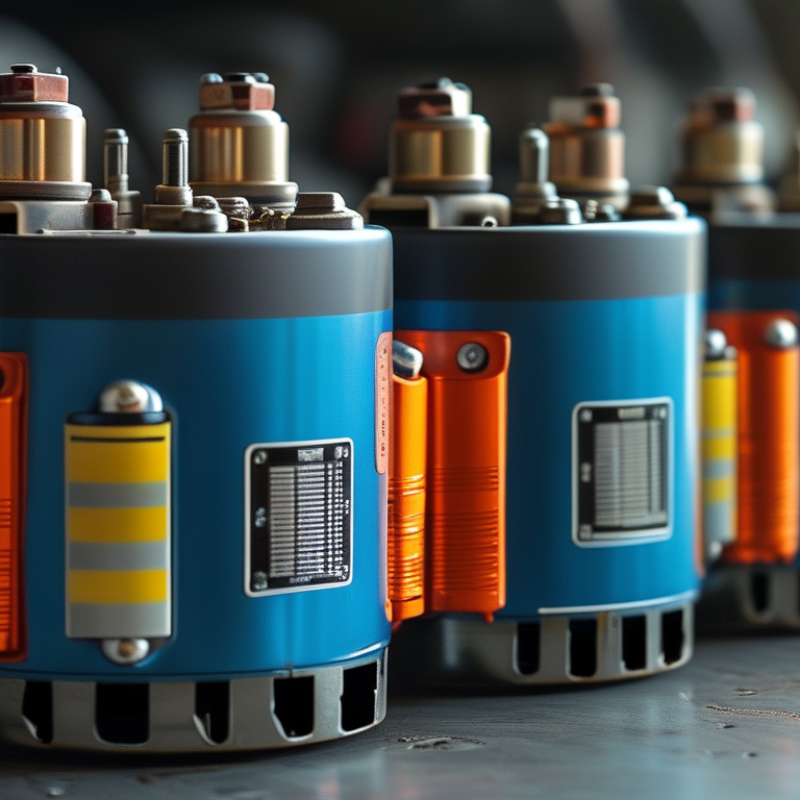
What is Automotive Capacitors and How Do They Work?
Automotive Capacitors play a crucial role in the modern automobile. These devices store electrical energy and release it when needed. They support various vehicle systems, from audio to safety features.
Understanding how Automotive Capacitors function is essential for anyone involved in automotive technology. They help stabilize voltage levels and improve efficiency. By doing so, they enhance overall vehicle performance. However, many ignore their importance, risking potential issues.
In recent years, the demand for reliable automotive components has increased. Issues with capacitors can lead to system failures. It is vital for manufacturers to ensure quality. Exploring the intricacies of Automotive Capacitors reveals both their capabilities and limitations. Balancing performance with durability remains a challenge.
What Are Automotive Capacitors?
Automotive capacitors are essential components in modern vehicles. They store electrical energy quickly and release it when needed. These components help stabilize voltage and filter signals, ensuring smooth operation of electronic systems.
According to a recent industry report, the automotive capacitor market is projected to grow at a rate of 7% annually through 2027. This growth stems from increasing electronic features in vehicles. Capacitors support functions like ignition systems and infotainment. They also play a vital role in electric vehicles (EVs), where energy management is crucial.
However, not all capacitors perform equally. Factors like temperature variations and electrical stress can affect their reliability. Some automotive engineers highlight that improper selection can lead to failures. This emphasizes the need for thorough testing and selection criteria. Ensuring the right capacitor type for specific applications is essential for optimal performance. With increasing complexity in automotive design, understanding these components is more critical than ever.
Automotive Capacitors Usage by Type
Types of Automotive Capacitors Used in Vehicles
Automotive capacitors play a crucial role in modern vehicles. They help manage power distribution and stabilize voltage levels. Several types of capacitors are commonly used in vehicles, each serving distinct purposes.
One prevalent type is the ceramic capacitor. It is known for its reliability and compact size. These capacitors typically handle high-frequency applications, like in ignition systems. Research indicates that around 30% of automotive electronic failures are linked to capacitor issues. This highlights the importance of quality and proper selection.
Another common type is the aluminum electrolytic capacitor. These are larger and are mainly used for energy storage. They handle lower frequencies and provide smooth power delivery in systems like audio amplifiers. Data shows that these capacitors can last up to 2,000 hours under extreme conditions.
However, they may struggle with heat, which can significantly reduce their lifespan.
In hybrid and electric vehicles, supercapacitors are also gaining attention. They can deliver quick bursts of energy, essential for regenerative braking systems. Yet, their high cost and size remain a challenge for widespread adoption. Each type of capacitor has its advantages and drawbacks, emphasizing the need for careful selection based on vehicle requirements.
The Role of Automotive Capacitors in Electrical Systems
Automotive capacitors are crucial components in modern vehicles, providing stability and reliability to electrical systems. They store and release electrical energy as needed, acting like buffers for voltage fluctuations. This functionality ensures that sensitive electronics, such as control units and sensors, receive a consistent power supply. A well-designed capacitor can absorb spikes in voltage, protecting components from damage and ensuring smooth operation.
In an automotive electrical system, capacitors support various functions. They assist in starting engines, powering headlights, and supporting infotainment systems. Without capacitors, these systems could experience electrical noise or interruptions. This could lead to malfunctions, which can be frustrating for drivers. However, many people may not fully understand the importance of these components. Some might overlook maintenance or rely too much on existing capacitors without considering degradation over time.
Understanding how automotive capacitors work can lead to better vehicle performance. Drivers can appreciate their role in preventing electrical issues. Capacitors, while often hidden, are like unsung heroes in car design. Regular checks of the electrical system can prevent problems related to aging capacitors. Thus, recognizing their function may promote a more proactive approach to vehicle care.
How Automotive Capacitors Function and Store Energy
Automotive capacitors play a crucial role in modern vehicles. They function by storing electrical energy and releasing it when needed. This capability improves the efficiency of electronic components, such as engines and infotainment systems. In fact, according to recent industry reports, the global market for automotive capacitors is projected to grow at a CAGR of 14.8% from 2022 to 2027.
These capacitors work through a simple yet effective mechanism. They consist of two conductive plates separated by an insulating material. When voltage is applied, an electric field forms between the plates, allowing them to store energy. The stored energy can then be discharged quickly, which is essential for high-demand applications like starting motors or powering alarms.
Despite their advantages, automotive capacitors come with challenges. Over time, capacitors can degrade, reducing their effectiveness. Factors like temperature and voltage fluctuations can impact their lifespan. Addressing these issues requires ongoing research and development. Industry experts emphasize the need for more durable materials and better designs to enhance performance in varying conditions.
Applications of Automotive Capacitors in Modern Vehicles
Automotive capacitors play a crucial role in modern vehicles. These components store and release electrical energy, helping to stabilize voltage and improve the overall efficiency of the vehicle's electrical systems. Today, capacitors are used extensively in various applications within cars, including power steering, audio systems, and electronic control units.
One primary application of automotive capacitors is in power management systems. According to a recent report from MarketsandMarkets, the global automotive capacitors market is projected to reach $2.47 billion by 2025, driven by the industry's transition to electric vehicles. Capacitors help manage peak loads, ensuring that critical systems receive steady power, especially in hybrid and electric models where energy efficiency is paramount.
Braking systems also benefit significantly from capacitors. Electric and hybrid vehicles use capacitors to ensure rapid energy discharge and recharge. This is vital for regenerative braking systems, which require immediate energy access to maximize efficiency. While the integration of these components is beneficial, the rapid evolution of technology can sometimes lead to inconsistencies in performance. As the industry adapts, manufacturers must address these challenges to enhance reliability and safety in automotive applications.
What is Automotive Capacitors and How Do They Work? - Applications of Automotive Capacitors in Modern Vehicles
| Dimension | Description |
| Capacitance | Measured in microfarads (μF), indicates the capacitor's ability to store charge. |
| Voltage Rating | Defines the maximum voltage the capacitor can handle before failing. |
| ESR (Equivalent Series Resistance) | A measure of the internal resistance of the capacitor, influencing efficiency. |
| Temperature Range | The operational limits of temperature for vehicle usage, ensuring reliability. |
| Lifecycle | Indicates the number of charge/discharge cycles the capacitor can endure. |
| Applications | Commonly used in electronic control units, power distribution, and energy storage. |
| Types | Includes ceramic, electrolytic, and film capacitors, each serving specific functions. |