Top 5 Benefits of Using Lcd Kiosk for Your Business?
In today's fast-paced business landscape, the use of Lcd Kiosk technology has gained significant traction. According to a report by MarketsandMarkets, the digital signage industry is projected to reach $31.71 billion by 2026, illustrating the growing importance of tools like Lcd Kiosks. These kiosks not only enhance customer engagement but also streamline operations, driving increased revenue.
Renowned industry expert Sarah Johnson emphasizes, “Lcd Kiosks provide businesses with the flexibility to deliver tailored messages that resonate with their audience.” This adaptability is crucial as companies navigate an increasingly competitive environment. Organizations need to consider that while Lcd Kiosks offer numerous benefits, they also require ongoing content management and maintenance, a factor that should not be overlooked.
Furthermore, investing in Lcd Kiosks can lead to initial costs that may seem daunting. However, the long-term advantages—such as improved customer interaction and operational efficiency—often outweigh these challenges. Businesses must carefully weigh these aspects to maximize the potential of their Lcd Kiosks.
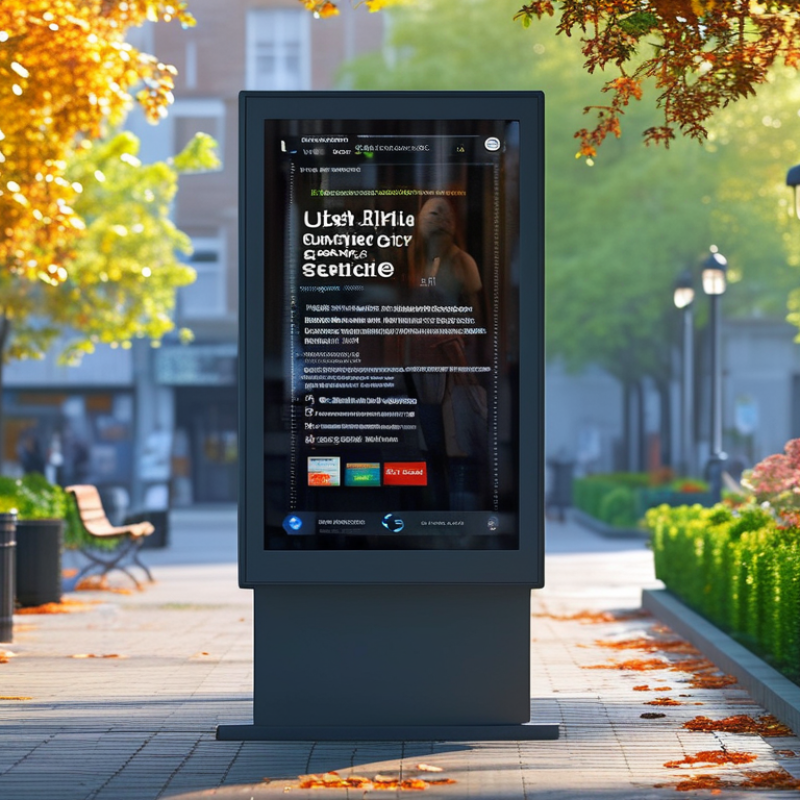
Benefits of LCD Kiosks: Enhancing Customer Engagement in Retail Spaces
LCD kiosks are revolutionizing customer engagement in retail spaces. These interactive displays attract attention and provide essential information. According to a report by the Digital Signage Federation, 70% of consumers believe that digital signs attract their attention. This means that LCD kiosks can significantly increase foot traffic and enhance brand interactions.
Retailers can use kiosks for promotions, product information, and wayfinding. A study from Nielsen found that 55% of customers are likely to make a purchase after engaging with an interactive display. This statistic shows the potential of kiosks to drive conversions. However, not all kiosks are created equal. Some may suffer from poor placement or unclear interfaces, leading to frustration. Retailers must carefully consider user experience when implementing these technologies.
Engagement is not just about sales; it includes gathering valuable customer data. LCD kiosks can collect feedback or preferences discreetly. Reports indicate that businesses using such tools see a 30% increase in customer insights. Yet, data privacy concerns can arise. It's essential for businesses to be transparent about data usage. Balancing innovation with customer trust is crucial in this digital age.
Streamlining Information Delivery: Efficiency and Accessibility for Users
LCD kiosks have transformed how businesses communicate with their customers. They provide a streamlined method for delivering information, enhancing both efficiency and accessibility. According to industry reports, companies utilizing kiosks experience a 30% increase in customer engagement. This shows how effective these tools can be in capturing attention.
Information delivery through LCD kiosks allows for real-time updates. This feature can be crucial in environments where timely data is essential. For instance, retail locations can showcase promotions or inventory changes immediately. Studies indicate that 67% of consumers find digital displays more engaging compared to traditional signage. This engagement often leads to better customer satisfaction and retention.
Despite these advantages, some challenges remain. Not all kiosks are user-friendly. When poorly designed, they can frustrate users instead of assisting them. Moreover, businesses must ensure that the content displayed is relevant and updated regularly. Statistics reveal that 54% of users abandoned a task because of outdated information. These insights highlight the need for ongoing management and refinement of kiosk content.
Cost-Effectiveness: Reducing Staffing Needs with Self-Service Solutions
In today's fast-paced world, businesses are constantly seeking ways to optimize operations. One effective solution is the adoption of LCD kiosks. These self-service terminals serve multiple purposes while significantly reducing the need for extensive staffing. By implementing kiosks, companies can streamline their processes and enhance customer experience.
Cost-effectiveness is a key aspect of utilizing LCD kiosks. With fewer employees needed for tasks such as order taking or check-ins, businesses can allocate funds more efficiently. Staffing costs can add up quickly, particularly in industries with fluctuating demand. Relying on self-service kiosks can help free up resources. However, companies must remember that while kiosks reduce labor needs, they require initial investment and ongoing maintenance.
Moreover, the integration of technology can sometimes pose challenges. Customers might struggle with navigating the kiosk interface. This may lead to frustration or slower service times during peak hours. Continuous monitoring and updating of the kiosk systems are essential. Feedback from users can provide insights on improving the interface. Balancing technology and human interaction will maximize the benefits of this approach.
Data Collection and Analytics: Leveraging Insights for Business Growth
Data collection and analytics play a crucial role in modern business strategy. With the rise of LCD kiosks, organizations can tap into a rich source of data. For instance, according to a 2022 report from Deloitte, businesses leveraging digital kiosks for data collection experience a 20% increase in customer engagement. This tech empowers companies to gather valuable customer insights, allowing them to make informed decisions.
Understanding customer preferences is vital. Analytics derived from LCD kiosks help businesses identify trends in real-time. Fast Company reported that 70% of companies using interactive kiosks for data capture saw improved customer satisfaction. This improvement can be attributed to personalized experiences and targeted marketing efforts based on the insights gathered.
However, businesses must approach data integration with caution. Not all data is actionable, and some insights may lead to misinterpretations. A Harvard Business Review study notes that 30% of business leaders struggle to translate data into impactful strategies. Encouraging employees to understand data nuances is essential for unlocking its potential. Emphasizing training can help teams better analyze data and make sound business decisions.
Improving Brand Visibility: Attracting Attention with Digital Displays
Digital displays are transforming how businesses attract attention. LCD kiosks play a significant role in enhancing brand visibility. They provide dynamic visuals that capture the eye in busy environments. Engaging content can communicate a message quickly and effectively. This instant impact can lead to increased foot traffic.
Moreover, LCD kiosks offer the flexibility to update content in real-time. Businesses can respond to trends and customer preferences without delay. This adaptability is essential in today's fast-paced market. An eye-catching display can create curiosity, drawing potential customers closer. Yet, not all content will resonate. Testing and refining visuals is key to finding what works best.
Incorporating interactive elements can also enhance user experience. Touchscreens allow customers to engage directly with the content. However, ensuring user-friendliness is critical. Complicated interfaces may frustrate users. Observing interactions can provide valuable insights. Understanding what attracts or deters visitors can refine strategies. Using data effectively can boost overall engagement with the brand.
Top 5 Benefits of Using Lcd Kiosk for Your Business
| Benefit | Description | Impact on Business |
| Improved Brand Visibility | Digital displays attract more attention compared to traditional signage. | Increased foot traffic and customer engagement. |
| Cost Efficiency | Reduced printing and maintenance costs compared to static displays. | Lower operational costs leading to better profit margins. |
| Dynamic Content | Ability to change content quickly and easily, allowing for real-time updates. | Enhanced customer experience with timely information. |
| Analytics Tracking | Collect data on viewer engagement and preferences. | Informed marketing strategies and better targeting. |
| Customer Interaction | Touchscreen kiosks allow for interactive experiences. | Improved customer satisfaction and engagement. |