WORLD electronics offers a complete line of electronic circuit board manufacturing and assembly services, as well as advanced manufacturing services. Our commitment to quality and service is second to no supplier.
Learn MoreOur team of engineers assists you in the development of new designs to optimize quality manufacturability (DFM) and testability, resulting in cost minimization and reduced product development time.
Learn MoreOur flexible manufacturing floor layout and highly trained staff allow for Quick Set-up and Tear Down of small volume prototype runs. This combination grants our customers the benefit of turning new designs quickly and accurately.
Learn MoreWORLD electronics is dedicated to quality. This quality is what underpins our commitment to thorough testing. Our engineers can develop a set of tests that ensure reliability and high performance in all products.
Learn MoreSupply chain management has crossed over from being a narrow management function to being a key operational function.
Learn MoreChoosing the right Belt Cleaner is a practical decision for mines, ports, cement plants, and bulk-material terminals. A cleaner removes carryback from the return belt. It also protects walkways, transfer points, idlers, and nearby equipment from scattered material.
Industry reports show why this equipment deserves closer attention. The International Energy Agency’s Global Critical Minerals Outlook 2024 highlights strong growth in mineral demand and expanding pressure on mining productivity. The World Bank’s Logistics Performance Index 2023 also links reliable logistics with dependable infrastructure and operational consistency. Conveyor systems sit inside that chain. A small cleaning failure can leave wet ore beneath a belt, create slippery access paths, and increase unplanned maintenance.
This guide examines 10 Best Belt Cleaners for Global Buyers. It considers cleaning performance, blade material, belt speed, tensioning design, installation space, maintenance access, and total operating cost. These details matter. A polyurethane blade may suit abrasive conditions, while tungsten-carbide options can support demanding applications. Neither choice is universally better.
Real sites are rarely perfect.
Material moisture changes. Belt splices vary. Dust controls may limit access. A product that performs well in a dry quarry may struggle with sticky clay or frozen feedstock. Buyer reviews and manufacturer claims also require careful checking. This introduction therefore follows an evidence-led approach, using established industry reports, technical specifications, and practical maintenance considerations. The goal is not to promote the most expensive cleaner. It is to identify dependable solutions for different conveyor conditions, regional supply needs, and long-term operating realities. Some recommendations may still require site trials. That is an honest limitation.
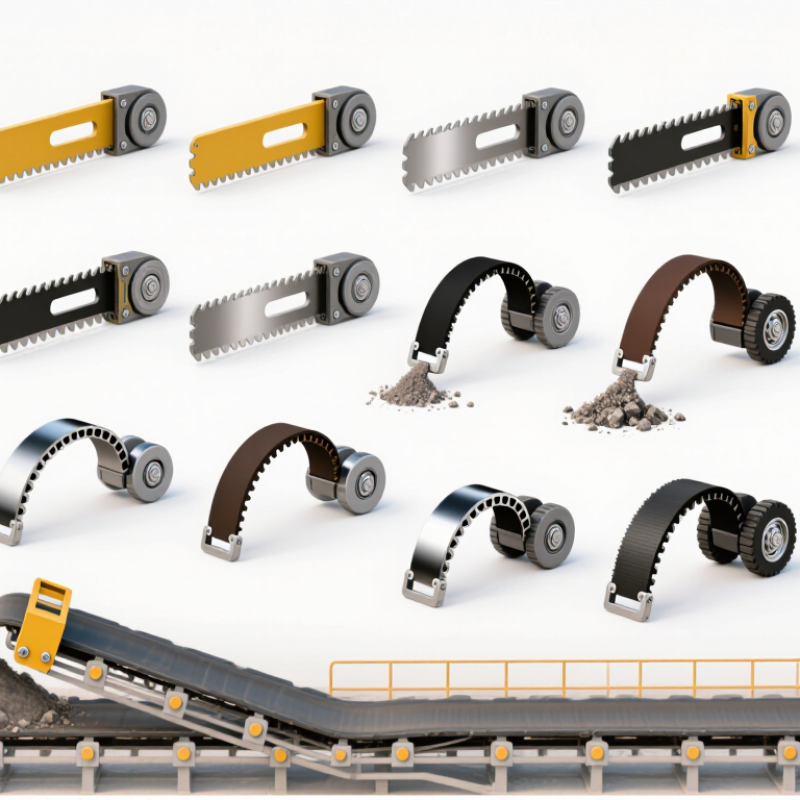
What Are Belt Cleaners and Why Do They Matter?
Belt cleaners are mechanical devices that remove carryback from the return side of a conveyor belt. Without them, wet ore, grain, or powder can fall beside the conveyor. The floor becomes slippery, dusty, and expensive to maintain. A practical belt cleaner can also reduce material loss and protect idlers from buildup. The “best” option depends on belt width, speed, material moisture, temperature, splice type, and pulley diameter. CEMA’s Belt Conveyors for Bulk Materials, 7th Edition, identifies these factors as essential selection criteria.
The safety connection is easy to underestimate. The U.S. Bureau of Labor Statistics recorded 885 fatal work injuries involving falls, slips, and trips in 2023. This figure covers many industries, not conveyors alone. Still, spilled carryback can create exactly these walking hazards. Primary cleaners remove material near the head pulley, while secondary cleaners target the remaining film. Tungsten-carbide blades suit abrasive service, but elastomer blades may better protect delicate belts. Poor tension can damage both the cleaner and the belt. I have seen a technically strong cleaner fail because installation was rushed.
Tips: Measure belt speed first. Check the splice design. Inspect cleaner pressure weekly. Keep a sample of the conveyed material. Moisture changes performance quickly. Do not choose from price alone; compare cleaning efficiency, replacement time, dust control, and local service capacity. A small test section is often more reliable than a glossy specification sheet.
A practical comparison of common conveyor-belt cleaning configurations, materials, operating ranges, and typical applications.
| Rank | Belt Cleaner Type | Cleaning Position | Typical Cleaning Element | Typical Belt Speed | Suitable Belt Width | Moisture Handling | Typical Service Interval | Best-Fit Applications |
|---|---|---|---|---|---|---|---|---|
| 1 | Tungsten-Carbide Primary Cleaner | Head pulley, primary scraping zone | Tungsten-carbide tipped blades | Up to about 5 m/s | 500–2,400 mm | Wet and sticky material | 1–6 months, duty dependent | Hard, abrasive bulk materials such as crushed stone, ore, coal, and minerals |
| 2 | Polyurethane Primary Cleaner | Head pulley, primary scraping zone | Polyurethane blades | Up to about 4 m/s | 400–2,000 mm | Wet, fine, and moderately sticky material | 2–6 months, duty dependent | Sand, gravel, fertilizer, food-grade materials, and applications where belt protection is important |
| 3 | Tungsten-Carbide Secondary Cleaner | Immediately after the head pulley | Multiple narrow carbide blades | Up to about 6 m/s | 500–2,400 mm | Dry or wet carryback | 1–4 months, duty dependent | High-cleanliness conveyor systems handling abrasive fines and residual carryback |
| 4 | Polyurethane Secondary Cleaner | Return side near the head pulley | Flexible polyurethane fingers or blades | Up to about 5 m/s | 400–2,000 mm | Moist and moderately sticky material | 2–6 months, duty dependent | General-purpose conveyors where low belt wear and simple maintenance are priorities |
| 5 | V-Plow Belt Cleaner | Return belt, before the tail pulley | Angled polyurethane or rubber plow blades | Up to about 4 m/s | 400–1,800 mm | Dry and damp material | 3–12 months, duty dependent | Protecting tail pulleys and preventing trapped rocks or lumps from damaging the belt |
| 6 | Diagonal Armored Plow | Return belt, upstream of a pulley | Angled wear-resistant polyurethane blade | Up to about 3.5 m/s | 500–1,800 mm | Dry, wet, and coarse material | 3–12 months, duty dependent | Tail-pulley protection on conveyors carrying large lumps or material with occasional tramp objects |
| 7 | Rotary Brush Cleaner | Return side after the discharge pulley | Rotating nylon or polypropylene brush | Usually 0.5–3 m/s | 300–1,500 mm | Dry, fine, and lightly damp material | 1–3 months, duty dependent | Food, packaging, agricultural, and light-duty conveying where gentle cleaning is required |
| 8 | Air-Knife Belt Cleaner | Return belt or product transfer area | High-velocity filtered air stream | Up to about 5 m/s | 300–1,500 mm | Dry dust and light particles | Weekly filter checks; low blade wear | Dry-process lines where contact wear, water, or chemical residue must be minimized |
| 9 | Water-Spray or Wash-Box Cleaner | Return belt inside a controlled cleaning enclosure | Spray bars, scrapers, and drainage system | Usually 0.5–3 m/s | 500–2,000 mm | Very wet or strongly adhering material | Daily inspection; nozzle cleaning as needed | Slurry, clay, sticky food residue, and processes with available water treatment and drainage |
| 10 | Segmented Ceramic-Composite Cleaner | Primary or secondary position at the head pulley | Ceramic-faced or ceramic-reinforced segments | Up to about 6 m/s | 600–2,400 mm | Dry and abrasive material | 2–9 months, duty dependent | High-abrasion mining and aggregate systems requiring long wear life and segmented replacement |
10 Best Belt Cleaners for Global Buyers?
How to Classify Belt Cleaners by Design and Cleaning Method
Belt cleaners are easier to compare when classified by design and cleaning method. A primary cleaner uses a scraper blade near the head pulley. It removes thick carryback before material spreads along the return side. A secondary cleaner follows behind and targets the thin film left on the belt. Tertiary units provide extra control where sticky or fine materials create persistent buildup. Position matters.
Design also separates belt cleaners into several practical groups. Blade cleaners suit heavy deposits and simple maintenance. Brush cleaners work well with ribbed belts, but their bristles may wear quickly under abrasive materials. Plows protect the return path by pushing loose material away from the belt. Air knives remove light dust without physical contact, although they require reliable air pressure and effective dust control.
The cleaning method may be dry scraping, brushing, air cleaning, or water-assisted washing. Dry systems usually reduce infrastructure and wastewater concerns. Water can improve results with sticky materials, but it adds drainage, freezing, and treatment requirements. Buyer decisions should include belt speed, width, splice type, material moisture, temperature, and allowable pressure. Field inspections help more than catalog ratings. Check blade wear weekly at first. Small gaps matter.
No classification is perfect. A blade that performs well on wet clay may struggle with hot, abrasive ore. Even a well-designed cleaner can fail when alignment is ignored. Reliable selection combines test data, maintenance access, and local operating conditions.
Indicative engineering suitability ratings from 1 (limited suitability) to 5 (high suitability). The ratings reflect common design characteristics rather than brand or market-share data.
Primary scrapers are commonly installed near the head pulley for initial carryback removal, while secondary scrapers improve fine-particle cleaning. Rotary brushes are effective on dry and fine materials, and diagonal or V-plows are mainly used to protect the return belt from misplaced bulk material. Actual performance depends on belt speed, material moisture, temperature, belt surface, and installation quality.
10 Best Belt Cleaners for Global Buyers?
Key Features to Compare Before Choosing a Belt Cleaner
Selecting a belt cleaner should begin with the conveyor’s real working conditions. Belt width, speed, material type, moisture, and carryback levels all affect performance. A cleaner that works well with dry limestone may struggle with sticky clay. Fit matters. Check blade pressure, mounting space, and compatibility with mechanical belt splices. Incorrect pressure can damage the belt edge or create uneven wear.
Blade material deserves close attention. Polyurethane suits many general applications, while harder materials may handle abrasive residue more effectively. However, stronger is not always better. The cleaner should remove carryback without cutting the belt surface. Adjustable tensioning systems can maintain contact as the blade wears. Automatic tensioning may reduce inspections, but simple designs are often easier to repair in remote locations. Water changes everything. Wet residue may require a different cleaning angle or a secondary cleaner.
Global buyers should also compare maintenance access, replacement-part availability, corrosion resistance, and operating temperature. Ask for test data from conditions similar to your site, not only laboratory results. I have seen promising equipment underperform because the chute design was ignored. That mistake is easy to repeat. Review noise, guarding, installation time, and worker access before purchase. Keep records. A short field trial can reveal build-up patterns, blade life, and cleaning consistency more honestly than a sales specification.
Global buyers should compare belt cleaners by material, belt speed, moisture, and maintenance access. Grand View Research’s 2024 conveyor belt market assessment valued the sector at more than USD 4 billion, reflecting continuing investment in bulk-material handling. That scale makes cleaner selection a reliability decision, not a minor accessory choice.
The ten leading options cover different operating conditions.
Primary tungsten-carbide scrapers suit heavy, abrasive carryback. Polyurethane primary cleaners are gentler on softer belts.
Secondary cleaners remove thin residue near the discharge pulley. V-plows protect return-side belts from trapped rocks.
Diagonal plows work well on reversing conveyors. Rotary brushes help with fine, dry material.
Air knives reduce contact and wear. Water-assisted cleaners support sticky materials, but they increase runoff and corrosion risks.
Self-adjusting cleaners reduce manual inspection. Ceramic-faced cleaners offer long wear life under severe abrasion.
The U.S. Mine Safety and Health Administration repeatedly identifies conveyor maintenance and guarding as important safety concerns in mining operations. Cleaner performance therefore depends on inspection, not purchase price alone. Buyers should request wear-life records, belt compatibility data, temperature limits, and cleaning efficiency under real loads. A cleaner that performs in a laboratory may struggle with frozen fines or wet clay.
That is the uncomfortable part. Many product comparisons still rely on ideal conditions. Trial installation, measured carryback, and weekly visual checks provide more trustworthy evidence.
Selecting a belt cleaner starts with the material, not the catalog photograph. Record belt width, speed, temperature, moisture, carryback, and spillage points. CEMA’s Belt Conveyors for Bulk Materials, 7th edition, stresses matching cleaner pressure and blade geometry to belt construction. A tungsten-carbide blade may suit abrasive ore, while softer material can damage a fragile belt. The wrong choice creates heat, noise, and premature wear.
Installation needs careful alignment. Mount the primary cleaner close to the discharge pulley, leaving enough access for inspection. Set contact pressure gradually; excessive force wastes power and can score the belt. I once fitted a cleaner too tightly. It removed carryback well, but the belt edge began fraying within weeks. That mistake still matters. Measure the gap after startup, then recheck it under loaded conditions. Small changes can reveal large problems.
Maintenance should be scheduled around operating evidence. Inspect blades, fasteners, tensioners, and mounting brackets at least weekly in severe service. The International Labour Organization estimated 2.93 million work-related deaths and 395 million non-fatal injuries annually in its 2023 global safety estimates. Lockout procedures and guarded access are therefore essential, not optional. Keep a simple log with inspection dates, belt condition, material changes, and replacement intervals.
A clean belt is useful. A predictable system is better.