How to Choose the Best Waterproof Micro Switch for Your Needs?
Choosing the right waterproof micro switch is crucial for various applications. The industry has seen significant growth, driven by demand in sectors such as automotive, marine, and industrial automation. According to a report by MarketsandMarkets, the waterproof switch market is expected to reach $2.1 billion by 2025, reflecting a compound annual growth rate (CAGR) of 5.1%.
Expert David Johnson, a renowned electrical engineer in the field, emphasizes, "Selecting the right micro switch can significantly affect the performance and longevity of your devices." Understanding your specific requirements is essential. Factors like environmental exposure, operating voltage, and current capacity should guide your decision.
Not all waterproof micro switches perform equally well under harsh conditions. Some may resist water but not chemicals, while others may have durability issues. It's vital to weigh these aspects against the conditions your application will face. Investing in quality components can prevent costly failures and downtime. Reflecting on the choices available, potential buyers should carefully consider their needs and expectations.
Understanding the Basics of Waterproof Micro Switches
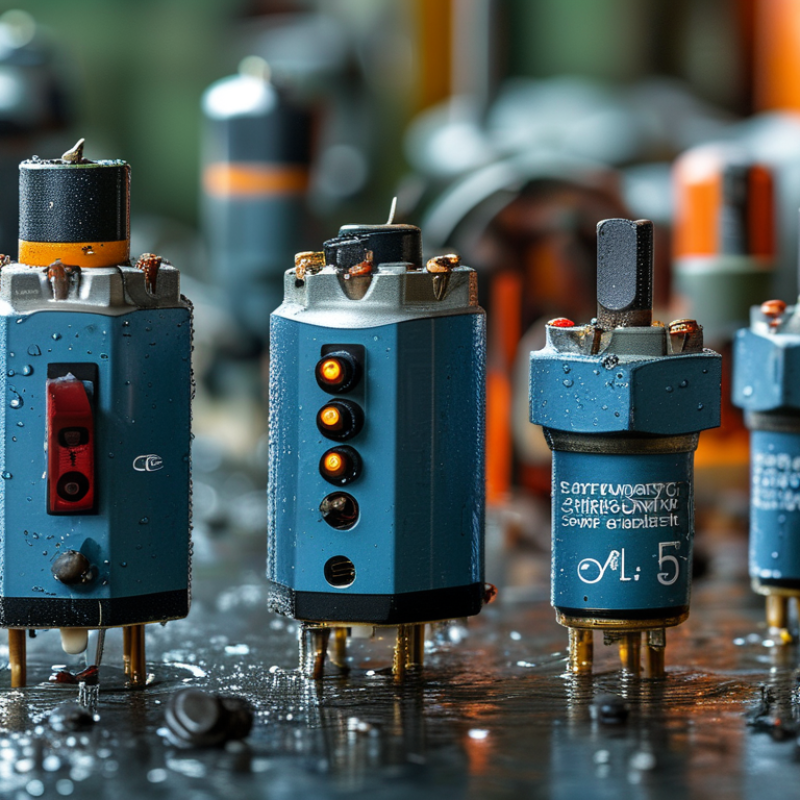
Waterproof micro switches are essential components in various applications, especially in environments exposed to moisture. Understanding their basics can help you make informed choices. These switches are designed to operate reliably even when wet. The materials used in their construction play a crucial role. Often, they are coated or sealed with special compounds to prevent water ingress.
Micro switches come in different ratings for moisture resistance. IP ratings are commonly referenced. An IP67 rating signifies protection against dust and water immersion. This level of specification is vital for outdoor installations or machinery operating in humid conditions. Not every project requires the highest level of waterproofing. Consider the environment where the switch will be used.
Installation practices can also impact the effectiveness of these switches. Improper sealing, poor choice of mounting location, or incorrect wiring can lead to water exposure. Reflecting on past experiences can guide better decisions. Always test the switch in actual conditions before full deployment. It's important to remember that even the best design has limitations. Understand your specific needs before making a purchase.
Identifying Your Specific Application Requirements
When selecting the best waterproof micro switch, understanding your specific application is crucial. Different environments demand different features. For instance, a switch used in outdoor applications needs to withstand moisture and temperature fluctuations. According to industry reports, about 70% of micro switch failures come from environmental factors. Therefore, identifying the environmental conditions is vital before making a decision.
Consider the level of ingress protection (IP rating) for your micro switch. A switch with an IP67 rating can endure dust and temporarily submerge in water. This high level of protection is essential for industrial applications. In contrast, devices used in less extreme conditions may only need an IP54 rating. Matching the switch’s specifications to your needs will significantly enhance reliability.
Tips: Always evaluate the switch’s actuator type. Depending on your use, choose a paddle, lever, or push-button actuator. Each type interacts differently with the user’s environment. Also, consult technical data sheets, which often provide valuable insights into performance and durability. Testing your chosen switch in the intended environment before full deployment can prevent costly mistakes.
How to Choose the Best Waterproof Micro Switch for Your Needs? - Identifying Your Specific Application Requirements
| Switch Type | Operating Force (N) | IP Rating | Contact Rating (A) | Temperature Range (°C) |
| Standard Micro Switch | 2 - 5 N | IP67 | 5A at 125VAC | -20 to 85 |
| Sealed Micro Switch | 3 - 6 N | IP68 | 10A at 250VAC | -40 to 100 |
| Heavy Duty Micro Switch | 5 - 8 N | IP67 | 15A at 125VAC | -20 to 85 |
| Miniature Micro Switch | 1 - 3 N | IP67 | 2A at 125VAC | -20 to 70 |
Evaluating Key Features and Specifications of Waterproof Micro Switches
When choosing a waterproof micro switch, several key features must be evaluated. The ingress protection (IP) rating is crucial. This rating defines how well it prevents dust and water ingress. A well-rated micro switch usually has an IP67 or IP68 classification, indicating strong resistance to environmental factors. According to a report by TechScan, switches with higher IP ratings experience 40% longer operational lifespans in harsh conditions.
Another vital aspect to consider is the operating temperature range. Waterproof micro switches must withstand extreme temperatures without failing. The operating temperature typically should range from -40°C to 85°C. In environments where fluctuations are common, a switch with broader temperature tolerance will perform better. Note that selecting a switch that does not meet your temperature needs could lead to premature failure.
Tips: Always check the manufacturer’s documentation for specific environmental ratings. Testing the switch under real conditions can provide insights into its reliability. Consider projected maintenance costs; lower-quality options may save money initially but might lead to higher costs in replacements. It's wise to invest in quality, even if it seems like more upfront.
Comparing Different Brands and Models for Quality and Performance
When selecting a waterproof micro switch, examining different brands and models is crucial. Each brand may offer varying levels of quality and durability. Look for models tested under extreme conditions to assess their performance. Some switches may handle moisture well but fail in extreme temperature variations. It’s vital to read user reviews and case studies to gather realistic experiences from other users.
Consider the materials used in the construction of the switch. Corrosion-resistant materials can extend the lifespan of the switch significantly. However, not all manufacturers disclose this information clearly. You might encounter switches that claim waterproof qualities but do not perform as advertised. Hence, comparing specifications provided by brands can be a double-edged sword. Some details might seem promising but demand deeper research.
Testing these switches in real-world scenarios can unveil their true capabilities. Sometimes, a switch may look robust and reliable but falters in practical settings. Pay close attention to return policies, too. A generous return policy allows you to test the switch without financial risk. Ultimately, understanding your specific requirements will guide you in making the right choice.
Tips for Installation and Maintenance of Waterproof Micro Switches
When installing waterproof micro switches, attention to detail is crucial. Make sure to select a correct sealing method. Research suggests that improper sealing can decrease effectiveness by up to 30%. Always verify the ingress protection (IP) rating. A higher rating, such as IP67 or IP68, ensures better performance in harsh conditions.
Choose the right materials for long-lasting durability. Some switches use PBT or silicone rubber, offering better protection against moisture and dust. In fact, studies indicate that devices made of these materials have a lifespan increase of 40% in extreme environments. Regular maintenance is essential. Inspect switches for signs of wear or corrosion every few months. This proactive approach can prevent costly replacements.
When installing, ensure the orientation is suitable for water drainage. Avoid trapping water around the switch. Use grommets or seals if needed. They enhance moisture resistance and protect internal components. Neglecting installation details may lead to frequent malfunctions. Always prioritize thoroughness over speed to maximize the lifespan of a waterproof micro switch.