How to Choose the Right Miniature Circuit Breaker for Your Needs?
Choosing the right Miniature Circuit Breaker (MCB) can be daunting. A recent industry report shows that over 30% of electrical faults stem from inadequate circuit protection. MCBs play a crucial role in safeguarding electrical systems. Their ability to interrupt current quickly protects wiring and appliances from overloads and short circuits.
When selecting an MCB, it is essential to understand your specific needs. This includes assessing the load current and potential fault levels. The diversity in applications, from residential to industrial, requires different MCB specifications. Interestingly, many users overlook the importance of compatibility with existing systems. A mismatch can lead to inefficiency and increased risk.
With the global market for MCBs projected to reach $1.8 billion by 2027, careful selection is more critical than ever. Yet, many still struggle with understanding ratings and types. This reflects a broader issue in electrical safety awareness. Proper choice not only enhances performance but ensures safety and longevity for electrical installations. Taking the time to evaluate your unique situation could prevent costly mistakes.
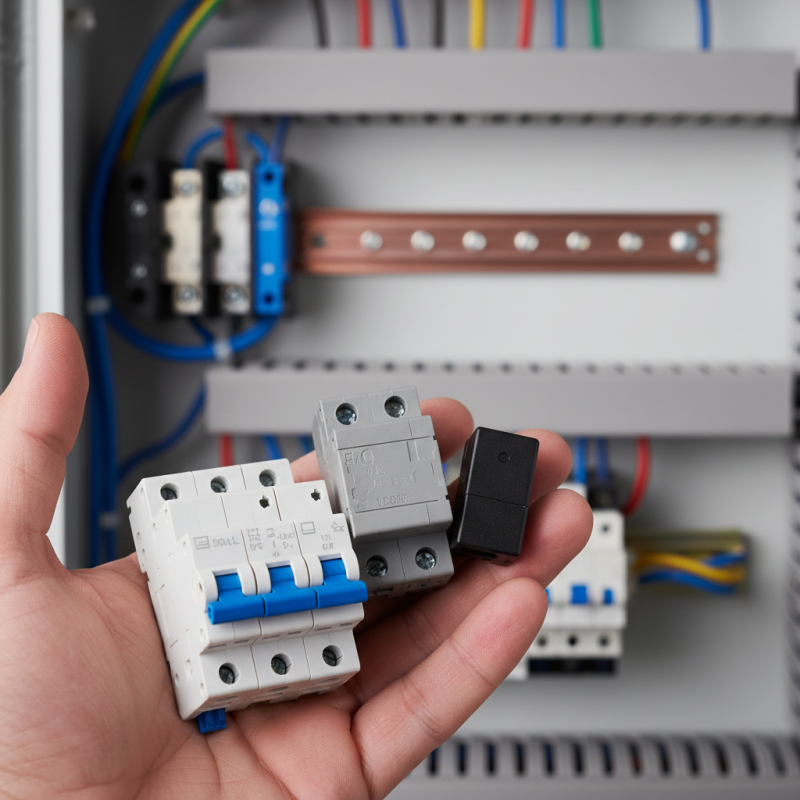
Understanding the Basics of Miniature Circuit Breakers
When selecting a miniature circuit breaker (MCB), it's essential to understand its fundamentals. An MCB safeguards electrical circuits from overloads and short circuits. It disconnects power automatically when current exceeds a preset limit. This feature is crucial in preventing equipment damage and avoiding fire hazards.
MCBs come in various ratings and specifications. A key aspect to consider is the current rating. This value indicates the maximum current the MCB can handle without tripping. If your circuit draws more current than this rating, the MCB will trip. Choosing the right value is challenging. Too high, and you risk damaging connected devices; too low, and it may trip unnecessarily.
Understanding the different characteristics of MCBs is equally important. Some MCBs are designed for specific applications, like residential or industrial use. They can also vary in tripping characteristics, known as types. Choosing the wrong type might lead to frequent tripping or insufficient protection for your equipment. It's essential to consider the specific needs of your application carefully. Reflecting on these factors can lead to improved safety and reliability in your electrical systems.
How to Choose the Right Miniature Circuit Breaker for Your Needs?
| Specification | Details |
| Rated Current | 6A, 10A, 16A, 20A, 25A, 32A, 40A, 63A |
| Voltage Rating | 230V AC, 400V AC |
| Breaking Capacity | 6 kA, 10 kA, 15 kA |
| Poles | 1 Pole, 2 Poles, 3 Poles, 4 Poles |
| Type | Type B, Type C, Type D |
| Temperature Rating | -5°C to +40°C |
| Standards Compliance | IEC 60898, IEC 60947 |
| Applications | Residential, Commercial, Industrial |
Identifying Your Electrical Load Requirements
Choosing the right miniature circuit breaker (MCB) starts with understanding your electrical load requirements. It's essential to know what devices you will be using. Each device draws a certain amount of current. For example, a refrigerator may require more current than a simple light bulb. Accurately assessing your needs can prevent overloading.
You can start by adding the wattage of all your appliances. If you plan to run several devices simultaneously, consider their combined wattage. This figure helps you estimate your total current requirement. Remember, it’s common for people to miscalculate. They may overlook devices that are only used occasionally, leading to unexpected trips.
Pay attention to your usage patterns too. Some devices consume more power when they start. Motors, like those in air conditioners, have a high inrush current. It may be wise to choose an MCB that can handle these spikes. Reflect on your lifestyle and adjust your planning as needed. It’s a learning process, and mistakes can happen along the way, but awareness is the first step to improvement.
Assessing the Type of Electrical Installation
Choosing the right miniature circuit breaker (MCB) begins with understanding your electrical installation type. Different settings have unique requirements. Residential spaces typically need protection for lighting and general-purpose circuits. Commercial installations often have higher demands due to heavy machinery.
When assessing your installation, consider the load and devices used. An overloaded circuit can lead to frequent tripping. Take time to calculate total wattage. Remember, an MCB should be rated slightly above the total load. It's not always easy to make these calculations, especially in complex setups. Sometimes, a simple room may have hidden loads, creating confusion.
Don't overlook the importance of surge protection. This is crucial in areas with unstable power supply. Implementing MCBs without surge features may put electronics at risk. Each installation must be evaluated on its own. Reflect on your needs carefully. This reflection helps avoid potential over-specification or misjudgment in future installations.
Evaluating Circuit Breaker Features and Specifications
When selecting a miniature circuit breaker (MCB), understanding its features and specifications is crucial. Key specifications include tripping current, voltage rating, and breaking capacity. These factors all contribute to the effectiveness of an MCB in protecting electrical circuits. Research shows that the global MCB market is projected to grow at a steady rate of 5.2% annually, indicating the increasing demand for reliable circuit protection.
Tips: Always assess your electrical load requirements before purchasing. This ensures you select an MCB with appropriate ratings. Checking for compliance with international standards can prevent safety issues.
Another important feature is the type of tripping mechanism. MCBs typically fall into three categories: Type B, Type C, and Type D. Each type responds differently to overloads and short circuits. Type B is suitable for domestic appliances, while Type C is ideal for commercial applications. Interestingly, many technicians overlook the importance of understanding these types, leading to potential failures.
Tips: Consider installation environments. High humidity or dust can affect MCB performance. Ensure the casing and design fit your specific conditions.
Making the Final Decision: Installation and Compliance Considerations
When considering the installation of miniature circuit breakers (MCBs), several compliance factors warrant attention. First, it is crucial to adhere to local and national electrical codes. Non-compliance can lead to safety hazards. According to a report by the Electric Safety Authority, over 30% of electrical malfunctions stem from improper installations due to negligence or a lack of knowledge about MCB specifications.
Installers must ensure that MCB ratings match the load they will protect. Selecting a breaker rated too low can result in nuisance tripping. Conversely, a rating too high may fail to protect adequately. Data from industry studies show that 20% of MCBs installed do not match the required specifications, often leading to unexpected failures.
Moreover, the physical installation environment is vital. Consider factors like ambient temperature and possible exposure to moisture. A 2019 report indicated that roughly 15% of MCB failures occurred in humid conditions due to insufficient protective features. Reflecting on these issues can help prevent costly errors. Attention to detail in installation processes is often overlooked but is essential for long-term reliability.