How to Choose the Best Consumer Electronics Cable for Your Needs?
In today's technology-driven world, selecting the right Consumer Electronics Cable can be a daunting task. The market is flooded with options, each claiming to be the best. However, not all cables are created equal. A poorly chosen cable can hamper device performance or lead to connectivity issues. It’s crucial to make informed decisions backed by industry expertise.
When considering a Consumer Electronics Cable, several factors come into play. These include cable type, length, and compatibility with your devices. For instance, HDMI, USB, and optical cables serve different purposes. Knowing the specifics of what you need is essential. Even minor details, such as cable shielding, can significantly influence signal quality.
Consumers often overlook the importance of these cables until problems arise. This can lead to frustration and regret. Therefore, understanding how to select the best cables tailored to your needs will enhance your overall electronic experience. A little research can save you from costly mistakes down the line.
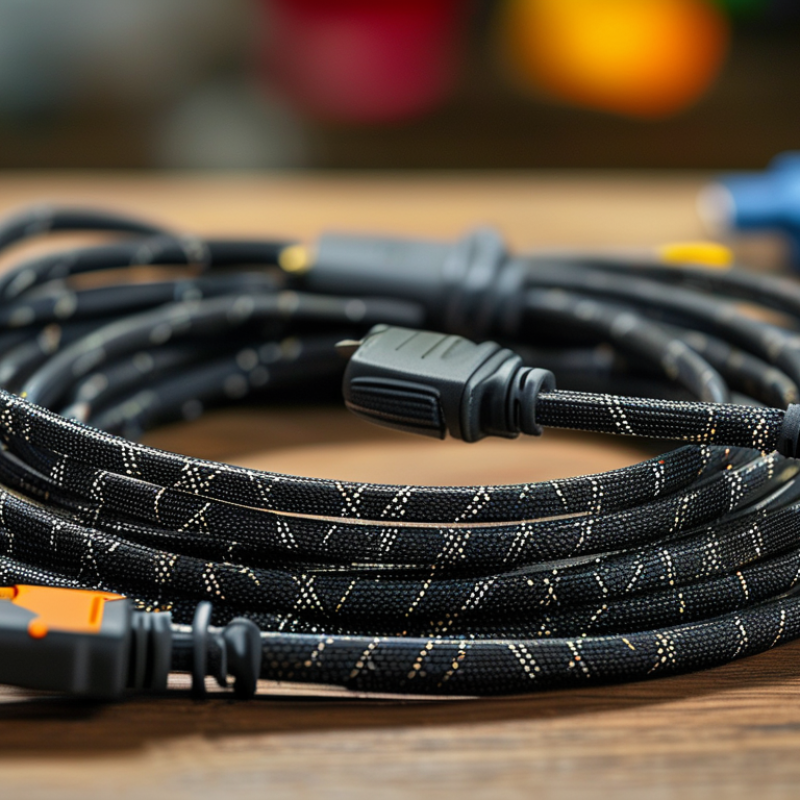
Understanding Different Types of Consumer Electronics Cables
When choosing consumer electronics cables, understanding the different types is essential. There are various cables like HDMI, USB, and Ethernet, each serving specific purposes. HDMI cables transmit high-definition video and audio, making them ideal for televisions and gaming consoles. USB cables are versatile and used for charging and data transfer between devices. Ethernet cables connect devices to networks, ensuring stable internet connections.
Not all cables are created equal. Some may not fit your needs or deliver the expected performance. For example, a low-quality HDMI cable might lead to pixelated images or sound issues. It’s crucial to consider the length of the cable as well. Longer cables may result in signal degradation if not of good quality.
Reflect on your specific requirements. If you frequently transfer large files, a high-speed USB cable is a must. However, if you watch movies often, investing in a certified HDMI cable is wiser. Your choice can heavily impact your overall experience, so take the time to select wisely.
Identifying Your Specific Device Requirements and Compatibility
When selecting the best consumer electronics cable, it's crucial to identify your specific device requirements and compatibility. Different devices often need different types of cables. For instance, HDMI cables connect displays to video sources. USB cables, on the other hand, are used for data transfer and charging. Always check your device manual to understand which cable is necessary.
Tips: Always verify the specifications. A mismatch can lead to poor performance. Many users overlook this step, only to face frustrating issues later. Ensure the cable supports the resolutions and speeds required by your device.
Consider the materials and construction of the cable. Some cables are built to last, while others may break or fail under pressure. Look for cables with robust connectors and shielding. They offer better durability and signal quality. A poor choice can lead to signal degradation, impacting your experience.
Tips: Don’t underestimate the importance of length. A short cable may limit your setup options. Yet, longer cables can introduce interference. Finding a balance is key. Reflect on your wiring needs before making a purchase.
Evaluating Cable Specifications: Length, Speed, and Quality
When choosing consumer electronics cables, understanding cable specifications is crucial. Factors such as length, speed, and quality directly influence performance and usability. For instance, a study from the International Electronics Commission notes that the optimal length for HDMI cables is up to 15 meters for lossless transmission. Beyond this length, signal degradation can occur, leading to reduced picture and audio quality.
Speed is another vital factor. Data transfer rates can vary widely. For USB 3.0 cables, the maximum speed peaks at 5 Gbps, while USB 3.1 extends this to 10 Gbps. Such differences can significantly affect how quickly files transfer between devices. Interestingly, many consumers overlook the impact of cable quality. Poorly manufactured cables can lead to inconsistent performance. Reports have shown that lower-quality cables tend to fail testing standards, leading to potential data corruption.
Choosing the right cable isn't just a matter of picking one off the shelf. Each specification warrants careful evaluation. Length affects your setup versatility, speed impacts efficiency, and quality ensures longevity. Knowing these factors can be overwhelming. Reflecting on personal needs is essential. Are you using cables for casual use or high-performance tasks? Understanding these specifications can enhance your consumer electronics experience significantly.
Considering Material and Build Quality for Durability
When selecting consumer electronics cables, material and build quality significantly influence durability. Different materials offer various advantages. Copper is known for excellent conductivity, while fiber optics provide high-speed data transfer. However, cheaper materials may compromise performance over time. Choosing wisely means considering long-term use.
Invest in cables with robust construction. Look for reinforced connectors and high-quality insulation. A well-constructed cable withstands daily wear and tear better than a flimsy option. Pay attention to the strain relief at the connectors. It prevents fraying, extending the cable's lifespan.
Tips: Always check user reviews. They reveal real-world experiences with durability. Also, think about your usage environment. For instance, a cable exposed to sunlight or moisture needs better shielding. These practical considerations ensure your choice remains reliable and effective for years.
How to Choose the Best Consumer Electronics Cable for Your Needs
| Cable Type | Material | Build Quality | Durability Rating | Price Range |
| HDMI Cable | Copper | High | 9/10 | $10 - $50 |
| USB-C Cable | Aluminum & Copper | Medium | 8/10 | $8 - $40 |
| Optical Cable | Plastic Fiber | High | 9/10 | $15 - $60 |
| 3.5mm Audio Cable | Copper | Low | 7/10 | $5 - $30 |
| Ethernet Cable | Copper | Medium | 8/10 | $10 - $25 |
Pricing and Brand Reputation: Making an Informed Decision
When choosing the right consumer electronics cable, pricing and brand reputation are key factors. Research shows that the average consumer often overpays for cables due to brand loyalty. According to a recent industry report, 35% of consumers select products based solely on brand familiarity. This can lead to spending significantly more for similar quality. Understanding that price does not always correlate with performance can save money in the long run.
Brand reputation also plays a crucial role in consumer decision-making. Many buyers assume that well-known brands offer superior quality, but this isn't always true. A consumer electronics survey found that only 55% of users report satisfaction with the top-tier brands. In contrast, lesser-known labels sometimes offer comparable quality at a fraction of the price. However, relying on lesser-known brands demands a keen eye for reviews and third-party testing.
Price variations in cables can be stark, with some costing over $40 and others under $10 for similar specifications. Collecting feedback through social media or tech forums can provide insights into product reliability. But not all reviews reflect genuine experiences. Consumers should remain cautious and perform their due diligence. A balance between price, quality, and brand assessment is essential for making the right choice.