How to Choose the Right Photovoltaic Connectors for Your Solar System?
Selecting the right Photovoltaic connectors is essential for any solar system's efficiency and durability. According to the Solar Energy Industries Association (SEIA), solar capacity in the U.S. has grown by over 167 gigawatts, highlighting the increasing reliance on solar power. However, improper connector choices can lead to significant energy loss and safety concerns.
Photovoltaic connectors, often overlooked, play a crucial role in this landscape. They must withstand environmental factors such as moisture and temperature fluctuations. A recent study showed that over 30% of solar system failures are attributed to poor connector performance. This statistic emphasizes the need for careful selection in connector types and materials.
While some may opt for cheaper options, this often leads to issues down the line. Cost-cutting measures can result in compromised connections and increased maintenance. Investing in high-quality photovoltaic connectors is not just smart; it’s necessary. As the solar industry evolves, staying informed about connector technology becomes vital for system longevity and efficiency. Each choice impacts overall performance and reliability.
Understanding the Basics of Photovoltaic Connectors in Solar Systems
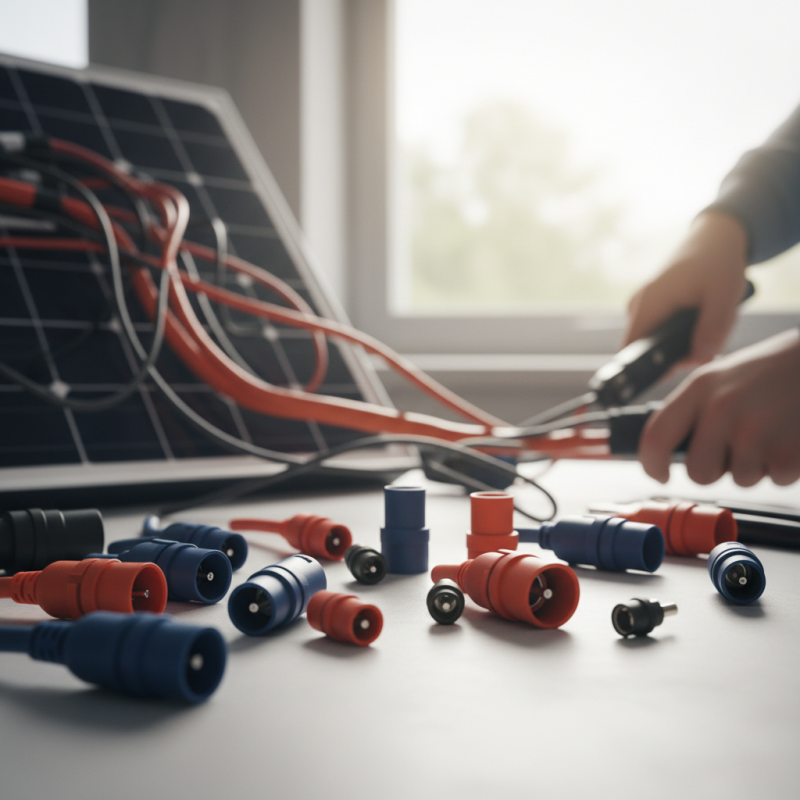
When setting up a solar system, understanding photovoltaic (PV) connectors is essential. These connectors link solar panels to inverters and batteries. They ensure optimal energy transfer. Different types exist: MC4 connectors are the most common. They lock securely and are weather-resistant, making them reliable.
Choosing the right connectors can make a difference. It’s important to match connectors with your system’s voltage and current. If you're unsure, consult a professional. For those in diverse climates, temperature ratings matter. Excess heat can impact performance.
Tips: Keep connectors clean and dry. Regularly inspect for wear and tear. Consider replacements if connections seem loose.
Remember, even small mistakes in connector choice can lead to inefficiencies. It’s worth investing time in research. A reliable connection can enhance overall system performance.
Identifying Key Features of Photovoltaic Connectors
When selecting photovoltaic connectors for your solar system, it's essential to focus on specific features. One crucial aspect is the connector's waterproof rating. Look for connectors designed to withstand exposure to rain and dust. This ensures longevity and reliability in outdoor conditions. A higher IP rating is often better.
Another key feature is the temperature range. Photovoltaic connectors should perform well in extreme temperatures. For instance, some connectors function well from -40°C to 90°C. This range is important for areas with fluctuating climates.
Compatibility is also a factor. Not all connectors work with all panels. Check specifications carefully. Improper connections can lead to inefficiencies and could damage your system. While the market offers many options, many often overlook these details. Taking the time to analyze these features can save headaches later.
How to Choose the Right Photovoltaic Connectors for Your Solar System? - Identifying Key Features of Photovoltaic Connectors
| Feature | Description | Importance |
| Compatibility | Ensure connectors are compatible with your solar panels and inverters. | Critical for system performance |
| Current Rating | Choose connectors that can handle the maximum current of your solar system. | Essential for preventing overheating |
| Temperature Rating | Select connectors that can withstand the temperature conditions of your installation site. | Important for long-term reliability |
| IP Rating | Look for connectors with a high ingress protection (IP) rating to resist dust and water. | Critical for outdoor installations |
| Mechanical Design | Assess the locking mechanism and ease of installation. | Affects installation and maintenance ease |
| Durability | Check the materials used for longevity and resistance to UV and corrosion. | Important for lifecycle costs |
Evaluating Compatibility with Your Solar Panels and Inverters
When evaluating compatibility with solar panels and inverters, it’s essential to consider connector types. Each solar system has unique requirements. A study by the National Renewable Energy Laboratory indicates that over 25% of installation failures stem from improper connectors. This highlights the necessity for due diligence.
Photovoltaic connectors must match both the electrical specifications and the physical size of your components. For instance, connectors rated for at least 1000V DC are crucial for most systems. If ignored, mismatched components can lead to significant energy losses, possibly up to 15%. Additionally, the temperature ratings of connectors must align with your location’s climate. High temperatures can degrade materials over time, leading to potential fire hazards.
Reviewing connector durability is also vital. Research suggests that connectors exposed to harsh environments can fail prematurely, with failure rates reaching toward 30% in certain conditions. Compatibility with electrical ratings is not enough; you must ensure that your connectors can withstand the elements. Failure to address these aspects often results in higher maintenance costs and diminished system efficiency.
Assessing Durability and Weather Resistance of Connectors
When selecting photovoltaic connectors, durability and weather resistance are vital. Solar systems face various environmental factors: rain, snow, and extreme temperatures. Connectors must endure these conditions to ensure long-term efficiency. According to industry reports, over 30% of solar failures are due to connector issues.
Materials play a crucial role. Connectors made from high-quality polymers are essential for durability. They should resist UV exposure and temperature fluctuations. A study by the Solar Energy Industries Association highlights that connectors need to withstand temperatures ranging from -40°C to 85°C.
**Tips:** Aim for connectors with IP67 ratings. This ensures they are dust-tight and can handle immersion in water. Regular inspections can catch wear early.
Evaluate the testing standards too. Look for connectors that comply with IEC and UL standards. These certifications indicate rigorous testing. However, not all connectors are equally durable. Some cheaper options fail to meet necessary criteria.
**Tips:** Always check a connector's temperature rating. Avoid assuming all brands perform equally well. Brand loyalty can be misleading when it comes to safety.
Durability and Weather Resistance of Photovoltaic Connectors
Exploring Installation and Maintenance Considerations for Connectors
When installing photovoltaic connectors, understanding cable management is crucial. Properly securing and routing the cables can help prevent accidental damage. Loose cables may lead to corrosion over time. Make sure to use appropriate clips and ties to secure your connections.
Tips: Always double-check your connectors after installation. Look for any signs of wear or damage. Regular visual inspections can save you from costly repairs.
Maintenance is vital for connector longevity. Dust and debris can accumulate, leading to poor connections. Schedule periodic cleaning sessions to maintain optimal performance. Use a soft cloth to wipe connectors gently, avoiding harsh chemicals.
Tips: Keep an eye on the environment. Excess moisture can impact connector performance. If you see rust or discoloration, consider replacing the connectors before serious issues develop.