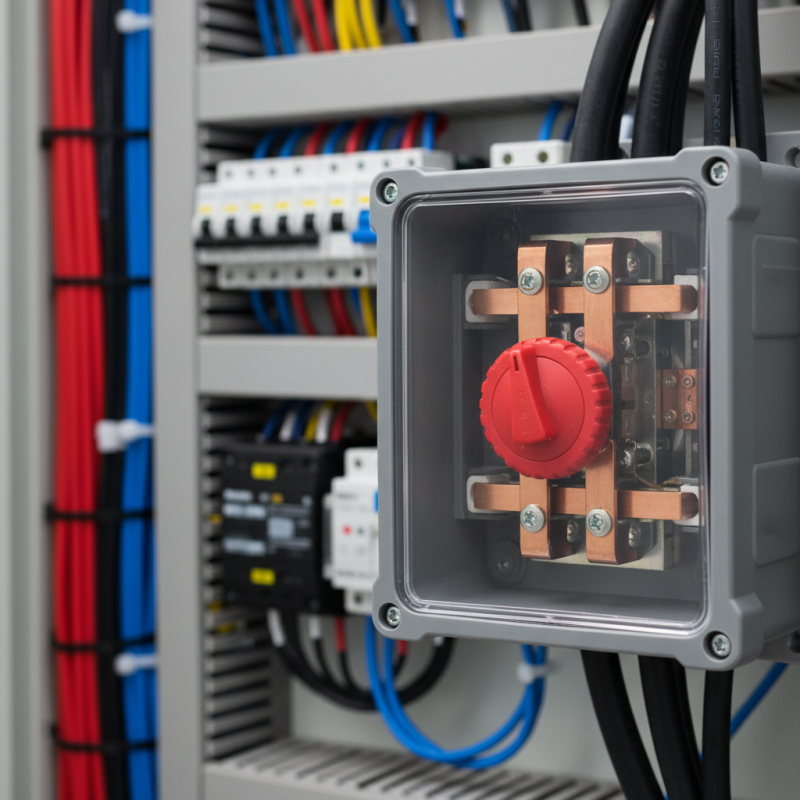
How to Choose the Right DC Isolation Switch for Your Needs?
Choosing the right DC Isolation Switch can seem daunting. With numerous options available, it’s essential to understand your specific needs. This decision impacts safety and functionality in your electrical systems.
A DC Isolation Switch plays a crucial role in protecting equipment and personnel. It allows safe disconnecting of DC circuits during maintenance or emergencies. However, not all switches are created equal. Features vary significantly between models, affecting performance and reliability.
Think about your application and environment when selecting a switch. Will it be exposed to harsh conditions? What voltage and current ratings are necessary? Each detail matters. We often overlook these specifics, leading to potential failures. Selecting a suitable DC Isolation Switch is more than just a choice; it's an opportunity to ensure safety and efficiency.
Understanding the Basics of DC Isolation Switches
DC isolation switches play a crucial role in protecting electrical systems. Understanding their basics helps in making informed choices. These switches isolate DC circuits, preventing faults and enhancing safety. They are essential components in renewable energy systems, such as solar and wind applications.
When selecting a DC isolation switch, consider the voltage and current ratings. Ensure the switch can handle the maximum load of your application. Also, examine the materials used in the switch. High-quality materials improve durability and performance. Look for features such as manual operation and visible status indicators.
Tip: Always review the manufacturer’s specifications. It helps in selecting a switch that meets your requirements.
Next, consider the installation requirements. Some switches are easier to install than others. Pay attention to the physical size and mounting options. A well-chosen switch will facilitate easy access for maintenance.
Tip: Seek advice from professionals if unsure which switch to choose. It ensures you avoid mistakes that could lead to safety issues.
How to Choose the Right DC Isolation Switch for Your Needs? - Understanding the Basics of DC Isolation Switches
| Feature | Description | Considerations |
| Voltage Rating | The maximum voltage the switch can handle. | Ensure it matches or exceeds your system voltage. |
| Current Rating | The maximum current the switch can carry. | Consider your load requirements to avoid overheating. |
| Mounting Type | Indicates how the switch is installed (e.g., panel mount, din rail). | Choose a type that fits your installation space. |
| Number of Poles | Refers to the number of circuits the switch can control. | Select according to the circuits you need to isolate. |
| Safety Features | Includes features like lockable handles or visual indicators. | Consider features that enhance safety during operation. |
| Material | Material used can affect durability and weather resistance. | Select materials suited for your environment (e.g. corrosion-resistant). |
Key Considerations for Selecting a DC Isolation Switch
Choosing the right DC isolation switch is crucial for your application. Begin by considering the voltage and current ratings. These ratings must match your system's requirements. Check the manufacturer specifications carefully. Sometimes, a mismatch can lead to failures or safety issues.
Next, think about the environment where the switch will be used. Is it outdoors or indoors? Exposure to dust, moisture, or extreme temperatures can affect performance. Select a switch with appropriate IP ratings for added protection. Occasionally, users overlook this factor, resulting in unexpected malfunctions.
Another point to ponder is the ease of installation and maintenance. A complicated installation can lead to errors. You may end up needing extra tools or expertise. Also, consider the switch's lifespan and reliability. Will it require frequent replacements? These aspects can add unexpected costs over time. Reflect on these considerations for a better long-term solution.
DC Isolation Switch Selection Comparison
This bar chart compares different DC isolation switches based on their current and voltage ratings, providing insights into key considerations for selecting the right switch for your needs.
Types of DC Isolation Switches and Their Applications
When selecting a DC isolation switch, understanding the types available is crucial. There are mainly two categories: manual switches and automatic switches. Manual switches require physical operation. They are straightforward and cost-effective. However, using them can be cumbersome in high-frequency applications. Meanwhile, automatic switches offer remote operation capabilities. They enhance convenience but tend to be pricier. Each type has distinct advantages depending on your specific requirements.
Consider the applications of these switches. In solar energy systems, for instance, the right isolation switch ensures safe disconnection. It protects equipment and personnel during maintenance. In electric vehicles, rapid switching is essential. This ensures safety during faults. However, the complexity in these environments can make choosing the right switch challenging. Always assess the environment where the switch will operate. High humidity or dust can impact performance. In situations like this, reflect on the trade-offs between cost and functionality.
Evaluating Specifications and Ratings for Your Needs
When selecting a DC isolation switch, evaluating specifications and ratings is crucial. The National Electrical Manufacturers Association (NEMA) provides guidelines for understanding voltage and current ratings. A switch rated for at least 600V and 40A is typical for many applications. This ensures safety and efficiency under various operating conditions.
Thermal management is also vital in the design of isolation switches. As reported by the Institute of Electrical and Electronics Engineers (IEEE), temperature rise can reduce the lifespan of components. Thus, switches that can handle high ambient temperatures should be prioritized. Additionally, a switch with a protective enclosure can enhance durability against environmental factors.
Many users overlook the importance of the switch's contact materials. Materials such as silver and copper can resist corrosion and maintain conductivity. Corrosion can lead to unexpected failures or increased resistance, which may compromise system performance. Regular maintenance and testing of switches can highlight potential issues early. This proactive approach is often missing but is essential for operational reliability.
Best Practices for Installation and Maintenance of DC Isolation Switches
When installing a DC isolation switch, placement is crucial. Ensure it’s easily accessible for operation and adjustments. The area should be dry and well-ventilated. Consider any potential hazards nearby, like water or excessive heat. Regularly inspect the switch for wear and tear. Check for corrosion or loose connections. These can lead to malfunction and safety issues over time.
Maintenance is essential for longevity. Clean the switch regularly. Dust and grime can impact performance. If you notice any unusual sounds or overheating, address the issue immediately. Keep an eye on the operating temperature. Running at high temperatures can reduce the lifespan of the switch. Be mindful of the environment it’s in. Rough conditions can accelerate deterioration, and that’s worth reflecting on.
Lastly, always refer to the installation manual for guidance. Mistakes happen, and oversights can be costly. Ensure that all connections are secure. Remember that a small error can lead to failure. Take time to verify each step. It’s better to be thorough than to rush through the process.