How to Choose the Right Isolation Switch for Your Needs?
Choosing the right Isolation Switch is crucial for ensuring safety and efficiency in electrical systems. An Isolation Switch serves as a vital component to disconnect circuits during maintenance or emergencies. Selecting the appropriate type can prevent hazardous situations and equipment damage.
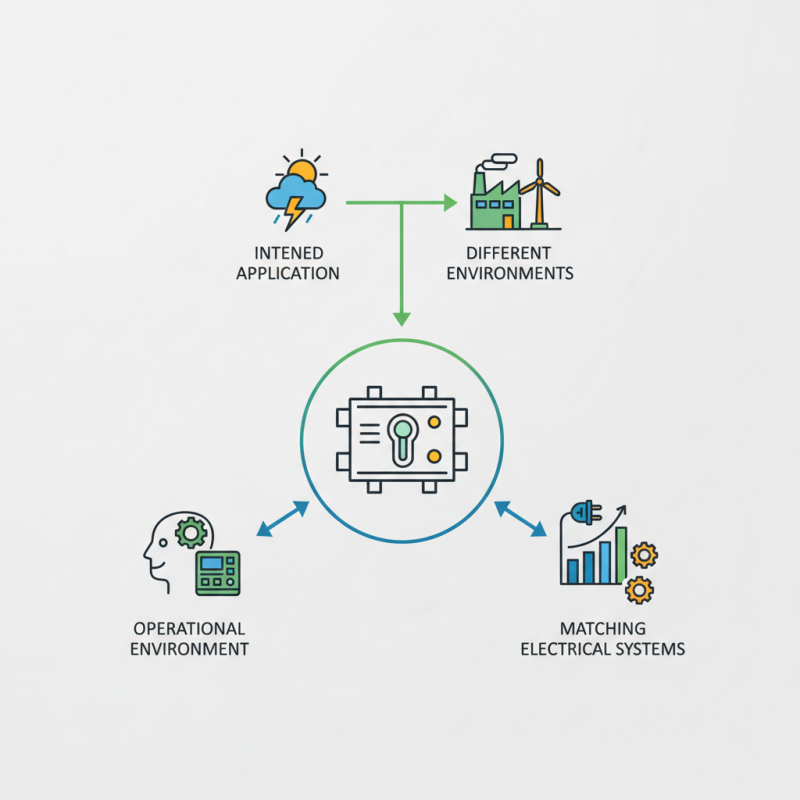
Many factors influence the decision-making process. The intended application plays a significant role. Different environments require specific switches. For instance, a switch used outdoors must withstand weather conditions. The load capacity of the switch is equally important. It should match the electrical systems it serves. Underestimating these factors can lead to inefficient performance.
It is not just about specifications. Understanding the operational environment is key. Some may overlook the importance of user-friendliness. Complicated designs can cause operational errors. Reflecting on these aspects can ensure you choose wisely. An effective Isolation Switch meets needs without excess complexity.
Understanding the Purpose of Isolation Switches in Electrical Systems
Isolation switches play a crucial role in electrical systems. They ensure safety by disconnecting power during maintenance. According to a study by the International Electrotechnical Commission, nearly 20% of electrical accidents occur during maintenance activities. This makes isolation switches essential for protecting personnel.
When choosing an isolation switch, consider its voltage and current ratings. The right match ensures reliable operation and minimizes risks. A report from the National Electrical Safety Foundation states that improper specifications can lead to equipment failures and increased downtime. It’s vital to assess your specific needs carefully; oversizing or undersizing can have serious consequences.
Additionally, think about the environment in which the switch will operate. Dust, moisture, and temperature can all affect performance. A study revealed that about 15% of equipment failures stem from environmental factors. This highlights the need for switches suitable for your conditions to prevent unexpected downtimes or accidents.
Identifying the Key Specifications for Your Isolation Switch Selection
When selecting an isolation switch, it’s crucial to understand the key specifications that meet your specific needs. Voltage rating is vital; it determines the switch's operating capacity. Ensure it matches your system's voltage requirements. Additionally, consider the current rating. This indicates how much current the switch can handle without overheating. If the current exceeds this limit, it can lead to failure.
Another important factor is the isolation rating. This specification indicates the switch's ability to provide a safe separation between circuits. High isolation ratings help prevent potential electrical hazards. Flipping a switch should not expose you to risk. Also, think about the switch type. Manual switches offer user control, while automatic options provide convenience.
Don’t overlook the material of the switch. The choice between plastic and metal impacts durability and usage environments. Weatherproof designs may be necessary for outdoor applications. Lastly, reflect on your installation space. Compact switches can be important in tight areas. Make sure you calculate the physical dimensions before making your final choice. Each specification should align with your project goals.
Evaluating Different Types of Isolation Switches Available in the Market
When evaluating different types of isolation switches available in the market, it’s important to recognize the diversity in their features. These switches are critical for controlling electrical circuits safely. Isolation switches come in various designs, such as rotary, toggle, or modular types, each offering unique advantages. According to the latest industry reports, the global market for isolation switches is expected to grow by 6.5% annually through 2025. Such growth reflects their increasing demand in both residential and industrial applications.
Tip: Always assess the intended application when selecting a switch. Ensure it can handle the voltage and current ratings required for your project. A mismatch can lead to failures or unsafe conditions.
Evaluating features is essential. Consider the environmental factors where the switch will operate. For instance, exposure to moisture can dictate the need for waterproof designs. Moreover, some switches are rated for hazardous locations. This rating is crucial for maintaining safety standards. Costs vary significantly; cheaper options may lack durability or safety features. It's wise to balance cost against longevity and reliability.
Tip: Don't overlook the importance of compatibility. Ensure the switch integrates well with your existing systems. Research compatibility specifications thoroughly to avoid unexpected complications.
Comparison of Different Types of Isolation Switches
This bar chart illustrates the popularity index of various types of isolation switches based on an evaluation of their characteristics and market presence. Users can select an isolation switch tailored to their needs by considering these popularity ratings.
Assessing Environmental Considerations for Isolation Switch Applications
Choosing the right isolation switch involves considering environmental factors. Different settings require specific features. For instance, industrial areas may expose devices to dust, moisture, and extreme temperatures. Finding a switch that can withstand these conditions is crucial.
Humidity and temperature can affect the switch's lifespan. Coastal areas, for example, often present challenges due to saltwater exposure. A standard switch might fail under such conditions. It's vital to think about the materials used in the switch. Corrosion-resistant options are worth considering. Look at your environment closely.
You should also reflect on potential maintenance issues. In hard-to-reach areas, frequent inspections may be impractical. Select a switch that requires less maintenance. This can save time and resources. Sometimes, the most obvious choice may not be the best one. Consider how long the switch will last in your setting. The right choice now can prevent headaches later.
Ensuring Compliance with Safety Standards for Isolation Switches
When choosing an isolation switch, safety compliance is crucial. According to the International Electrotechnical Commission (IEC), isolation switches must meet specific safety standards. Failing to comply can lead to severe hazards. For example, improper installation can cause electrical arcs.
Significant data from the National Fire Protection Association (NFPA) indicates that faulty electrical systems contribute to nearly 30% of industrial fires. That’s a strong incentive to select a compliant isolation switch. These switches should meet IEC 60947-3 requirements. They are designed for disconnecting circuits safely, ensuring personnel safety during maintenance.
Regular testing is also vital. Many facilities neglect this aspect, leading to unforeseen failures. Research shows that 20% of isolation switches are not frequently tested. Issues may arise if switches are overlooked. They might fail when needed the most. Understanding compliance is not just about meeting a standard; it’s about fostering a safer working environment. The data speaks for itself—compliance saves lives.