What is a DC Charging Connector and How Does it Work?
The Dc Charging Connector plays a crucial role in the electric vehicle (EV) ecosystem. As the world shifts towards sustainable transportation, understanding its functionality becomes vital. Expert Jennifer Lee, a leading engineer in EV technology, emphasizes, "A DC Charging Connector transforms the way we think about energy transfer in electric vehicles."
These connectors allow rapid charging, drastically reducing downtime for EV users. With advancements in technology, they enable higher power levels and faster energy delivery. Yet, there are nuances in compatibility and standards that can confuse consumers. For instance, not all DC connectors fit every electric vehicle, which raises concerns about accessibility and infrastructure.
The reliability of DC Charging Connectors contributes to their proliferation. However, as they become more common, the necessity for universal standards is apparent. Addressing this issue could enhance user experience and trust in this technology. In an evolving landscape, ensuring the integration of DC Charging Connectors will be critical for the growth of electric mobility.
What is a DC Charging Connector?
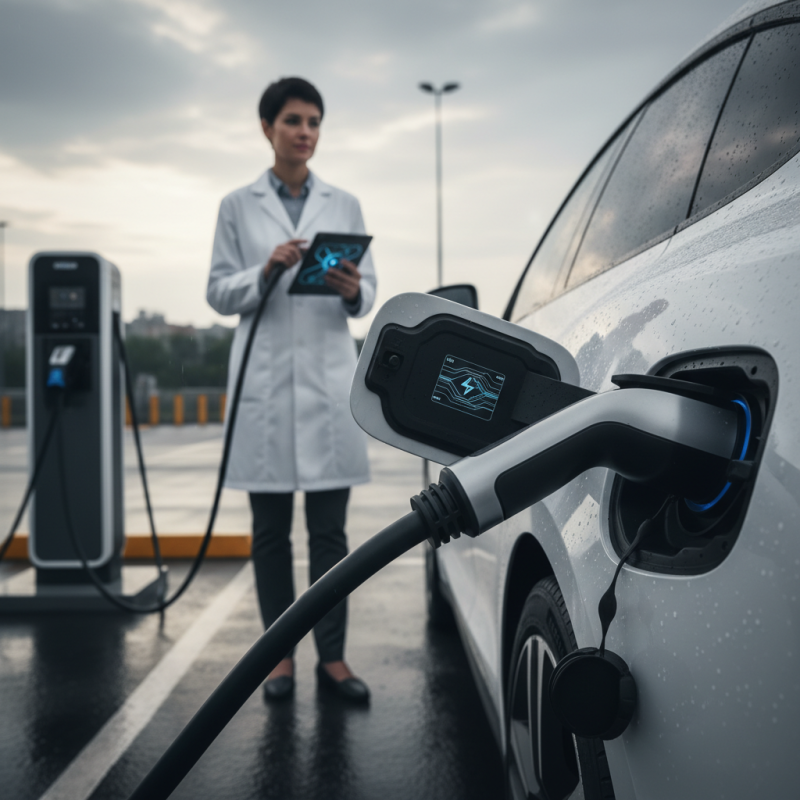
A DC charging connector is a crucial component in the electric vehicle (EV) ecosystem. It enables DC fast charging, allowing vehicles to recharge quickly. Unlike AC charging, which converts electricity in the vehicle, DC charging delivers power directly, significantly reducing charging time. These connectors come in several types, each designed for specific applications and standards. The physical design ensures compatibility and safety during the charging process.
Many users may not be aware that selecting the right connector is essential. Some connectors are optimized for certain charging stations or EV models. Be mindful of the charging speed and capacity of your vehicle. Knowledge of outlet types can save time when you're in a hurry.
For those new to the EV world, familiarize yourself with the different charging methods. Understanding DC fast charging helps in planning trips efficiently. Many charging stations offer apps for real-time updates on availability and speed. Regularly checking the condition of your charging connector is wise. A well-maintained connector enhances reliability and safety. Don't overlook these aspects to ensure a smooth charging experience.
DC Charging Connector Types and Power Output
The Components of a DC Charging Connector
A DC charging connector is crucial for electric vehicle (EV) charging. To understand its function, one must examine its components. Typically, a DC charging connector includes a plug, cable, and a housing. The plug connects directly to the EV, ensuring a secure and efficient transfer of power.
The charging cable is often made of high-quality copper and is designed to handle high currents. Reports indicate that these cables can carry currents of up to 350 kW. This capacity dramatically reduces charging times. The housing provides protection against weather and impacts, ensuring durability and safety. In many designs, cooling systems are also integrated to manage heat generated during the charging process.
Safety is paramount. Some connectors include locking mechanisms that prevent accidental disconnection. Moreover, robust cable insulation is vital to prevent short circuits. Each component needs to meet stringent industry standards. As the EV market grows, the demand for reliable connectors increases. The International Energy Agency estimates that by 2030, global EV sales could reach 30 million units. This growth emphasizes the need for advanced DC charging technologies and reliable components.
How DC Charging Connectors Function
DC charging connectors play a crucial role in the electric vehicle (EV) charging ecosystem. These connectors facilitate the rapid transfer of electricity from a charging station to the vehicle's battery. Their design is based on specific safety and efficiency standards, ensuring that charging can occur quickly and reliably. For instance, these connectors typically feature multiple pins that provide various functionalities, such as power delivery and communication between the vehicle and the charger.
How do DC charging connectors function? When a vehicle is plugged in, the connector establishes a secure connection. Power flow begins once the vehicle's onboard systems authenticate the charger. This communication is vital for safety; it ensures that the charging process starts only when conditions are optimal. Moreover, the connectors are usually designed to handle high voltage and current levels. This allows them to charge vehicles much faster than standard AC chargers.
However, not all connectors are created equal. Users may face compatibility issues between their vehicles and charging stations. It's essential to check the specifications before charging. Additionally, as technology evolves, connectors may need updates to keep up with new standards. This reality raises questions about the longevity of existing charging infrastructure. Understanding these nuances is key for EV users aiming for an efficient charging experience.
What is a DC Charging Connector and How Does it Work? - How DC Charging Connectors Function
| Aspect | Description |
| Type | DC Fast Charging Connectors |
| Principle of Operation | Transfers direct current from the charging station to the vehicle battery. |
| Common Standards | CHAdeMO, CCS (Combined Charging System), Tesla Supercharger. |
| Charging Speed | Typically provides 50kW to 350kW, allowing for rapid charging. |
| Usage | Used primarily for electric vehicles seeking fast recharging during trips. |
| Connector Size | Varies by standard; CCS connectors have a wider design due to dual voltage capacity. |
| Safety Features | Includes features such as temperature monitoring and automated shut-off during faults. |
Types of DC Charging Connectors in Use Today
DC charging connectors are essential for electric vehicles (EVs) and their charging systems. These connectors enable efficient power transfer, allowing drivers to recharge their vehicles quickly. Several types of DC charging connectors are utilized around the world, each designed for specific application needs.
One common type is the CHAdeMO connector. It features a unique design that facilitates fast charging. Many manufacturers prefer this connector for its high safety standards. Another popular option is the CCS (Combined Charging System). This connector combines AC and DC charging capabilities, making it highly versatile. Users appreciate its widespread availability in urban charging stations.
There are also lesser-known connectors like Tesla’s proprietary system, designed specifically for their vehicles. While effective, this creates some limitations for users of different brands. This disconnect may require EV owners to adapt to varying standards when traveling. It raises questions about the future of connector unification in the industry.
Applications and Benefits of DC Charging Connectors
DC charging connectors are vital for electric vehicle (EV) infrastructure. They enable rapid charging, crucial for widespread EV adoption. According to a 2022 report by the International Energy Agency (IEA), 80% of EV charging occurs at home or workplace. However, DC fast chargers bridge the gap, providing crucial boosts during long trips.
The benefits of DC charging connectors extend beyond speed. They often feature higher power outputs, reaching up to 350 kW. This capability significantly reduces charging times, enabling an 80% charge in as little as 20 minutes. Furthermore, with global EV sales projected to hit 30 million by 2030, the demand for efficient charging solutions escalates. Many urban planners are incorporating DC fast charging stations into their infrastructure to meet this growing need.
Despite these advancements, challenges remain. Compatibility across different vehicle models is a concern. Not all vehicles support the same DC charging standards. Additionally, installation costs for high-capacity chargers can be prohibitive. Ongoing efforts to standardize connectors and reduce installation costs will be essential for future developments in the EV charging ecosystem.