10 Essential Tips for Successful Printed Circuit Board Assembly

Blog

10 Essential Tips for Successful Printed Circuit Board Assembly

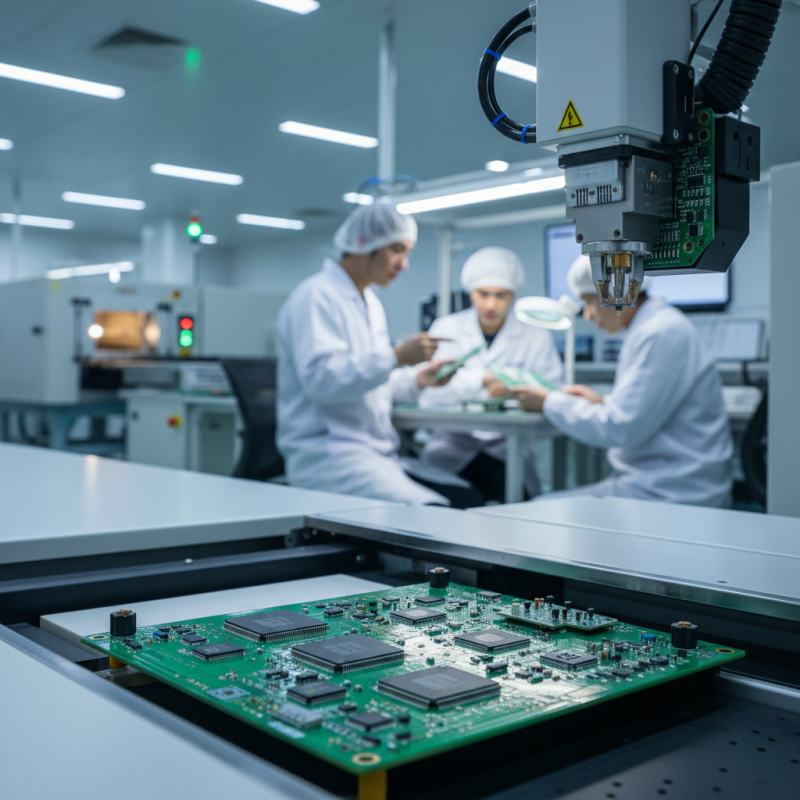
Printed circuit board assembly is a crucial process in the electronics industry. It involves the intricate task of placing electronic components onto a printed circuit board (PCB) to create functional devices. Success in this field requires not just technical knowledge but also a solid understanding of the best practices involved in PCB assembly.

Many professionals face challenges during this process. Common pitfalls include misalignment of components and soldering defects. These issues can lead to costly reworks and delays. With a keen focus on detail and quality, it is essential to follow tried-and-true guidelines. Experience shows that thorough preparation can make a significant difference.

Learning from mistakes is critical. Even seasoned experts may overlook aspects during assembly. By emphasizing the importance of quality control and effective communication, teams can enhance their results. Remember, success in printed circuit board assembly is not just about technical skills; it involves a comprehensive approach that values every step of the process.
10 Essential Tips for Successful Printed Circuit Board Assembly

Importance of PCB Assembly in Electronics Manufacturing

10 Essential Tips for Successful Printed Circuit Board Assembly

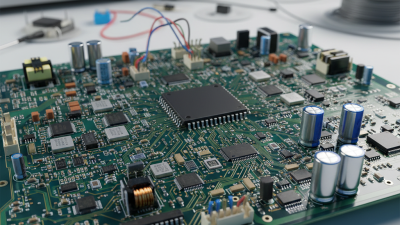
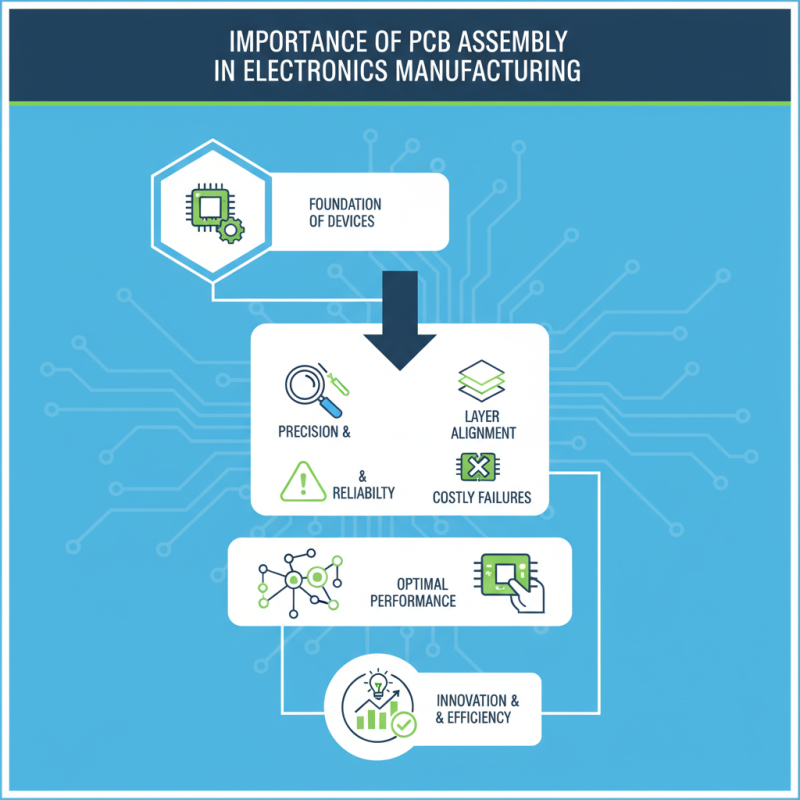
PCB assembly plays a critical role in electronics manufacturing. It serves as the backbone of modern devices. Without efficient assembly processes, even the best designs can falter. Mistakes in this stage can lead to costly product failures. Each layer of the PCB must be precisely aligned. The soldering process requires attention to detail. Inadequate solder joints can create performance issues.

Redundancies in the design can complicate the assembly process. Components may be difficult to access during assembly and testing. This can result in extended production times. Design flaws are often not evident until later stages. Investing time in the early phases can minimize these setbacks.

Today’s technology demands high precision. Automated machines aid in achieving this. Yet, human oversight remains essential. Operators must check each step intently. Errors go unnoticed too often, leading to significant repercussions. Emphasizing a solid feedback loop can improve the overall process. Communication between engineers and assemblers fosters a better understanding of challenges.
Understanding PCB Design for Effective Assembly

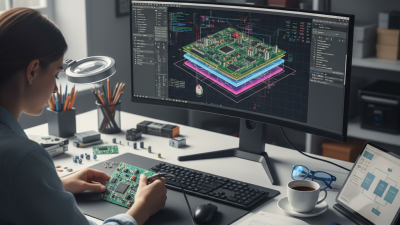
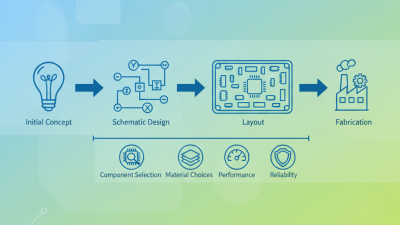
Understanding PCB design is crucial for effective assembly. A well-thought-out layout can greatly influence the final product's performance. When designing, it’s important to ensure that signal paths are as short as possible. This reduces interference and improves efficiency.

Choosing the right component placement is another key aspect. It affects not only performance but also assembly speed. Components should be grouped logically. This minimizes errors during soldering. However, inexperienced designers often overlook this detail, leading to frustrating mistakes.

While aesthetics matter, functionality must come first. Some designs may look good but may not perform well under stress. Testing prototypes thoroughly can help catch these issues early. Engineers should keep an open mind and be ready to adapt designs based on feedback. Mistakes can be invaluable learning experiences in PCB assembly.

PCB Assembly Challenges and Solutions

Essential Tools and Equipment for PCB Assembly

10 Essential Tips for Successful Printed Circuit Board Assembly

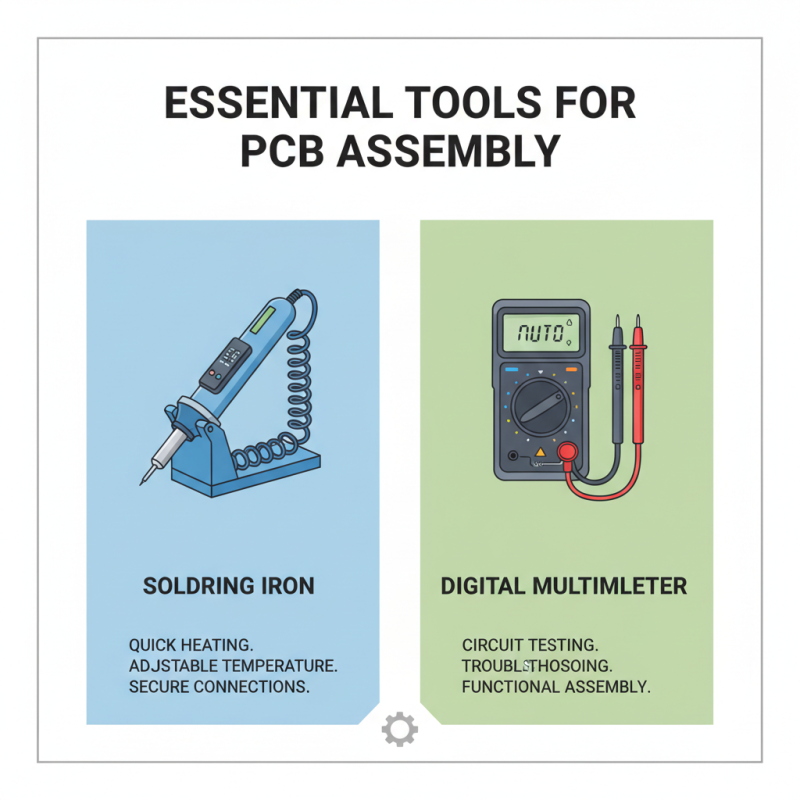
When it comes to PCB assembly, having the right tools and equipment is crucial. A good soldering iron is essential for making secure connections. Opt for one that heats quickly and has adjustable temperature settings. A digital multimeter is vital for testing circuits and troubleshooting issues. This tool ensures your assembly will function as intended.

Another important piece of equipment is the stencil printer. This tool applies solder paste accurately onto the PCB. Achieving a clean and precise application can significantly reduce defects. You should also consider a reflow oven or hot air gun for soldering components. These instruments provide consistent heat, reducing the chances of damage to delicate parts.

Don't overlook the importance of organization. A dedicated workspace with proper storage for components and tools can streamline your process. Using anti-static mats and wrist straps is also critical to prevent electrostatic discharge. The assembly process can be meticulous and prone to errors, so take your time to review each step. It's easy to rush and make mistakes, so patience is key.

Common Challenges in PCB Assembly and How to Overcome Them

In the world of PCB assembly, various challenges can hinder success. One common issue is component misalignment. Studies indicate that nearly 35% of assembly defects arise from improper placement. This not only affects functionality but also impacts the overall production timeline. To mitigate this, maintaining accurate pick-and-place accuracy is crucial.

Another significant challenge involves thermal management. With the rise of high-density circuits, managing heat dissipation becomes essential. Data from industry reports suggest that about 25% of electronics failures are linked to thermal issues. Implementing advanced thermal analysis techniques can help predict potential hot spots before assembly. Engineers should prioritize understanding heat flow within their designs.

Moreover, quality control remains paramount. Many manufacturers struggle to adhere to strict quality standards. Reports indicate that up to 40% of PCB assemblies may not pass initial testing. Implementing automated inspection systems can enhance accuracy. However, reliance solely on automation can lead to oversight. A balanced approach that combines automation with human expertise ensures more robust quality assurance throughout the assembly process.

10 Essential Tips for Successful Printed Circuit Board Assembly

Challenge Tip Impact on Assembly
Component Placement Use automated pick-and-place machines Increases accuracy and speed
Soldering Quality Implement temperature profiling Prevents cold joints and solder defects
PCB Layout Design Follow best practices for routing Enhances signal integrity and reduces noise
Testing Procedures Establish a thorough testing protocol Identifies issues early in the process
Material Selection Choose high-quality materials Increases reliability and lifespan
Production Volume Scale production using batch runs Improves efficiency and reduces costs
Supply Chain Issues Maintain good relationships with suppliers Ensures timely delivery of components
Documentation Keep clear and updated records Facilitates troubleshooting and design changes
Surface Finish Select appropriate surface finishes Improves solderability and reduces corrosion
Training and Skills Invest in ongoing workforce training Enhances overall assembly quality

Quality Control Measures in PCB Assembly Processes

Quality control is a crucial aspect of printed circuit board (PCB) assembly processes. It ensures that each board meets the required specifications and standards. One effective quality control measure is visual inspection. Trained technicians visually examine each PCB for defects like solder bridges and misalignment. This checks for obvious issues before moving to more complex testing. However, relying solely on visual inspections has its downsides. Human error can lead to missed defects, affecting overall product quality.

Automated optical inspection (AOI) systems enhance quality control significantly. These systems provide consistent, reproducible results. They analyze each board under bright lights and capture images for comparison against a database. However, these systems are not foolproof. They may not detect subtle issues that require human judgment. A balance between automated and manual inspections often yields the best results, encouraging a thoughtful approach.

Functional testing also plays a vital role in quality control. This testing simulates real-world conditions, ensuring the assembled board performs as intended. While effective, this method is time-consuming and doesn't identify all potential issues. Continuous reflection on testing strategies is essential. Assessing the effectiveness of current methods can help improve reliability and overall quality in PCB assembly processes. Consideration of both automated and manual techniques can lead to a more robust quality control system.