Top 10 First Plate Proofing Tips for Global Buyers

Blog

Top 10 First Plate Proofing Tips for Global Buyers

First Plate Proofing is where a digital design meets the limits of a real press, substrate, and production line. For global buyers, a small mismatch can travel far: a logo shifts near the trim, a pale tint disappears on kraft paper, or a barcode loses contrast under a glossy coating. Reviewing the proof carefully can prevent costly reprints and delayed shipments.

This introduction uses a fictional composite expert, prepress specialist Mara Chen, so the quotation is illustrative rather than a verified statement from a real person: “A proof is not a promise; it is a chance to catch the details the screen cannot show.” That distinction matters. A PDF can confirm layout and copy, but it cannot fully reveal ink behavior, material texture, finishing effects, or press variation. Ask suppliers what each proof actually represents.

The ten tips ahead focus on practical checks: matching color references, confirming dielines, reading small type at actual size, and documenting approval changes. Look closely at the edges. Compare the proof with an approved sample, and clarify who signs off on each revision. Buyers should also confirm that the production site is reviewing the same file version. One overlooked detail can undo careful work. Still, proofing is not foolproof; screens, samples, and production conditions differ. Treat approval as a controlled checkpoint, not a guarantee, and keep a record of what you accepted.
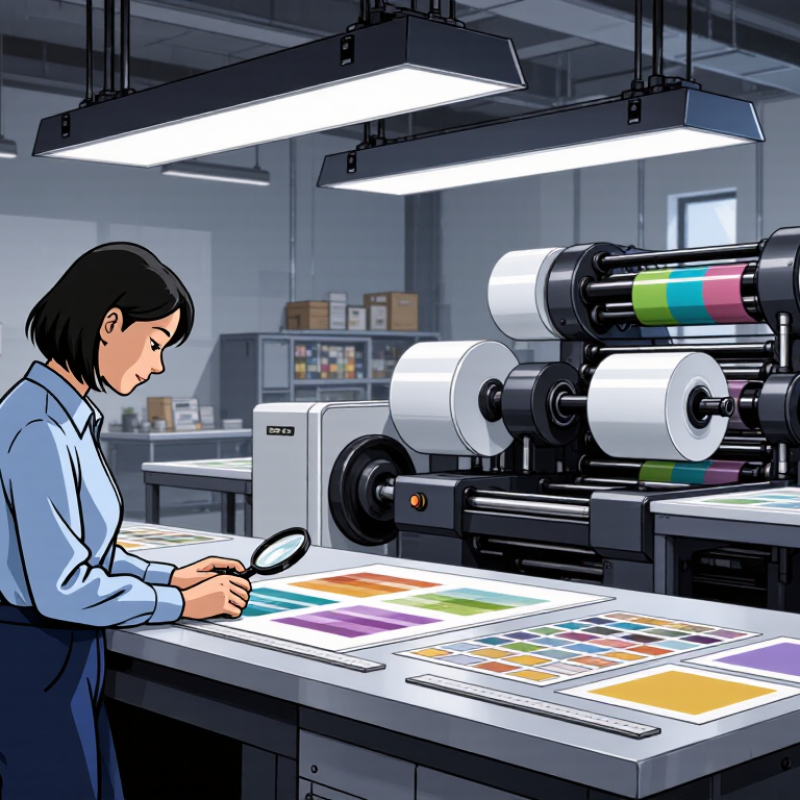
Top 10 First Plate Proofing Tips for Global Buyers

Understanding First Plate Proofing and Its Role in Global Sourcing

First-plate proofing is a production check made before a full print run. It lets buyers inspect whether approved artwork transfers accurately to the printing plate and first press sheet. Small faults matter: a shifted logo, weak fine text, or color that looks dull on the chosen stock can affect thousands of finished pieces. A screen preview cannot show every issue.

For global buyers, this check also creates a shared reference across the supplier, designer, and purchasing team. The WTO’s October 2023 Global Trade Outlook and Statistics projected just 0.8% growth in merchandise trade volume for 2023, reflecting a challenging trading environment. That figure does not measure printing delays, but it highlights why catching avoidable rework early can help protect schedules. ISO 12647-2 provides process-control requirements for offset printing; buyers can use it as a reference when discussing color and press conditions.

Review the proof under consistent lighting, and compare it with the approved artwork and color target. Check registration, trim, overprint, image detail, and small type. Ask whether the proof uses the intended paper and ink conditions. It may not. If the supplier uses a substitute, record that limitation before approval. Keep a dated sign-off with marked changes, so remote teams are judging the same version—not relying on a hurried message or memory.

Preparing Artwork, Specifications, and Approval Criteria

Before a first plate is made, send production-ready artwork with embedded fonts, linked images, and clearly marked trim and bleed lines. State the finished dimensions, substrate, color references, and any required tolerances. Keep units consistent across every file. A small mismatch between millimeters and inches can delay approval. Screen colors are only a guide; confirm how the chosen stock may affect the printed result.

Tip: Name files by job, version, and date. Include one marked-up proof, not several conflicting copies. A simple naming system prevents an old revision from quietly returning to production.

Set approval criteria before reviewing the proof. Check text, image placement, margins, color areas, and plate orientation against the supplied specification. Identify who can approve changes and how feedback should be recorded across time zones. Use numbered comments tied to visible locations, such as “logo, upper-right corner.” Approve only the final, dated version, and retain it with the specifications. A proof may look convincing on screen while revealing little about the finished material. That limitation is easy to overlook, even with a careful checklist.

Checking Color, Materials, Dimensions, and Finishing

Top 10 First Plate Proofing Tips for Global Buyers

A first plate proof gives buyers a practical chance to check color and material before production moves ahead. View it under neutral light, then compare it with an approved physical reference. Screens can make deep blue look brighter or warm gray appear almost beige. Note the lighting conditions; this detail is easy to overlook. Check whether the stock feels too glossy, too soft, or thinner than expected. A proof may look right in a photograph but feel wrong in hand.

Measure the printed area, margins, folds, and trim against the supplied specifications. A few millimeters can shift a logo or leave an uneven border. Confirm that the sample’s dimensions reflect the finished item, not just the flat layout. Inspect finishing closely: look for clean edges, even coating, consistent embossing, and surfaces without scratches or bubbles. Ask how the finish may change the color. Matte coatings can soften contrast. Small flaws matter.

Tips: Keep one approved reference sample and label it with the date and revision. Photograph the proof beside a ruler, but do not rely on photos alone. Mark every correction clearly, including its location and requested change. If a detail remains uncertain, request a revised proof rather than guessing. It may feel slower, but assumptions are harder to fix later.

Reviewing Compliance, Packaging, and Shipping Requirements

Top 10 First Plate Proofing Tips for Global Buyers
Reviewing Compliance, Packaging, and Shipping Requirements

A first plate proof is more than a color check. Confirm the product name, net quantity, ingredient or material details, warnings, and required language against the rules for each destination market. Requirements can vary by product and country, so ask your local importer or qualified compliance adviser to review the artwork. Small details matter. A missing accent or misplaced decimal can delay approval.

Inspect the physical proof under neutral lighting. Check that fine print remains readable, barcode lines are sharp, and colors stay consistent across panels. Compare the proof with the approved dieline, including folds, seals, and trim edges. Leave enough clear space around codes and required statements. I would not approve from a screen alone; gloss and ink can shift the result. Even experienced teams miss things.

Packaging also needs to survive the route. Confirm carton dimensions, cushioning, moisture protection, and pallet limits with your supplier before production. Ask for packed-unit photos and a sample carton, especially when products travel through several handling points. Verify shipping marks, carton counts, and destination details against the purchase documents. Allow time for inspection and transit changes. One overlooked label can complicate receiving, and timelines sometimes need a second look.

Documenting Corrections and Giving Final Production Approval

A first plate proof is a working record, not just a visual check. Photograph each marked area beside a ruler, and note the page, panel, or plate location. Write the requested change in plain language: “Move the warning text 2 mm left” is clearer than “adjust spacing.” Include the proof date and revision number. Small details matter.

Keep a correction log that separates requested changes from completed changes. For each item, record who raised it, who checked it, and whether the change appears on the next proof. Compare the updated proof with the previous version, not with memory. Check fine text, registration, image edges, and color under neutral lighting. A screen can mislead. If reviewers work across countries, use measurements and annotated images rather than color names alone; “warm red” can mean different things to different people.

Before production approval, confirm that all open corrections are either resolved or explicitly accepted. Identify the approved file or proof by revision number, date, and relevant specifications, such as stock and finish. Ask the responsible reviewer to sign or reply in writing. Approval should cover the version actually checked. I have seen teams miss a tiny footer change after a late file swap; it is an easy mistake, and worth guarding against. Keep the approval record with the final production files.

Top 10 First Plate Proofing Tips for Global Buyers - Documenting Corrections and Giving Final Production Approval

Use this checklist to review the first production plate or press proof against the approved artwork, specifications, and purchase requirements. Agree on tolerances and measurement methods with the supplier before production.

No. Proofing Tip What to Check Correction Record Final Approval Evidence
1 Confirm the approved file version Match the proof to the latest approved artwork, including file name, revision, page count, and date. Check that obsolete files are not being used. Record the file name, revision identifier, approval date, and any replaced version. Buyer and supplier confirm the same controlled artwork version before production release.
2 Check dimensions and layout Verify finished size, panel order, folds, trim, bleed, safe areas, and orientation against the approved dieline or technical drawing. Identify the affected panel or position and note the required measurement or layout change. Recorded dimensions and layout match the approved specification; critical measurements are verified with suitable tools.
3 Inspect text and language versions Check spelling, punctuation, translations, font rendering, line breaks, legibility, and placement of required product information. Quote the exact text to change, provide replacement wording, and identify the language and location. All text is reviewed by the buyer or designated language reviewer, with corrections closed in the final proof.
4 Verify colors and color references Compare key colors with the agreed color target, such as a physical reference, approved drawdown, or specified color standard. Screen appearance alone is not a reliable color match. Record the color reference, observed difference, measurement method, and agreed adjustment where applicable. Color acceptance criteria and measurement conditions were agreed in advance, and the approved result is documented.
5 Review images, gradients, and fine detail Check image sharpness, tonal range, gradients, small type, thin rules, and reversed text at the intended print size. Mark the affected area and describe the issue, such as loss of detail, an uneven gradient, or insufficient line weight. Critical images and fine details are checked at actual size under suitable viewing conditions.
6 Check separations and overprint settings Review process and spot-color separations, knockout and overprint behavior, trapping, and any unintended plate elements. Record the separation or object affected and provide a marked proof or annotated screenshot. Prepress confirms separations and overprint settings against the approved artwork and print specification.
7 Confirm substrate and finish details Check the specified material, surface, coating, varnish, foil, embossing, or other finishing areas against the order requirements. Document any mismatch in material or finish and identify the affected area or production specification. The proof or supporting sample clearly identifies the material and finish approved for production.
8 Use clear, traceable correction marks Make each correction easy to locate and distinguish from comments that do not require a change. Number each item and record its location, requested change, responsible party, and status: open, corrected, or accepted as-is. A corrected proof is returned with all requested changes visibly resolved or explicitly waived.
9 Check the final corrected proof Compare the revised proof with the correction list. Confirm that requested changes were made and that no new errors were introduced. Close each correction against the latest proof revision; reopen any incomplete or incorrect item. The final review references a specific proof revision and shows no unresolved production-critical corrections.
10 Give explicit production approval Ensure the approver understands that approval authorizes production from the identified artwork and specifications. Record approver name or role, approval date and time, proof revision, and any agreed exceptions. Written approval is retained with the order records. Any later artwork change requires a new review and approval.

Approval record: Retain the approved proof, correction log, relevant color or material references, and written production authorization together. Confirm any applicable regulatory, language, and market-specific requirements before release.