How to Choose the Right ATF Car Machine?

Blog

How to Choose the Right ATF Car Machine?

Choosing the right Atf Car Machine requires more than comparing prices or reading a bright product brochure. A suitable machine must match your workshop’s vehicle range, service volume, and technical standards. Automatic transmission systems vary widely, and the wrong fluid, connector, or pressure setting can create expensive problems. Reliability matters.

Experienced technicians usually examine fluid capacity, operating pressure, hose quality, filtration, and adapter coverage before purchase. A clear control panel helps prevent mistakes during busy service hours. Strong internal pumps can improve exchange efficiency, but excessive pressure may damage sensitive systems. The machine should support accurate fluid measurement and clean separation between old and new fluid. Small details matter.

Safety features deserve equal attention. Look for leak-resistant fittings, automatic shutoff functions, durable wheels, and readable fluid containers. Manufacturer training, service records, and accessible replacement parts also reveal product reliability. A low-cost unit may become expensive when seals fail or technical support disappears. That lesson is easy to overlook.

Workshop experience can expose another weakness: technicians may choose a machine based on appearance instead of compatibility. A careful evaluation should include real vehicle testing, transparent specifications, and guidance from qualified suppliers. Vehicle manufacturers’ service recommendations should remain the final reference. No machine replaces proper diagnosis, cleanliness, or trained judgment. The best choice supports consistent work, protects transmissions, and builds customer trust over time.
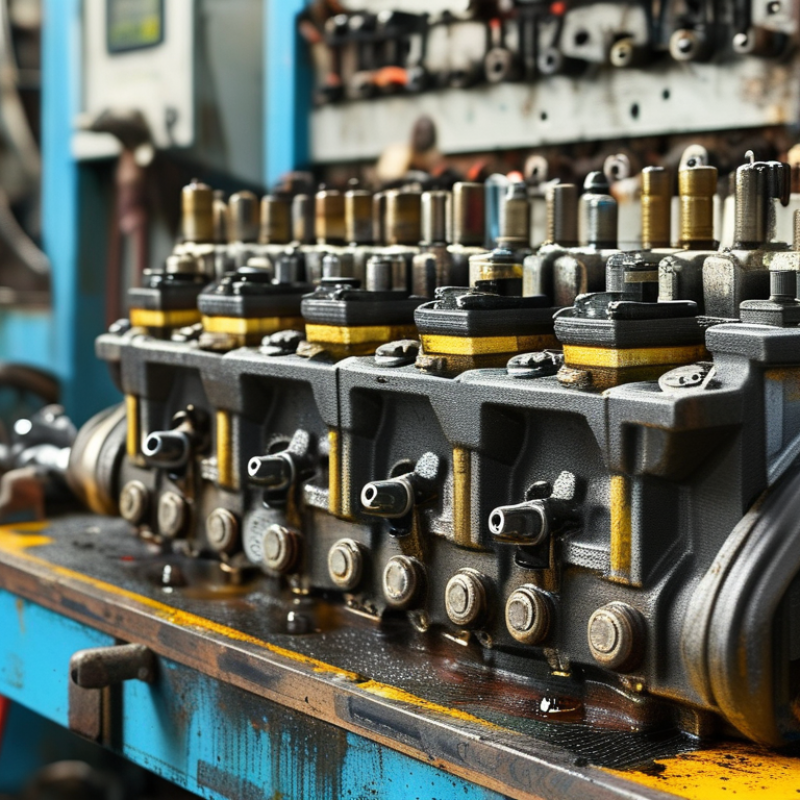
How to Choose the Right ATF Car Machine?

Understanding ATF Car Machines and Their Main Functions

An ATF car machine exchanges automatic transmission fluid through the vehicle’s cooler lines. Its main function is controlled fluid replacement, not transmission repair. A technician connects the correct adapters to the transmission circuit. The machine removes used fluid while supplying new fluid at a measured rate. Some models also filter fluid, monitor flow, and display exchanged volume. These functions help reduce spills and improve service consistency. They do not correct worn clutches, damaged seals, or electronic faults.

Choosing the right machine requires more than checking its price. Confirm that the hoses and adapters fit the vehicle’s transmission system. The fluid reservoir should hold enough ATF for the planned service. Clear flow tubes can help technicians observe color changes and contamination. Accurate pressure control is essential. Excessive pressure may create unnecessary risks for delicate components. A reliable unit should also separate new fluid from waste fluid and support clean storage.

Temperature matters too. Transmission fluid levels often require checking within a specified temperature range. The technician should follow the vehicle service information, not guess from appearance alone. I once underestimated the value of a clear measuring scale. The process became slower than expected. That small oversight showed me that simple controls can matter more than extra features. Machines need regular hose inspection, filter checks, and accurate volume records. Even experienced technicians can miss a weak connection. A short leak test helps.

Identifying the Vehicle and Transmission Service Requirements

How to Choose the Right ATF Car Machine?

Identifying the vehicle and transmission service requirements should come before comparing machine features. Confirm the vehicle identification number, model year, transmission code, fluid specification, total capacity, and approved exchange temperature. A transmission may look familiar but require a different fluid or connection method. S&P Global Mobility reported that the average U.S. light vehicle age reached about 12.6 years in 2024. Older vehicles often have mixed service histories, making careful inspection essential.

Check the transmission design before selecting an ATF machine. Some units use a dipstick tube, while others require cooler-line access or a service adapter. The machine should control fluid temperature, measure exchange volume, and prevent cross-contamination. SAE fluid classifications can guide viscosity decisions, but they do not replace the vehicle maker’s technical specification. In practice, I verify fluid labels, service records, and scan-tool data together. A catalog lookup helps, but it is not infallible.

Look closely at filtration and waste-fluid handling. The U.S. Environmental Protection Agency identifies used automotive fluids as materials requiring controlled collection and proper recycling practices. A sealed waste tank and clear volume readings reduce workshop mistakes. The Automotive Aftermarket Suppliers Association’s recent market reporting also shows a large, aging vehicle population needing maintenance rather than immediate replacement. That trend supports flexible equipment. Still, flexibility can become complexity. If technicians cannot identify the correct adapter quickly, an advanced machine may slow service instead of improving it.

Comparing Machine Types, Features, and Fluid Compatibility

Choosing an ATF car machine requires more than comparing pump speed or screen size. S&P Global Mobility’s 2024 Vehicle Age Report places the average U.S. light vehicle age at about 12.6 years. Older cars may need simple drain-and-refill service, while newer vehicles often require controlled exchange procedures.

Three machine types cover most workshops.

Drain-and-refill equipment is simple and gentle, but it replaces only part of the fluid. Fluid exchange machines use measured new fluid and collect used fluid separately. They offer better consistency. Flush machines can move fluid quickly, yet excessive pressure may disturb debris in neglected transmissions. That risk deserves attention.

Check the details.

A useful machine should display fluid temperature, flow volume, and service time. A transparent waste tank helps technicians spot dark fluid or metal particles. Automatic shutoff reduces overfilling. Data from the U.S. EPA’s 2023 Automotive Trends Report shows continuing advances in powertrain and transmission technology, making one universal setting increasingly unrealistic.

Fluid compatibility is the critical test. ATF, CVT fluid, and dual-clutch fluid are not interchangeable. The machine should support separate reservoirs, dedicated hoses, and verified vehicle specifications. Viscosity alone is insufficient. Read the service data.

In workshop practice, adapters often cause delays. A strong coupler set matters more than a decorative touchscreen. Still, even accurate equipment can produce a poor result when the operator skips temperature checks or uses contaminated lines. That limitation is easy to underestimate.

Evaluating Safety, Efficiency, Maintenance, and Operating Costs

Choosing an ATF car machine requires more than comparing purchase prices. Safety should guide the inspection. Look for pressure controls, secure hose connections, emergency shutoff access, and a clear fluid-level display. Transparent containers help technicians spot dark fluid, bubbles, or metal particles before service continues. A stable frame also matters when the machine moves across a workshop floor.

Efficiency depends on accurate fluid measurement and a steady pumping cycle. A useful machine should reduce waiting time without forcing technicians to rush. Separate containers for new and used fluid prevent costly mixing. Check whether the unit supports common transmission service procedures and provides simple operating instructions. Complicated controls create mistakes.

Maintenance affects long-term value. Choose accessible filters, replaceable seals, durable hoses, and readable service indicators. Ask how often calibration is required. Small leaks can become expensive. Operating costs include electricity, replacement parts, cleaning fluid, and disposal of used ATF. A cheaper machine may consume more supplies over time. That is easy to overlook. However, the most advanced equipment is not automatically the best choice. Some workshops pay for features that remain unused. Review daily workload, technician skill, available floor space, and local service support. Test the machine with gloves on. If a control is hard to reach, real-world safety may suffer. My own assessment would include a trial run, because specifications rarely reveal every inconvenience.

Selecting the Best ATF Machine for Your Workshop or Garage

Choosing the best ATF machine starts with your workshop’s actual workload. A busy garage needs stable flow control, clear pressure readings, and a waste tank large enough for several services. A small workshop may value compact storage more than maximum speed. S&P Global Mobility reported that the average age of U.S. light vehicles reached 12.6 years in 2024. Older vehicles often require careful transmission-fluid maintenance.

Check fluid compatibility before comparing extra features. The machine should support the transmission fluids used by your customers, while preventing cross-contamination between fluid types. Look for dedicated hoses, sealed connectors, replaceable filters, and visible fluid-level indicators. A transparent line can reveal air bubbles or darkened fluid during service. That detail matters. It can prevent an expensive misjudgment.

Ask for calibration records and operator training materials. A pressure gauge without verification may create false confidence. Grand View Research valued the global automotive aftermarket at about 481.6 billion dollars in 2023, with projected growth through 2030. This expanding service market rewards equipment that reduces rework. Still, the most expensive machine is not automatically the best choice. I would measure cycle time, adapter coverage, maintenance cost, and technician comfort over one working week. Some specifications look impressive but remain unused. Check the drain design, electrical protection, noise level, and warranty terms carefully. Calibration can be overlooked, and that is where a good purchase may become a costly lesson.

How to Choose the Right ATF Car Machine? - Selecting the Best ATF Machine for Your Workshop or Garage

Selection Dimension Typical Reference Range or Requirement Why It Matters Recommended Choice
Vehicle Compatibility Support for conventional automatic, dual-clutch, continuously variable, and hybrid transmission service where applicable Different transmission designs may use different fluid specifications, connection points, and service procedures. Choose a machine with broad vehicle coverage and clearly identified fluid pathways.
Fluid Tank Capacity Approximately 10–30 L per clean-fluid and waste-fluid tank A larger capacity reduces refilling and draining during repeated services, while a smaller tank saves space. Select 10–15 L for occasional garage use and 20–30 L for busy workshops.
Fluid Flow Rate Approximately 0.5–3.0 L/min, with adjustable flow preferred Adjustable flow helps reduce splashing, air intake, and pressure-related risks during different service procedures. Choose adjustable low-to-medium flow for general passenger vehicles; higher flow is useful for commercial workloads.
Pressure Control Regulated pressure with a visible gauge; many service units operate within a low-pressure range of roughly 0–10 bar Controlled pressure helps protect transmission circuits, seals, hoses, and service connections. Prioritize precise regulation, pressure relief, and an easy-to-read gauge over maximum pressure.
Fluid Identification Separate, clearly labeled ports or tanks for new fluid, used fluid, and optional cleaning fluid Clear separation reduces the risk of cross-contamination between different transmission fluids. Choose color-coded hoses, labels, and transparent inspection sections.
Hose and Adapter Coverage A complete hose kit with multiple common transmission cooler-line adapters and quick-connect fittings The machine is only useful when it can connect securely to the vehicle being serviced. Select a unit with durable, leak-resistant fittings and readily available replacement adapters.
Filtration System Replaceable in-line filter, commonly rated around 5–10 microns when filtration is provided Filtration can help remove suspended particles during fluid circulation, but it does not replace correct transmission maintenance. Choose an accessible filter housing with a clear replacement procedure.
Fluid Heating Optional temperature monitoring; built-in heating should include temperature control and overheat protection Transmission fluid viscosity changes with temperature, so accurate temperature information supports safer servicing. Prefer temperature monitoring; use heating only when it is compatible with the fluid and service procedure.
Power Supply 12 V DC for mobile units or 100–240 V AC for workshop equipment, depending on configuration The available power source determines portability, operating location, and installation requirements. Choose 12 V DC for roadside or mobile work and mains-powered equipment for frequent workshop use.
Control Interface Manual valves and gauges, or a digital interface with automatic fluid-volume and pressure monitoring Simple controls are easy to maintain, while digital monitoring can improve repeatability and reduce operator error. Choose clear, intuitive controls with emergency shutoff and automatic stop functions where available.
Portability and Storage Wheels, locking casters, hose storage, and a compact footprint; many mobile units are roughly 80–120 cm tall Good mobility saves workshop space and makes it easier to position the machine near the vehicle. Select a compact wheeled design for small garages and a larger cart with organized storage for high-volume workshops.
Safety Features Pressure relief, leak-resistant fittings, overfill protection, emergency stop, and grounded electrical components ATF can be hot and slippery, and incorrect pressure or fluid routing can damage equipment or create safety hazards. Do not compromise on pressure relief, electrical protection, hose quality, or spill control.
Maintenance Requirements Routine hose inspection, filter replacement, tank cleaning, pump checks, and calibration verification Regular maintenance helps preserve fluid cleanliness, measurement accuracy, and pump performance. Choose a design with accessible filters, replaceable seals, serviceable pumps, and available technical documentation.
Best Application Garage, general repair workshop, transmission specialist, or high-volume service center The correct machine depends on service frequency, vehicle variety, available space, and operator skill. Match capacity, automation, adapter coverage, and durability to the expected daily workload.

Note: Specifications are typical reference ranges for general ATF service equipment. Always follow the vehicle manufacturer's transmission-fluid specification, connection procedure, temperature requirement, and fluid-level inspection method.