How to Implement Flexible Assembly in Manufacturing for 2026?
In the evolving landscape of manufacturing, flexible assembly is becoming crucial for success. Companies must adapt to changing consumer demands and preferences. Effective implementation of flexible assembly can greatly enhance efficiency and productivity.
Flexible assembly allows manufacturers to produce a variety of products on the same line. This approach reduces waste and improves resource utilization. However, challenges remain. Training workers for diverse tasks can be complex. Integrating new technologies into existing systems can also be difficult.
It is vital to consider the unique needs of each plant. Customization of flexible assembly systems can lead to better outcomes. Companies should reflect on their current processes to identify potential improvements. A well-planned strategy will pave the way for a more agile manufacturing environment by 2026.
Understanding Flexible Assembly in Modern Manufacturing
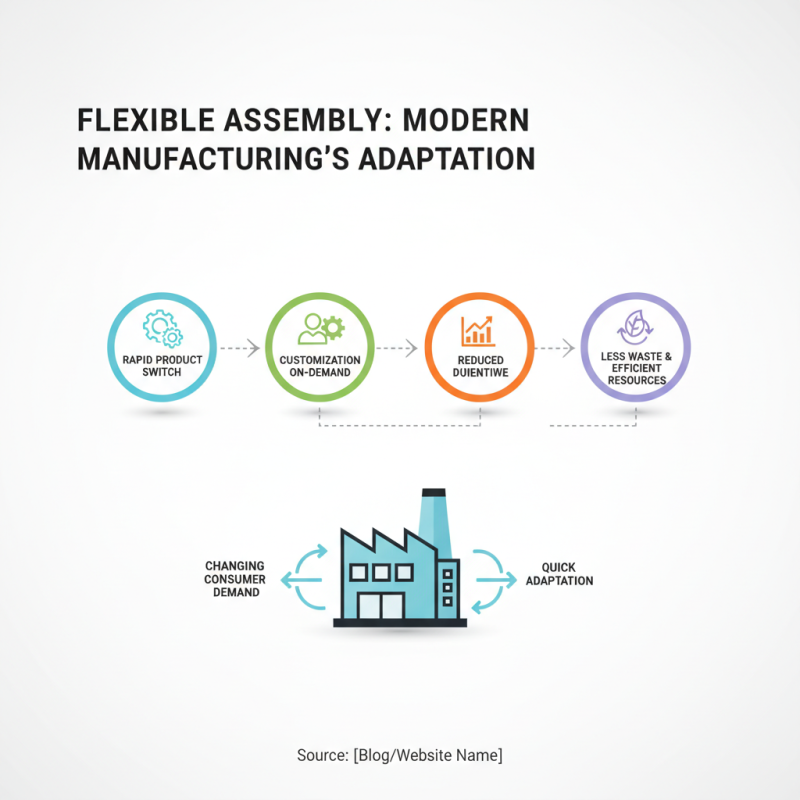
Flexible assembly is becoming crucial in modern manufacturing. This approach enables companies to adapt quickly to changes in consumer demand. It allows for the customization of products without extensive downtime. For instance, assembly lines can switch between different products rapidly. This leads to less waste and efficient resource use.
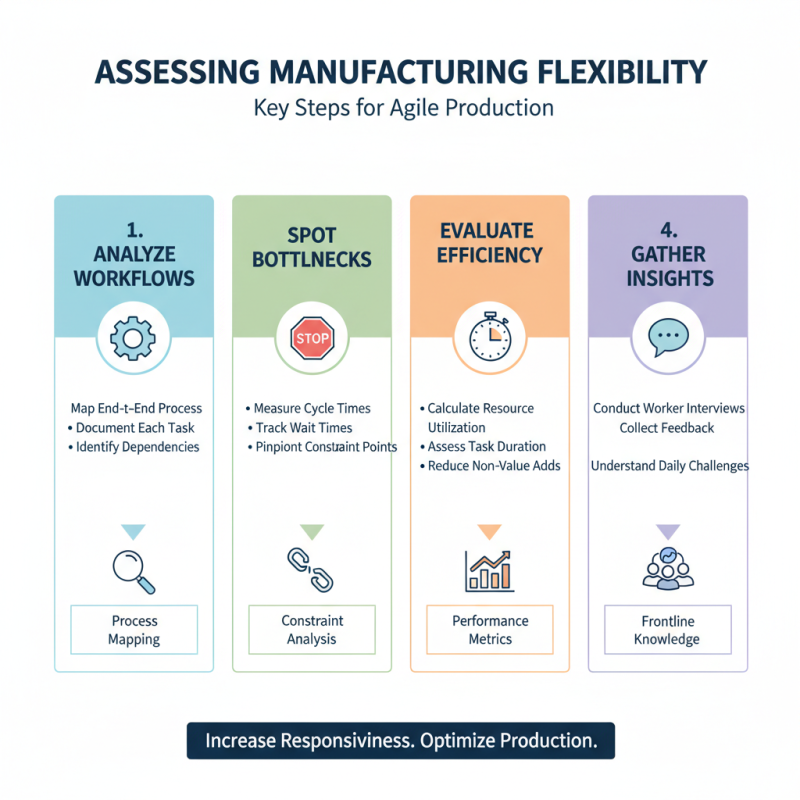
Implementing flexible assembly requires a clear understanding of the workflow. Changes in production processes can create confusion among workers. Training employees is essential. They need to be comfortable with new technologies. However, not all employees adapt quickly. Some may resist change, leading to temporary slowdowns. Collaborating closely with teams can mitigate these issues. Regular feedback loops help identify areas needing improvement.
Technology plays a significant role in flexible assembly. Smart machinery can enhance efficiency. It can monitor production in real-time and make automatic adjustments. However, heavy reliance on technology can lead to problems during breakdowns. Human oversight is still needed. A balanced approach is crucial for a successful flexible assembly system.
Key Technologies Driving Flexible Assembly in 2026
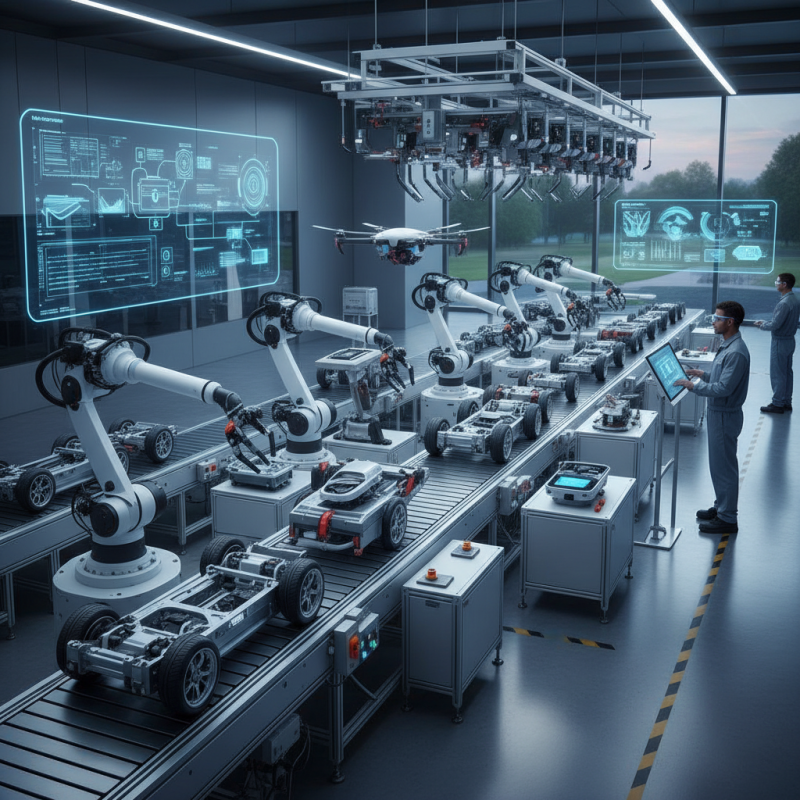
Flexible assembly in manufacturing is gaining traction as companies aim for efficiency. Key technologies are essential to this transformation. Robotics play a significant role. Advanced robotic systems can easily adapt to different tasks. They increase speed and precision, handling various products seamlessly. However, integrating these systems can be challenging and requires skilled workers.
Artificial intelligence is also a game-changer. AI algorithms analyze production data in real-time. This adaptability helps optimize assembly processes on the fly. Machine learning improves over time, becoming more efficient. Yet, data privacy concerns linger. Companies must ensure they're compliant with regulations.
Another component is modular systems. These allow quick reconfiguration for different production runs. This flexibility can reduce downtime and improve overall productivity. Nevertheless, implementing modular systems can be costly and complex. It's crucial to weigh the benefits against the investment needed. Continuous evaluation is necessary to refine these technologies while addressing potential issues.
Best Practices for Implementing Flexible Assembly Systems
Flexible assembly systems are increasingly critical in manufacturing. A recent report by the International Journal of Advanced Manufacturing Technology indicates that businesses adopting flexible assembly can boost efficiency by up to 25%. Such systems allow for quick adaptation to changing product designs. This agility is essential in today’s volatile market.
To implement a successful flexible assembly system, companies must focus on workforce training. Operators should be skilled in handling various tasks. This reduces the learning curve. A study from McKinsey highlights that 70% of companies see improved productivity when workers are well-trained in multi-tasking. However, ramping up training programs can be resource-intensive and time-consuming.
Tech integration plays a pivotal role in flexible assembly. Using real-time data analytics can streamline processes. Industry data shows that companies using integrated technology experience a 30% reduction in downtime. Yet, the transition can present challenges. Ensuring that systems are compatible often requires significant investment and ongoing adjustments. Balancing immediate costs with long-term savings is a tricky endeavor for many manufacturers.
Measuring Success and Adaptation of Flexible Assembly Techniques
In manufacturing, implementing flexible assembly requires
careful consideration.
Measuring success is essential for these techniques.
Define clear metrics to track progress. Collect data on efficiency, error rates, and worker adaptability.
These insights guide necessary adjustments.
Tips: Communicate frequently with your team.
Engagement fosters a culture of improvement. Regular feedback sessions can
reveal areas for enhancement.
Be open to failure; it often leads to better solutions.
Adaptation plays a pivotal role. Assess how quickly your team can shift between tasks.
Evaluate the tools and technologies in use.
Are they supportive? An outdated tool can hinder progress.
Continuous assessment allows for informed decision-making and refinement of processes.