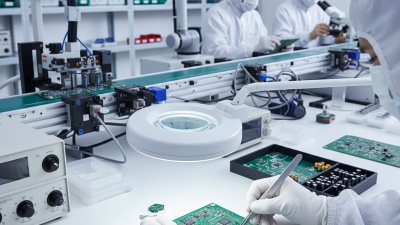
Why is PCB Circuit Design Essential for Global Sourcing?
In today's global market, PCB circuit design plays a crucial role in manufacturing and sourcing. The PCB market is projected to reach USD 80 billion by 2025, according to a report by Research and Markets. Companies rely on efficient PCB circuit designs to ensure their products meet international standards. Quality PCB design can significantly reduce production costs and lead times.
However, poor circuit design can lead to costly errors. These flaws often result in delays and increased expenditures. A survey from IPC found that 60% of manufacturers faced issues related to design inefficiencies. By focusing on high-quality PCB circuit design, businesses can mitigate these risks. This emphasizes the need for expertise in design processes.
Moreover, the surge in demand for electronics amplifies the importance of robust PCB circuit design. As industries rely on sophisticated technology, the necessity for reliable circuit boards grows. Designers must adapt to evolving trends and standards. Global sourcing increases the complexity but also the opportunity for innovation. Companies must continually reflect on their design practices to stay competitive and relevant.
Importance of PCB Circuit Design in Global Supply Chains
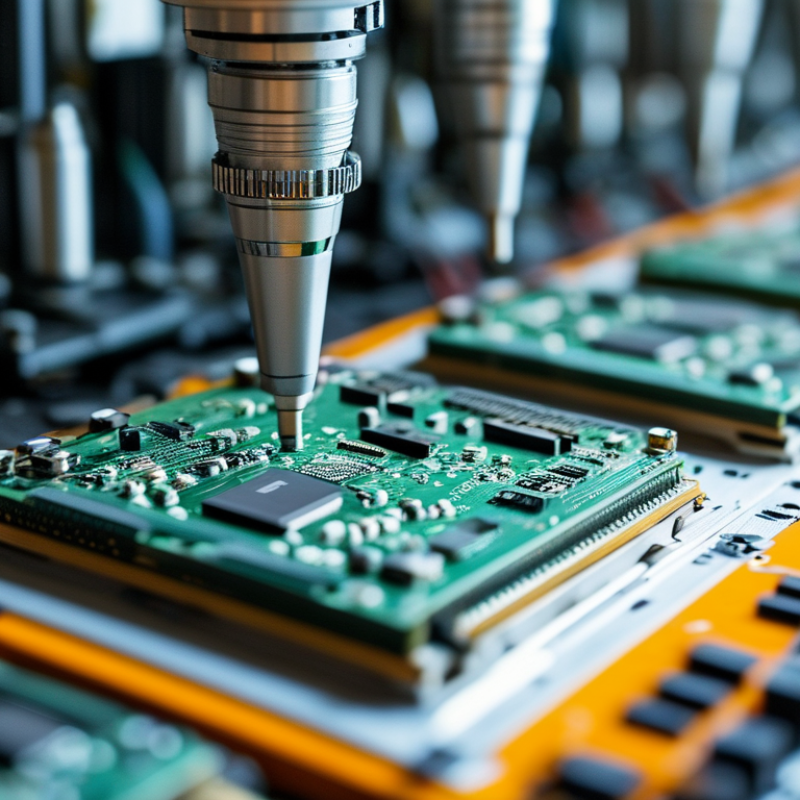
In global supply chains, PCB circuit design plays a vital role. It ensures electronic products are reliable and efficient. A well-executed design reduces costs and time in manufacturing. It also enhances product quality. Each component’s placement affects functionality and performance. Designers must consider factors like thermal management and signal integrity.
Communication is key in PCB design. Teams across different regions need to work closely. Design engineers should share updates frequently. This helps to avoid misalignments in expectations. Sometimes, teams might miss critical specifications. Regular reviews can catch these issues early. Collaborative tools can bridge gaps in understanding.
Consider testing prototypes early in the design phase. This can highlight potential flaws. Revisiting designs after initial prototypes is essential. Reflections on initial outcomes can lead to improved versions. Flexibility in design can adapt to changing requirements. Strengthening PCB design can ultimately support smoother global sourcing.
Key Benefits of Effective PCB Design for International Procurement
Effective PCB circuit design is crucial for international procurement due to its direct impact on product performance and supply chain efficiency. A well-designed PCB can reduce costs by up to 30%, as reported in a 2022 industry study by ABI Research. This cost-effectiveness stems from minimizing errors during manufacturing and enhancing product reliability, which aligns with global sourcing strategies.
One key benefit of effective PCB design is accelerated time-to-market. Efficient designs lead to faster prototyping and reduced lead times. Companies utilizing advanced design tools can shorten their development cycles by approximately 25%, according to a report by Circuit Cellar. This efficiency not only boosts competitiveness but also meets the increasing demand for timely delivery in a global marketplace.
When it comes to PCB designs, consider investing time in simulation and optimization. This proactive approach can identify potential flaws early. Additionally, it's worth reviewing designs with a fresh perspective to spot areas for improvement. Simplifying layouts may also enhance manufacturability, ensuring that products comply with international standards and customer expectations. Fostering collaboration among design teams globally can further enhance the quality of PCB designs.
Impact of PCB Design on Cost Efficiency and Quality Control
PCB circuit design plays a crucial role in achieving cost efficiency and maintaining quality control. According to recent industry reports, poorly designed PCBs can increase production costs by up to 30%. This inefficiency arises from the need for rework and additional materials. Thus, investing in high-quality design tools can lead to significant savings.
A well-executed PCB design streamlines manufacturing processes. Studies show that optimized designs can reduce assembly time by around 25%. This not only lowers labor costs but also enhances throughput. Quality control is deeply impacted by the design phase. Data indicates that 70% of defects originate from the initial design, underscoring the importance of thorough design reviews.
However, many organizations overlook the need for rigorous design validation. A reactive approach to PCB issues can result in costly delays and increased wastage. Companies must prioritize robust design practices to avoid these pitfalls. Implementing best practices in PCB design can lead to more reliable products and improved market competitiveness.
Challenges in PCB Design for Global Sourcing Strategies
Designing printed circuit boards (PCBs) is pivotal in global sourcing strategies. The communication gap between teams may lead to misunderstandings. Different countries have varying design standards, making it essential to ensure clarity. Cultural nuances must also be considered to avoid errors.
When collaborating globally, engineers face numerous challenges. For instance, time zone differences can slow down decision-making processes. Misaligned priorities could lead to delays in project timelines. Additionally, supply chain disruptions may affect component availability, complicating PCB design.
Emphasizing effective communication can mitigate these challenges. Regular updates and virtual meetings help keep everyone aligned. Using collaborative design tools ensures that all stakeholders can contribute. Ensuring that design files are clear and well-documented can reduce confusion. Assessing risks proactively allows teams to address potential issues early. Remember, investing in clear documentation pays off in the long run.
Why is PCB Circuit Design Essential for Global Sourcing? - Challenges in PCB Design for Global Sourcing Strategies
| Challenge |
Description |
Impact on Global Sourcing |
| Design Complexity |
Increasingly complex designs necessitate advanced skills and tools. |
Requires specialized sourcing partners, widening the supply chain. |
| Regulatory Compliance |
Different countries have varying safety and environmental regulations. |
Increased costs and development time to meet diverse requirements. |
| Communication Barriers |
Cultural and language differences can lead to misunderstandings. |
Potential delays in the design and production process. |
| Technology Misalignment |
Different technology standards among countries can pose challenges. |
Limitations on sourcing from partners with incompatible technologies. |
| Time Zone Differences |
Global teams may work in vastly different time zones. |
Slower response times and project delays due to scheduling conflicts. |
Future Trends in PCB Circuit Design for Global Market Needs
The landscape of PCB circuit design is rapidly evolving to meet the demands of the global market. According to recent industry reports, the global PCB market is projected to grow at a CAGR of 4.1% from 2021 to 2026. This growth is largely driven by advancements in technology, including the Internet of Things (IoT) and 5G networks. Designers must adapt to these trends to remain competitive.
One emerging trend is the shift towards more integrated designs. As devices become smaller, the complexity of PCB layouts increases. This complexity offers challenges in signal integrity and electromagnetic compatibility. A study by IPC highlighted that 80% of design engineers face difficulties in managing these problem areas. Thus, future PCB designs must leverage simulation tools and automated software to enhance reliability.
Sustainability is another critical focus. The demand for eco-friendly materials and processes is rising. An estimated 30% of consumers now prefer products made with sustainable materials. Designers need to integrate recyclable components without compromising performance. Balancing sustainability with performance remains a challenge that calls for innovative thinking and adaptability in design practices.
Future Trends in PCB Circuit Design for Global Market Needs
This chart illustrates the projected growth of the global PCB market over the next few years. As we can see, there is a significant upward trend, reflecting the increasing importance of PCB circuit design in the global sourcing landscape.