What is Lcd Transparent Display and How Does It Work?
The Lcd Transparent Display is revolutionizing how we perceive technology and design. Experts believe this innovation will reshape various industries. Dr. Emily Chen, a leading specialist in display technologies, notes, "Transparent displays will enhance visual interactions in ways we haven't imagined yet." This statement reflects the unique potential of Lcd Transparent Displays in creating immersive experiences.
In retail, for example, these displays provide a window into products while maintaining visibility. A shopper can see through the screen while engaging with vibrant graphics. This dual functionality is a game-changer. Yet, challenges remain. The clarity of images can sometimes be compromised in bright light.
In smart homes, Lcd Transparent Displays can integrate seamlessly into everyday life. Imagine your windows acting as digital information panels. However, achieving high resolution with transparency presents ongoing hurdles. As this technology evolves, it sparks excitement, yet also a need for critical assessment. How can we balance innovation with practicality? The future of Lcd Transparent Display holds promise, yet it invites us to reflect on its real-world applications.
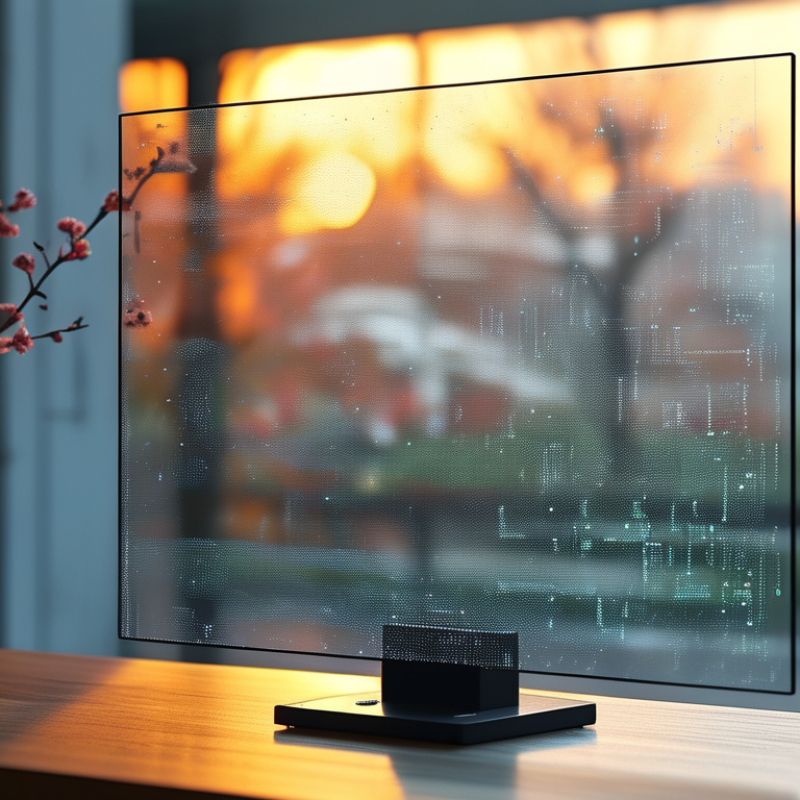
Definition of LCD Transparent Display and Its Key Features
LCD transparent displays are innovative devices that blend transparency with vibrant visuals. These displays can showcase information while allowing viewers to see through them. They are commonly used in retail, museums, and advertising, where engagement is key. This technology offers a unique viewing experience by merging digital content with the physical environment.
A primary feature of LCD transparent displays is their ability to maintain visibility even when the screen is off. The display can shift from a clear view to vibrant colors without obstruction. Additionally, touch capabilities enhance interactivity, appealing to consumers. The use of bright, crisp images contrasts with the transparent background, creating an eye-catching effect.
Tips: When considering LCD transparent displays, think about the lighting conditions in your environment. Bright backgrounds may disrupt visibility. Testing the display in the intended setting is vital. Remember, while the technology is impressive, it may not always deliver perfect results under certain circumstances. Evaluating your needs and expectations can ensure a successful implementation.
What is Lcd Transparent Display and How Does It Work? - Definition of LCD Transparent Display and Its Key Features
| Feature | Description |
| Transparency | Allows viewers to see through the display, maintaining visibility of the background while presenting information. |
| Display Technology | Utilizes liquid crystal technology to control light transmission, creating images that can be layered over a transparent medium. |
| Applications | Commonly used in retail displays, automotive windows, augmented reality applications, and more. |
| Advantages | Enhances customer engagement, provides informative layers of content, and saves physical space by integrating visuals with the environment. |
| Limitations | Potential visibility issues in bright lighting conditions and may require specific viewing angles for optimal clarity. |
Working Principles of LCD Technology in Transparent Displays
Transparent Lcd Displays are revolutionizing the way we interact with technology. Their operation hinges on liquid crystal display (LCD) technology, where light modulation occurs to create images. The core functionality involves liquid crystals between two panels of polarized glass. These crystals can be manipulated by electric currents, altering light passage.
In a transparent display, a backlight is often used to enhance visibility. According to a study by Smithers Pira, the transparent display market is projected to reach $4.8 billion by 2025. This growth stems from applications in advertising, retail, and automotive sectors. However, achieving clarity without noticeable reflections or distortions remains a challenge.
The design of transparent LCDs must balance transparency and image quality. Some users report that bright ambient light can wash out the displayed content. This imperfect performance prompts ongoing research to refine materials and designs. Modifying contrast levels and optimizing backlighting are areas that continue to evolve. Embracing these challenges may lead to breakthroughs in future transparent display technologies.
Performance Comparison of Transparent LCD Displays
This bar chart illustrates the performance metrics of transparent LCD displays, highlighting key factors such as brightness, contrast ratio, power consumption, and response time.
Applications of Transparent LCD Displays in Various Industries
Transparent LCD displays are gaining popularity across various industries. Their unique design allows for both visibility and functionality. These displays can show images while remaining see-through. This creates an excellent opportunity for innovative applications.
In retail, transparent LCDs enhance product displays. They provide engaging visuals without obstructing the merchandise. Imagine a glass showcase that not only shows a product but also displays dynamic ads. This dual functionality captures customer attention. In automotive design, transparent screens serve as heads-up displays. Drivers can see essential information without looking away from the road. This design improves safety and reduces distractions.
Transparent LCDs are also used in museums. They show information while allowing viewers to see artifacts behind the screen. This approach preserves the viewing experience without compromising knowledge. However, there are challenges. Lighting conditions can affect visibility. Moreover, content must be carefully designed to ensure legibility. Despite these issues, the potential of transparent LCDs in various fields is immense.
Advantages and Limitations of Using Transparent LCD Displays
Transparent LCD displays have gained attention for their unique ability to blend digital visuals with real-world environments. One key advantage is their versatility. These displays can be used in various settings, from retail to museums. According to a recent industry report, the market for transparent displays is expected to grow by 30% annually, highlighting their increasing demand.
However, these displays come with limitations. The brightness often decreases when viewed at an angle. This can make them less effective in brightly lit environments. Studies indicate that the optimal viewing angle is crucial for maintaining display quality. Furthermore, production costs remain high, which can deter widespread adoption in smaller businesses.
Despite these challenges, the potential applications are exciting. For instance, companies are exploring augmented reality experiences that integrate with transparent displays. This innovation brings both opportunity and a call for deeper understanding. Balancing the benefits with the inherent limitations invites further exploration in this evolving technology landscape.
Future Trends and Innovations in Transparent Display Technology
Transparent display technology is rapidly evolving. It holds immense potential across various sectors. From retail to automotive, these displays enhance user interaction. They allow users to see through the screen, merging the digital and physical worlds. This innovation makes new applications possible, such as augmented reality in everyday life.
Future trends suggest a significant rise in transparent OLED displays. These screens could create immersive experiences in advertising and smart homes. Researchers are experimenting with flexible, rollable displays. This could revolutionize how we design integrated spaces. The idea of wearable transparent displays also excites the tech community. Imagine a pair of glasses that displays information without obstructing your view.
Tips: Consider the space where you want to use transparent displays. Placement matters. Ensure the lighting complements the transparent feature. The interaction should be seamless. Also, think about durability. While attractive, these screens need to withstand daily use. This is a challenge that requires innovative solutions. Planning ahead can lead to successful implementations.