What Is an LSX Series Flexible LED Display?

Blog

What Is an LSX Series Flexible LED Display?

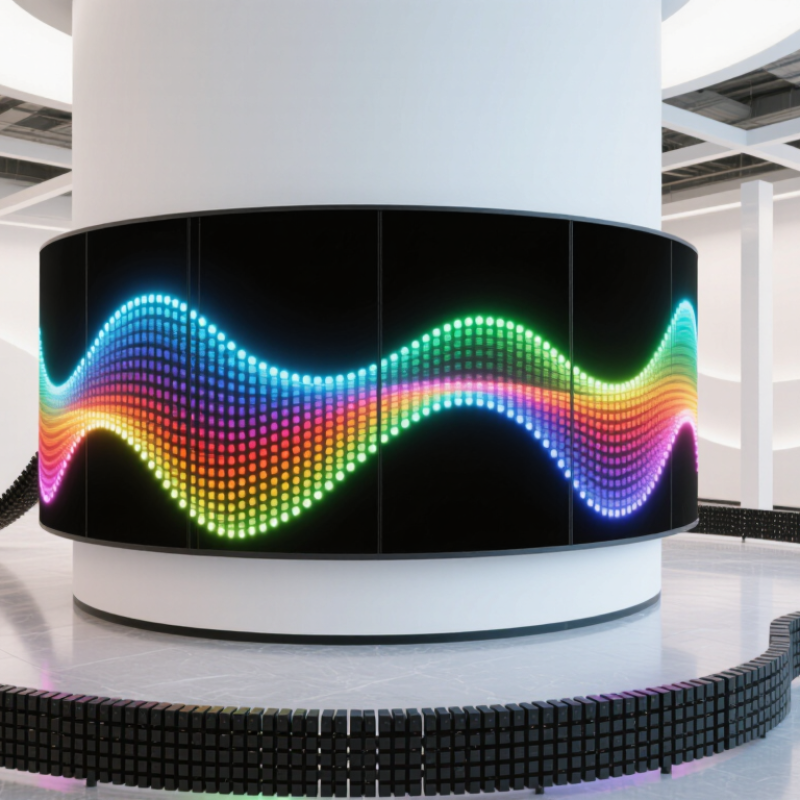
An LSX Series · Flexible LED Display is designed for visual spaces where a rigid screen may not fit. Its flexible structure can follow selected curves, wrap around columns, or create rounded display surfaces. Imagine a bright image tracing a lobby wall rather than stopping at a sharp corner. That shape can make a display feel integrated with its surroundings. Still, flexibility is not magic. The installation surface, panel design, and permitted bend radius all matter.

This introduction explains what the LSX Series is and how flexible LED technology works. It also outlines common uses, key design considerations, and questions buyers should ask before choosing a display. Practical details matter. Resolution, brightness, viewing distance, maintenance access, and control systems can affect the final result. Product specifications vary, so confirm them with the manufacturer or supplier instead of assuming every model supports the same curve or installation method. A smooth image depends on more than the screen alone. Content design and careful alignment matter too. Even a striking curved display can disappoint if its pixels, seams, or service access are overlooked. Flexible screens open creative options, but the best choice still depends on the venue, budget, and intended use. Sometimes a simpler flat screen is the better answer.
What Is an LSX Series Flexible LED Display?

Definition and Core Purpose of an LSX Series Flexible LED Display

An LSX Series flexible LED display is a modular screen designed to bend around approved curves rather than remain flat. Its LED modules use a flexible structure that follows a planned contour, such as a rounded column or a wave-shaped wall. The exact bending limits depend on the model, so “flexible” does not mean foldable or suitable for every shape. That distinction matters.

Its core purpose is to show bright, moving images on surfaces where a conventional flat display would look out of place. Installers can shape the screen to fit a venue feature, creating a wider viewing field from different angles. The display still needs careful planning: module alignment, pixel pitch, viewing distance, ventilation, and control equipment all affect the result. A curved screen may look seamless in a rendering, yet small gaps or uneven curves can be visible in person. That part is easy to underestimate.

Tips: Confirm the minimum bend radius and installation method in the product documentation before designing the frame. Check content on the actual curve, not only on a flat monitor. Leave access for servicing. A flexible display is adaptable, but it is not maintenance-free.

LSX Series Flexible LED Display: Pixel Pitch and Approximate Viewing Distance

Flexible LED displays use bendable modules to create curved or other non-flat screen surfaces. This chart shows a general rule of thumb: a viewing distance in metres is roughly equal to pixel pitch in millimetres. These illustrative values are not specifications for a particular display.

Display Structure and Flexible Panel Design

An LSX series flexible LED display is built from slim panels that can follow a shaped frame rather than a flat wall. Each panel holds rows of LED pixels on a flexible circuit layer, supported by a compact backing structure. The pixels create the image; the panel design lets installers form gentle curves. The curve is the point.

Flexible panels still need firm, even support. During installation, technicians align panel edges and connect power and data cables behind the display. A small gap or uneven pressure can make the surface look irregular, especially in bright scenes with pale backgrounds. Not magic, though. The display’s usable curve depends on the panel construction and the frame, so installers should follow the specified minimum bend radius instead of forcing a tighter shape.

The modular structure also affects servicing. If one section develops a fault, access to that panel and its connectors can matter more than the display’s overall size. In practice, a curved screen may suit a reception wall, product feature, or rounded column, but the viewing distance and content should be checked on site. Fine text can appear distorted across a tight bend. It is easy to overlook that. Flexible design creates options, but it does not remove the need for careful measurements and a stable mounting surface.

How the LSX Series Produces and Controls Images

An LSX Series flexible LED display creates images from many small pixels, each made up of red, green, and blue light-emitting diodes. By adjusting each color’s brightness, the display can produce a wide range of colors and shades. A close-up reveals the structure: tiny points of light arranged in a regular grid. From a normal viewing distance, those points blend into text, photographs, or moving video.

A control system turns image data into instructions for those pixels. The video source sends frames to a controller, which maps image locations to display modules and refreshes the LEDs repeatedly. Timing matters. If the mapping or refresh settings are wrong, edges may look uneven or motion may flicker. Brightness controls also help the image remain legible in changing ambient light, though higher brightness can increase power use and heat. Flexible panels can follow curved surfaces, but bending them changes the viewing angle and may affect how evenly the image appears. Small adjustments matter. Calibration is not always perfect, especially across a large installation, so technicians may need to compare test patterns and make corrections by eye.

Key Features and Performance Considerations

What Is an LSX Series Flexible LED Display?

Key Features and Performance Considerations

An LSX series flexible LED display uses bendable modules to form curved or shaped screen surfaces. It can suit columns, rounded walls, and stage designs where flat panels leave visible gaps. Flexibility is the main advantage. But it does not mean every curve is safe. Check the model’s minimum bending radius and installation guidance before planning a shape. A tight curve may strain connections or distort the image.

Performance depends on more than pixel pitch. Viewing distance, brightness, refresh rate, and color consistency all affect the result. For example, a bright lobby may need more output than a dim event space. Look for even color across modules and inspect gradients or fine text at the intended viewing distance. Heat, dust, and repeated handling can also affect long-term reliability. Specifications vary by model, so confirm them with the product documentation and test a sample when possible. One detail is easy to miss: a visually smooth curve can still create awkward viewing angles.

Tips: Measure the structure first. Keep cables accessible, and avoid forcing modules into position. Test the display after installation, not only before it. Small alignment flaws can become obvious on a large screen.

Common Applications of LSX Series Flexible LED Displays

An LSX Series flexible LED display uses bendable modules to create curved or shaped digital screens. Its main advantage is fitting spaces that flat panels cannot serve easily. Think of a narrow column wrapped in moving graphics, or a curved feature wall beside a store entrance. The display can make products more visible without adding bulky structures. Not every curve works. Designers need to check the intended radius, support frame, viewing distance, and service access before choosing a layout.

Common applications include retail interiors, exhibition booths, event stages, and architectural features. In a shop, curved panels can guide attention toward a window display or seasonal promotion. At trade shows, they can form a rounded backdrop that remains visible from several directions. Event teams may use them for stage scenery, where changing visuals can match different speakers or performances. Museums and visitor centers can use shaped screens to add context around displays, though content should remain readable from nearby viewing positions. A dramatic curve is not always better. Bright ambient light, close viewing, and maintenance needs can affect the result. Careful planning matters as much as the screen itself.

What Is an LSX Series Flexible LED Display? - Common Applications of LSX Series Flexible LED Displays
Application Typical Display Shape Why Use a Flexible LED Display? Common Content Planning Considerations
Curved stage backdrops Concave, convex, or gently curved background Can follow a curved stage design where a flat display would not match the structure. Live video, event graphics, speaker names, and scenic visuals Confirm the display’s permitted bend direction and minimum bend radius; plan viewing distance and camera angles.
Retail and shopping environments Curved feature walls, rounded columns, or shaped promotional displays Helps integrate digital content with architectural features and product displays. Product videos, promotions, brand-neutral information, and seasonal campaigns Check ambient light, service access, ventilation, and safe mounting around public areas.
Exhibitions and trade shows Curved booth walls, compact display corners, or custom-shaped installations Enables a distinctive layout while making better use of limited booth space. Product demonstrations, diagrams, event schedules, and motion graphics Verify structural support, power distribution, transport protection, and setup time before the event.
Broadcast and production sets Curved studio backgrounds or shaped set elements Can create a continuous visual background that suits the set design. Studio graphics, virtual scenery, live data, and background visuals Test refresh behavior and camera compatibility to reduce visible flicker or scan artifacts.
Museums and visitor experiences Curved interpretive walls or immersive interior features Allows digital storytelling to follow the shape of an exhibit or visitor route. Educational media, maps, timelines, and interactive visual content Consider viewing distance, brightness comfort, content legibility, and access for maintenance.
Architectural interior features Curved lobby walls, interior columns, or custom decorative surfaces Supports curved designs that can be difficult to achieve with rigid flat panels. Wayfinding, public information, ambient visuals, and scheduled announcements Coordinate mounting, heat management, electrical requirements, and building safety requirements.
Temporary event installations Portable curved screens or modular scenic elements Flexible modules can help form non-flat layouts for concerts, launches, and live events. Event visuals, live camera feeds, sponsor messages, and transitions Use a suitable support frame and follow the manufacturer’s handling, connection, and operating instructions.

Note: “Flexible LED display” generally refers to LED modules designed to form specified curves. Available shapes, pixel pitch, brightness, viewing angle, environmental rating, and minimum bend radius depend on the actual model. Confirm technical specifications and installation requirements before selecting a display.