Olylife Foot therapy is presented as a foot-focused wellness approach, but its exact method depends on the device and treatment protocol. Before describing how it works, readers should check the model’s instructions and distinguish manufacturer claims from independently tested findings. Small details matter: where the feet rest, how long a session lasts, and whether warmth, pressure, or vibration is involved.
Interest in foot care is easy to understand. The American Podiatric Medical Association’s 2014 survey reported that 77% of U.S. adults had experienced foot problems. That figure describes reported experience; it does not prove that any particular therapy prevents or treats those problems. The World Health Organization’s 2022 Global Status Report on Physical Activity also estimated that 31% of adults worldwide were insufficiently active. This is broader health context, not evidence for Olylife Foot specifically.
A reliable explanation should therefore examine the product’s stated mechanism, available clinical research, and appropriate safety guidance. What does a session actually feel like? Which benefits have been tested, and which remain promotional claims? No verifiable Olylife Foot specialist quotation or product-specific industry report was supplied for this introduction, so I will not invent an expert’s name or words. That limitation deserves attention. Readers with persistent pain, numbness, wounds, or circulation concerns should seek advice from a qualified healthcare professional before relying on a foot-therapy device.
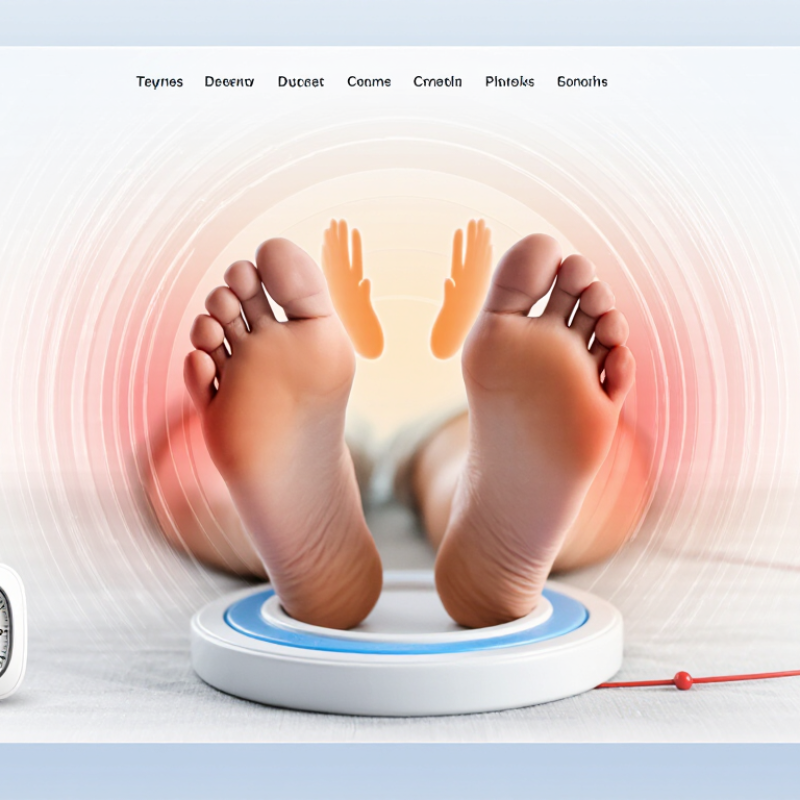
Olylife foot therapy refers to a foot-focused wellness session that uses a device or hands-on technique to provide warmth, gentle pressure, or massage-like sensations. The exact approach depends on the equipment. Some devices have textured surfaces, adjustable settings, or areas that warm the soles. A session may feel like steady pressure beneath the arch, a soft vibration near the heel, or warmth around the toes.
It is not one standardized medical treatment. Claims about specific health benefits should be checked against reliable evidence, rather than inferred from how relaxing a session feels. Comfort matters. A pleasant sensation does not prove that a therapy treats a condition or improves circulation. People with reduced sensation, foot wounds, diabetes, or circulation problems should ask a qualified health professional before using heat or pressure devices.
A sensible session begins with clean, dry feet and a low setting. Increase intensity only if it remains comfortable, and stop if you notice pain, numbness, burning, or unusual skin changes. Instructions differ, so check the device guidance instead of assuming every model works the same way. That distinction is easy to miss. Foot therapy may offer a relaxing routine, but it should not replace an assessment or treatment for persistent symptoms.
| Type of Foot Therapy | How It Works | Common Purpose | Evidence and Considerations |
|---|---|---|---|
| Foot massage | Uses hand pressure or a massage tool on the soft tissues of the feet. | May temporarily ease tension and provide relaxation. | Can feel soothing, but it should not be assumed to treat an underlying medical condition. Avoid painful pressure or massaging an injured area. |
| Foot and ankle stretching | Gently moves the ankle and stretches the calf, toes, or sole of the foot. | Supports flexibility and movement; exercises may be included in care for some foot or ankle problems. | Exercises should suit the person’s condition. Stop if they cause sharp or worsening pain, and seek professional guidance for persistent symptoms. |
| Warm foot soak | Immerses the feet in comfortably warm water for a short period. | May provide comfort and relaxation. | A soak is not a proven treatment for circulation problems or disease. People with reduced foot sensation, including some people with diabetes, should avoid hot water and check with a healthcare professional. |
| Reflexology | Applies pressure to particular areas of the feet based on the practice’s proposed body maps. | Often chosen for relaxation or subjective relief. | Claims that specific foot points diagnose or treat organs are not established by reliable scientific evidence. It should not replace medical care. |
| Compression garments | Provide graduated pressure around the foot or lower leg to help manage swelling in selected situations. | May be recommended for certain circulation or swelling conditions. | Fit and suitability matter. A clinician should advise whether compression is appropriate, particularly for people with known vascular disease or unexplained swelling. |
| Electrical nerve stimulation (TENS) | A device sends mild electrical impulses through skin electrodes to stimulate nerves. | May be used for temporary pain relief in some circumstances. | Results vary, and it does not address every cause of foot pain. Follow device instructions and ask a healthcare professional about safety if you have an implanted electronic device or reduced sensation. |
Note: “Foot therapy” can refer to different comfort, exercise, or clinical approaches; the term alone does not identify a specific treatment or prove that it is effective. Persistent pain, numbness, wounds, or unexplained swelling should be assessed by a healthcare professional.