What is a Patrol Vehicle and Its Key Features?
Patrol Vehicles are vital for maintaining public safety. These specially designed cars serve a key role in law enforcement operations. According to a 2022 report by the International Association of Chiefs of Police, approximately 76% of police departments utilize patrol vehicles as frontline response units.
Key features of patrol vehicles include advanced communication systems, emergency lights, and specialized storage for equipment. The integration of technology enhances their operational effectiveness. However, improving vehicle ergonomics for officers remains a challenge. Many departments find that user-friendly designs can significantly boost officer performance and safety.
While patrol vehicles are essential, the sustainability of their fuel sources is under scrutiny. Electric patrol vehicles are emerging, though infrastructure for charging is limited in many areas. This transition raises questions about the future of traditional patrol vehicles. The balancing act between functionality and innovation is ongoing, highlighting the need for continued assessment and adaptation in law enforcement strategies.
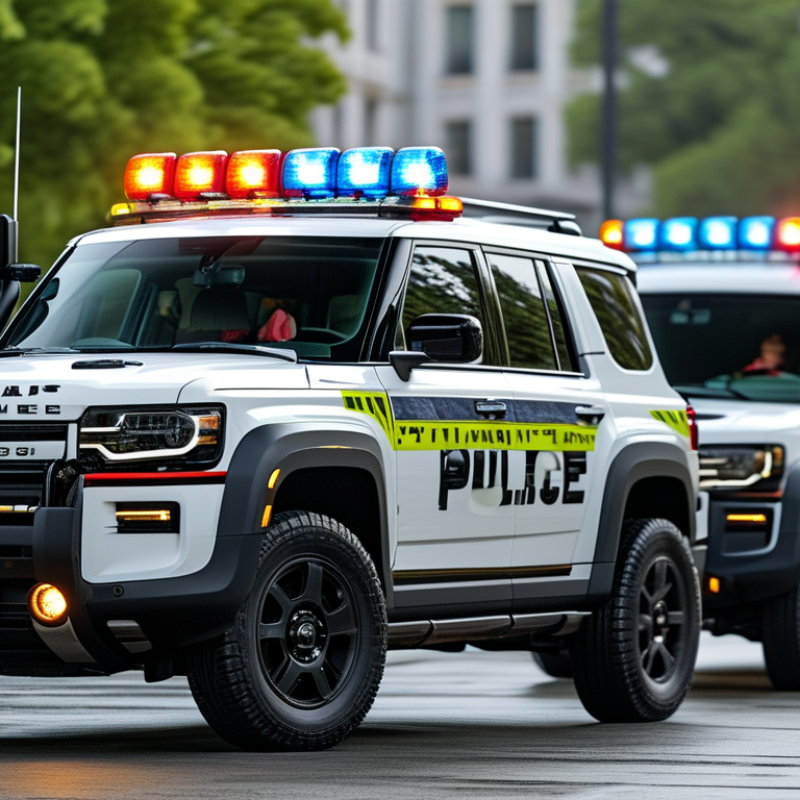
Definition of a Patrol Vehicle and Its Purpose
A patrol vehicle is a specialized car used by law enforcement agencies. Its main purpose is to maintain public safety and enforce laws. The design of these vehicles prioritizes visibility, speed, and functionality. Patrol vehicles are often equipped with flashing lights, sirens, and communication tools to respond quickly to incidents.
These vehicles can be seen patrolling neighborhoods, highways, and public areas. Officers use them to deter crime and provide a reassuring presence. They also assist in traffic management and emergency response. While patrol vehicles are effective tools, their reliance on technology raises questions. Are officers too dependent on these vehicles? Could community engagement provide better safety?
The features of a patrol vehicle are crucial for its operation. They often include reinforced exteriors and upgraded suspensions. These elements enhance durability and performance in various conditions. However, the increase in patrol vehicles on the roads can lead to tensions between communities and law enforcement. It’s important to reflect on how to balance efficiency with community trust.
Essential Features of Patrol Vehicles for Law Enforcement
Patrol vehicles play a vital role in law enforcement operations. They are specifically designed to support officers in their daily duties. Essential features of these vehicles enhance the effectiveness and safety of police work. According to a report from the National Institute of Justice, 75% of officers rely on their patrol vehicles for quick response to emergencies.
One key feature is the communication system. It allows officers to stay connected with dispatch and other units. Effective communication significantly boosts response times. Well-equipped patrol vehicles also have robust safety features. This includes reinforced bumpers and advanced lighting systems. Research shows that such enhancements reduce the risk of injury during high-speed pursuits.
Another feature is storage. Officers need ample space for equipment and evidence. Proper organization can impede or support police operations. However, not all vehicles meet these storage needs adequately. This raises concerns about efficiency. The design of patrol vehicles must evolve to meet modern demands. Regular assessments can help identify shortcomings in current models. Enhancing these vehicles is crucial for effective law enforcement.
Key Features of Patrol Vehicles for Law Enforcement
Types of Patrol Vehicles Used by Different Agencies
Patrol vehicles serve crucial roles in maintaining public safety. Different agencies utilize a variety of patrol vehicles tailored to their specific needs. Law enforcement agencies often opt for sedans and SUVs due to their maneuverability and space. According to a report by the National Highway Traffic Safety Administration, 73% of police departments in the U.S. use SUVs for patrol.
Fire departments have unique needs, with fire trucks designed for rapid response. These vehicles typically have larger capacities and are heavily equipped. Interestingly, they also incorporate technology to enhance communication with dispatch. In a survey by the International Association of Fire Fighters, over 60% of respondents indicated that improving vehicle tech would be a priority.
Ambulances feature built-in medical equipment. Many agencies express concern over maintaining these vehicles. High maintenance costs are common, often exceeding budgets. Some agencies are considering electric vehicles to reduce costs and environmental impact. The shift towards sustainability is not without challenges, as infrastructure must adapt too.
Technology and Equipment Commonly Found in Patrol Vehicles
Patrol vehicles are equipped with a variety of technology and equipment that enhance their functionality. These vehicles typically feature advanced communication systems. Officers can quickly relay information to dispatchers or fellow officers. This ability is crucial for coordinating responses in real time.
Additionally, patrol vehicles often include surveillance tools. Dash cameras and body cameras are standard in many units, capturing vital evidence during incidents. These tools help establish accountability and provide clarity in various situations. Some vehicles may also have automated license plate recognition systems to assist in identifying wanted vehicles.
The integration of modern technology comes with challenges. Not all officers are trained to use every system effectively. There can be tech glitches that hinder operations. Furthermore, the reliance on technology might overshadow traditional policing skills. Balancing these elements is essential for effective patrol operations, making continual training and adaptations important.
Safety and Design Considerations for Patrol Vehicle Operations
Patrol vehicles serve a critical role in ensuring public safety. Their design considers multiple factors to enhance operational effectiveness. Safety is paramount; hence, features such as reinforced structures and high-visibility paint are common. Officers need to remain safe while performing their duties. This means secure storage for equipment and a comfortable interior for long hours on duty.
Tip: Officers should ensure all equipment is easily accessible. This promotes efficiency during emergencies. Regular training on vehicle operations can help officers adapt to new technologies and features.
Design must also encompass functionality. Lighting systems, cameras, and communication tools improve situational awareness. However, excessive tech can lead to distractions. It's vital to strike a balance for peak performance.
Tip: Regularly evaluate the patrol vehicle setup. Make changes based on real-time feedback. Officers should share insights from their experiences for continuous improvement.