What is PCB Assembly and Why Is It Important for Buyers?
PCB assembly is a critical process in the electronics industry. It involves assembling electronic components onto a printed circuit board. This process is crucial for the functionality of electronic devices. Without efficient PCB assembly, the quality and reliability of products suffer.
Buyers must understand the importance of PCB assembly. High-quality assembly ensures that devices meet performance standards. Additionally, a well-assembled PCB enhances product durability. Investing in reliable PCB assembly services saves time and reduces costs in the long run.
Moreover, buyers should consider the expertise of their PCB assembly partners. Skilled manufacturers use advanced techniques for optimal results. They minimize errors and improve assembly efficiencies. However, not every provider meets these standards. It’s essential for buyers to conduct thorough evaluations. This diligence can lead to better partnerships and superior product outcomes.
What is PCB Assembly? An Overview of the Process and Components
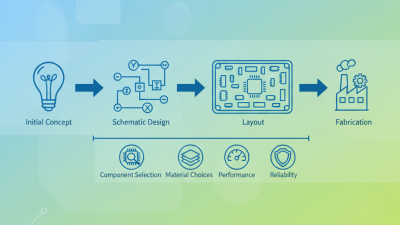
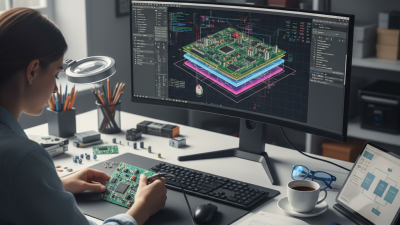
PCB assembly is a critical process in electronics manufacturing. It involves assembling various components onto a printed circuit board (PCB). The process begins with the design of the PCB layout using computer-aided design (CAD) software. This ensures all components will fit perfectly and function correctly.
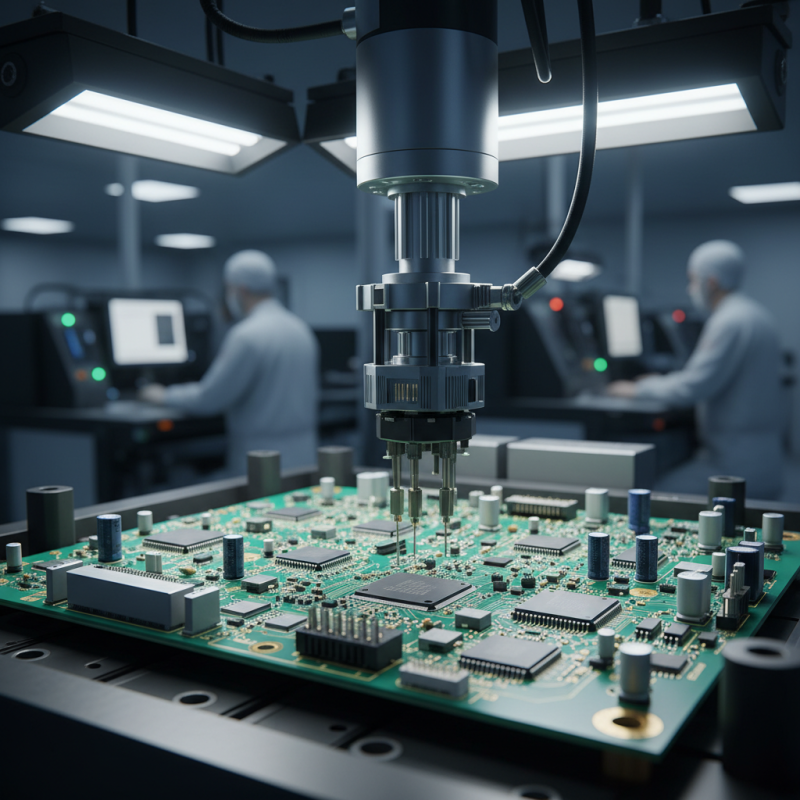
After the design phase, the PCB is fabricated, which involves printing the circuit on the board. Once the board is made, components like resistors and capacitors are placed onto it. This step is often done using automated machinery for precision. Soldering is the next crucial aspect. It secures the components to the board. There are different methods for soldering, including wave soldering and reflow soldering.
Component choices directly impact the performance of the final product. Buyers must understand the specifications of each part. Some components may not be suitable for every application. Often, compromises are necessary. Understanding these details helps in making informed decisions. Additionally, frequent testing and quality assurance throughout the assembly process are essential. This ensures the final product is reliable and meets industry standards.
Key Benefits of PCB Assembly for Electronic Product Development
PCB assembly is a crucial process in electronic product development. It involves the manufacturing of printed circuit boards (PCBs) that serve as the backbone of electronic devices. Designers create intricate layouts to accommodate various components. A well-assembled PCB can enhance product functionality and reliability significantly.
One key benefit of effective PCB assembly is cost reduction. By optimizing manufacturing processes, businesses can minimize waste. This efficiency often leads to lower production costs, which is essential for competitive pricing. Furthermore, quick turnaround times enhance market responsiveness. However, shortcuts in assembly may result in defects, potentially harming a product's reputation.
Quality assurance in PCB assembly also enhances durability. Rigorous testing ensures that each board meets specific electrical and mechanical requirements. Despite the critical nature of QA, some manufacturers overlook this phase, leading to issues later in production. Investing in skilled labor and advanced technology is vital for achieving high-quality output. As firms navigate these challenges, a strong grasp of PCB assembly can lead to better products and satisfied customers.
What is PCB Assembly and Why Is It Important for Buyers? - Key Benefits of PCB Assembly for Electronic Product Development
| Benefit |
Description |
Importance for Buyers |
| Cost Efficiency |
PCB assembly reduces labor costs and manufacturing expenses through automation and streamlined processes. |
Lower production costs allow for competitive pricing in the market. |
| Quality Assurance |
Professional PCB assembly services provide rigorous quality control and testing. |
Higher reliability and lower return rates enhance customer satisfaction. |
| Faster Time to Market |
Efficient assembly processes expedite product readiness for launch. |
Quicker product release enhances market competitiveness. |
| Design Flexibility |
Flexible assembly options cater to various design complexities and sizes. |
Adaptability in designs meets diverse consumer needs and preferences. |
| Scalability |
Easy to scale production up or down based on demand. |
Helps manage inventory costs and ensures supply meets demand. |
Factors Buyers Should Consider When Choosing PCB Assembly Partners
When choosing PCB assembly partners, buyers should consider several critical factors. The first is experience. A partner with a proven track record can ensure quality. Look for companies that have successfully completed projects similar to yours. Their past work reflects their capabilities and reliability.
Another factor is communication. Effective communication fosters collaboration. Ensure that your potential partner is responsive and transparent. Discuss timelines and milestones upfront to avoid delays. Misunderstandings can lead to costly errors. Establishing clear lines of communication is vital.
Tips: Always ask for references. Speaking to past clients can provide insights into the partner’s performance. Ensure they are willing to share success stories and challenges.
Additionally, consider their technological capabilities. Advanced machinery and software can enhance the quality of assembly. A partner with state-of-the-art equipment is likely to deliver better results. Assess their commitment to continuous improvement. Companies that invest in the latest technology often stay ahead of industry trends.
Tips: Check for certifications. Relevant certifications indicate a commitment to high standards. They assure you that your partner adheres to industry best practices.
Importance of PCB Assembly Factors for Buyers
This chart illustrates the importance level of various factors that buyers should consider when choosing PCB assembly partners. The ratings are based on a scale from 1 to 10, reflecting the significance of cost, quality, turnaround time, support, and technology in the decision-making process.
Future Trends in PCB Assembly: Technology Innovations and Sustainability
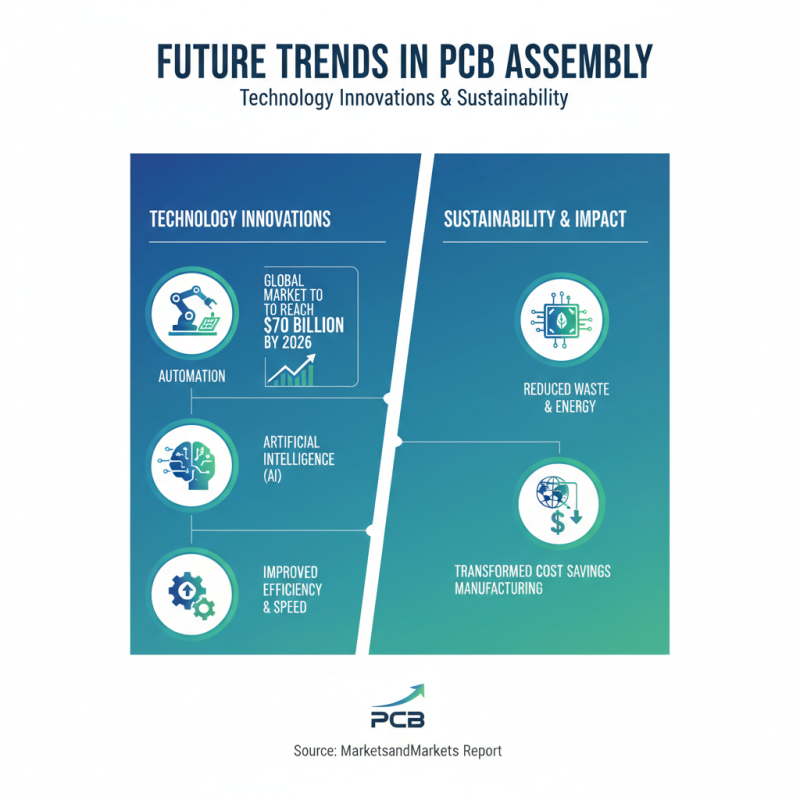
The advancements in PCB assembly are transforming manufacturing processes. A report by MarketsandMarkets predicts that the global market for PCB assembly will reach $70 billion by 2026, driven by technology innovations. Automation and artificial intelligence are increasingly integrated into production lines. These technologies improve efficiency and reduce production time, leading to cost savings.
Sustainability is also a key concern in PCB assembly. The push for eco-friendly materials is growing. According to a study by IPC, over 65% of companies are investing in sustainable practices. These include using lead-free solder and recyclable materials. While these innovations are promising, challenges remain in the supply chain. Ensuring that all materials meet stringent environmental standards can complicate production.
Buyers must stay informed about these trends. Understanding the impact of technology and sustainability will help in making better purchasing decisions. However, the fast-paced changes also present risks. Companies may struggle to keep up with new regulations and standards. Balancing innovation with sustainability is a complex task that requires ongoing adaptation.