What is Printed Board Assembly and How Does It Work?
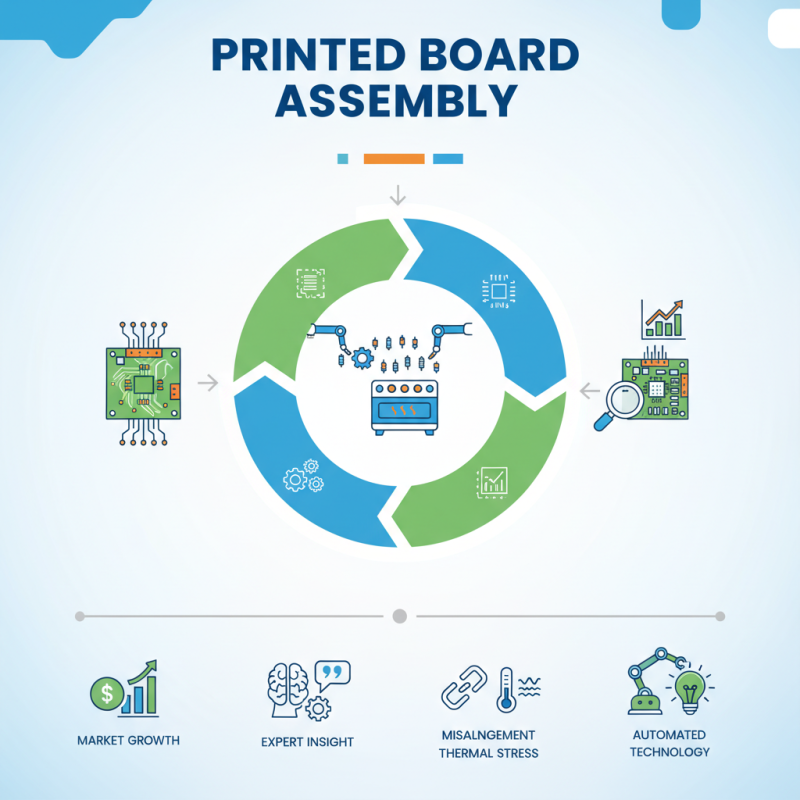
Printed Board Assembly (PBA) is a crucial process in the electronics manufacturing industry. As global demand for complex electronic devices grows, PBA has become increasingly vital. According to a recent report by IPC, the global PBA market is projected to reach $85 billion by 2025, underscoring its importance.
Experts emphasize the necessity of efficient assembly techniques. Dr. Linda Kim, a leading authority in electronics manufacturing, once said, "The effectiveness of printed board assembly directly impacts the reliability of electronic devices." This highlights how critical quality and precision are in PBA. However, challenges remain. Manufacturers often face issues like component misalignment and thermal stress during assembly, which can reduce overall quality.
While advancements in automated assembly technology are promising, the industry must reflect on these imperfections. Continuous innovation and adaptation are needed to meet ever-increasing consumer expectations. Overall, understanding printed board assembly is essential for anyone involved in electronics manufacturing today.
What is Printed Board Assembly?
Printed Board Assembly (PBA) is a crucial process in electronics manufacturing. It involves attaching electronic components to printed circuit boards (PCBs). This method simplifies the assembly of complex devices and reduces production time.
According to industry reports, the global market for PBA is projected to reach $60 billion by 2026, reflecting its growing significance.
The assembly process includes several steps: surface mount technology (SMT) and through-hole technology. SMT is favored for its efficiency and compact design. It allows more components to fit on a small board. Yet, some manufacturers report challenges with the precision of component placement. Inaccuracies in this step can lead to defects, affecting functionality. Studies suggest that 10% of assemblies may suffer from such issues, indicating room for improvement.
While automation has transformed PBA, human oversight remains vital. Operators must monitor the process, ensuring quality control. Skilled workers are essential, yet a gap in training can introduce errors. A recent survey indicated that up to 30% of companies face difficulties in finding adequately skilled technicians. As technology advances, the need for a well-trained workforce is more pressing than ever.
Key Components of Printed Board Assembly Explained
Printed Board Assembly (PBA) is an intricate process. It involves several key components that work together to create functional electronic devices. Understanding these components is essential to grasp how PBA operates.
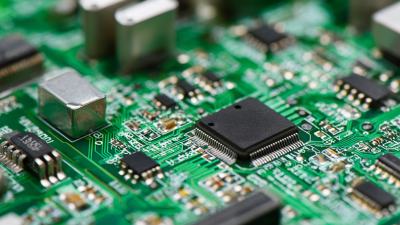
At the heart of PBA are printed circuit boards (PCBs). These boards provide a platform for electronic components. They are made from materials like fiberglass and epoxy resin. The surface of a PCB is covered with conductive pathways, which connect various parts. Components like resistors, capacitors, and microchips are mounted on these boards. They are soldered onto the surface, ensuring a secure connection.
Another crucial element is the solder itself. Soldering can be done manually or via machines. It melts and cools, forming a strong bond. However, achieving a perfect solder joint is not always simple. Inconsistent heating can lead to cold joints, which are weak. Moreover, the assembly process involves thorough testing. Some companies may overlook this step, leading to malfunctioning products. These details matter in ensuring quality and functionality in the final assembly.
The Step-by-Step Process of Printed Board Assembly
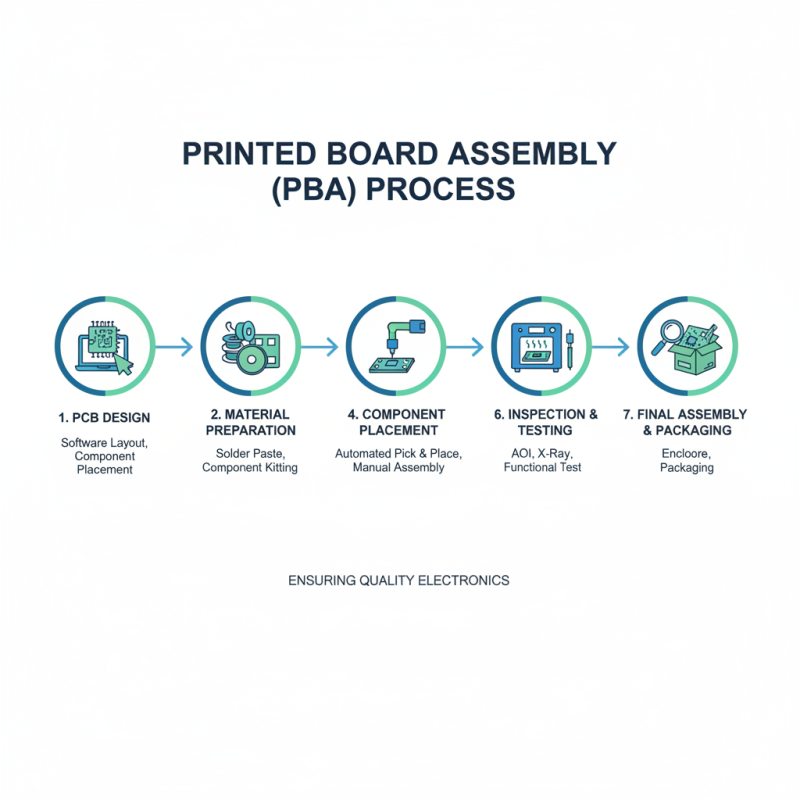
Printed Board Assembly (PBA) is a critical component in electronics manufacturing. The process involves several key steps to ensure functionality and quality. First, the printed circuit board (PCB) is designed using specialized software. Engineers create layouts, determining where each component should go. This stage is crucial for a well-functioning product.
Next, surface mount technology (SMT) is typically used. Components are placed on the surface of the PCB rather than inserted into holes. This has increased manufacturing efficiency by about 70% since the 1990s. After placement, solder paste is applied. An estimated 60% of assembly defects come from soldering issues. Hence, proper application is vital. The board is then heated to melt the solder, creating solid electrical connections.
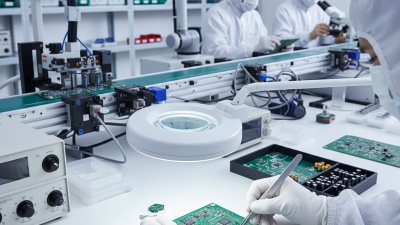
Following soldering, testing is conducted. Automated Optical Inspection (AOI) systems check for defects. Reports show that early detection of surface mount errors can reduce costs by nearly 30%. Despite advanced technology, human error remains a factor. Operators may miss subtle flaws that machines can catch. Continuous training and improvement methods are essential to address these challenges in the assembly line.
Common Techniques Used in Printed Board Assembly
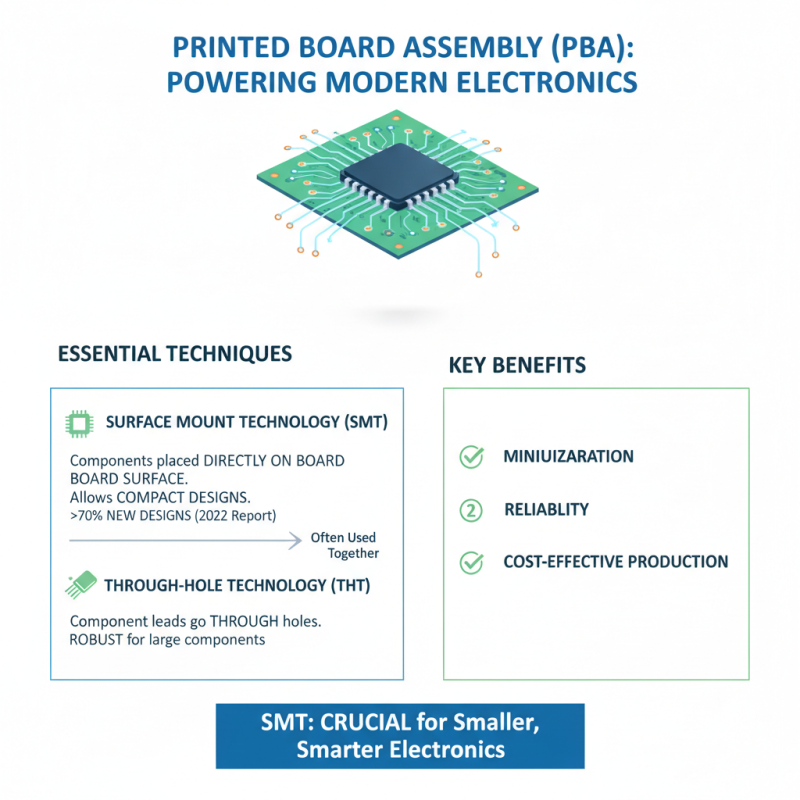
Printed Board Assembly (PBA) is essential for modern electronics. Several techniques make PBA efficient. Surface Mount Technology (SMT) and Through-Hole Technology (THT) are two common methods. SMT places components directly on the board surface. It allows for a compact design, which is becoming increasingly important. According to a 2022 industry report, over 70% of new designs use SMT.
THT, on the other hand, involves inserting components through holes in the board. This method offers durability and is ideal for larger components. However, it can take more time and is less space-efficient. Many manufacturers use a combination of both techniques. This hybrid approach balances performance and cost.
Tips: Regularly update assembly methods based on market trends. Small changes can improve efficiency dramatically. Always test prototypes before full-scale production. This step can save time and resources.
Despite advancements, issues can arise. Misalignment during SMT can lead to failures. Engineers must frequently address these challenges. Continuous learning and adaptation are vital in this field. Addressing imperfections in assembly processes can lead to significant improvements.
Quality Control in Printed Board Assembly Processes
Quality control in printed board assembly (PBA) processes is essential to ensure product reliability. Research suggests that around 30% of defects in PBA can occur due to soldering issues. This highlights the need for effective monitoring throughout the production cycle. Automated inspection systems, like Automated Optical Inspection (AOI), can reduce defects by up to 90%. These systems help identify misalignments, insufficient solder, or missing components.
Implementing regular training for technicians is also vital. A skilled workforce can make a significant difference. Industry data indicates that 70% of companies experiencing high defect rates often neglect workforce training. By prioritizing continuous education, companies can improve quality outcomes. Small steps, such as conducting weekly workshops, could lead to noticeable improvements.
Tip: Utilize data analytics to track defect patterns over time. Analyzing these trends will reveal areas needing attention. Continuous improvement is key. Don’t hesitate to reassess your quality control methods regularly. Small adjustments can lead to significant gains.
Printed Board Assembly Quality Control Metrics