What is a Printed PCB and How Does it Work?
A printed PCB is a vital component in modern electronics. It serves as the backbone for various devices, from smartphones to industrial machinery. This technology integrates electrical pathways and components onto a single board, simplifying complex circuits.
To understand how a printed PCB works, one must explore its layers. Each layer plays a significant role, providing space for connections and components. The process of designing and manufacturing these boards is intricate and requires precision. Despite advancements, there are still challenges in ensuring reliability and preventing manufacturing defects.
Building a printed PCB involves careful planning and execution. Designers must consider factors like signal integrity and thermal management. Errors can result in poor performance or failures. Addressing these issues necessitates a constant evaluation of techniques and materials. Ultimately, the evolution of printed PCBs continues, pushing the boundaries of electronic design.
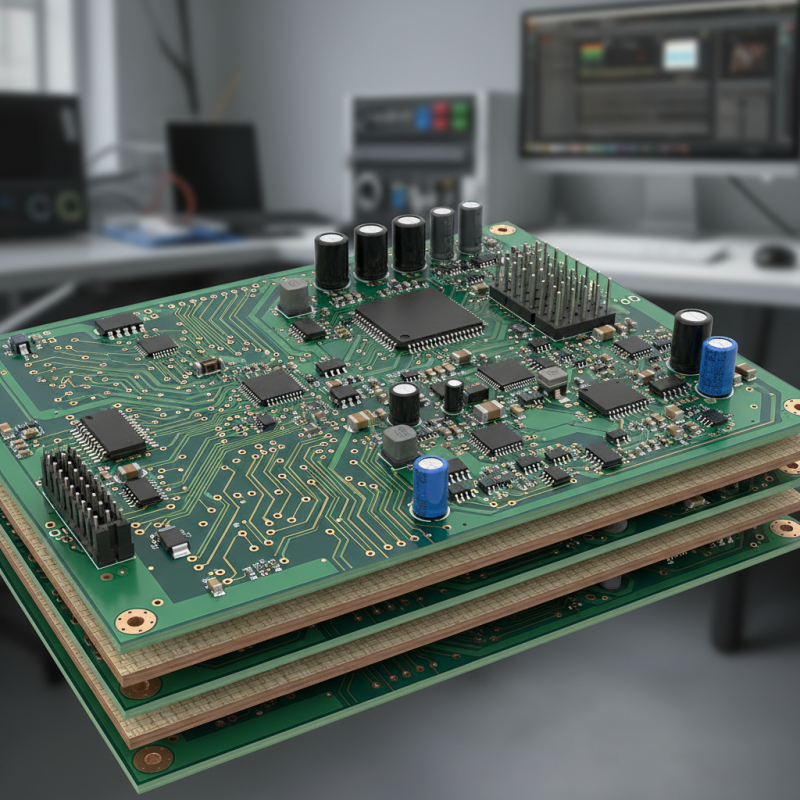
What is a Printed Circuit Board (PCB) and its Role in Electronics?
A printed circuit board (PCB) is a fundamental component in most electronic devices. It provides a physical platform for connecting electronic components. These boards consist of a non-conductive material, typically fiberglass. Copper traces are layered on top, forming electrical pathways for signals.
In electronics, the role of a PCB is crucial. It simplifies the assembly process of devices. Each component is soldered onto the board, allowing for efficient and organized layouts. Without PCBs, devices would be messy and complicated. They help reduce errors by providing clear routes for signals to travel.
However, designing a PCB can be challenging. Mistakes in the layout can lead to short circuits or failure. Testing and validation require time and resources. Each design needs careful consideration of size, component placement, and thermal management. Balancing performance and cost is not easy. Acknowledging these difficulties is essential for innovation in electronic design.
Historical Evolution of Printed Circuit Boards in the Electronics Industry
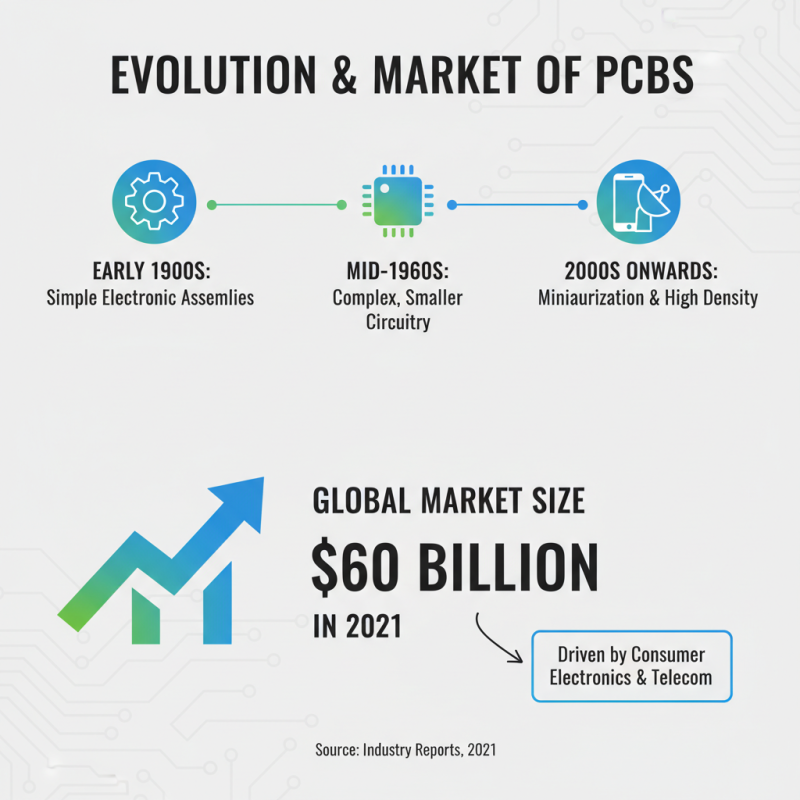
The evolution of printed circuit boards (PCBs) traces back to the early 20th century. The concept grew from simple electronic assemblies to complex circuitry as technology advanced. By the mid-1960s, the demand for smaller, more reliable electronic components surged. According to industry reports, the PCB market size reached approximately $60 billion in 2021, reflecting a significant increase driven by innovations in consumer electronics and telecommunications.
As industries adopted PCBs, issues arose. The reliability of early boards was questionable. Many suffered from short circuits and thermal breakdowns. In the 1980s, the introduction of multilayer PCBs improved performance but created new challenges, such as complexity in design and increased production costs. Recent studies show that around 40% of PCB manufacturing defects arise from design flaws. This highlights a critical need for better design practices.
Today, smart technologies are reshaping the PCB landscape. Advancements in materials and manufacturing techniques hold promise. However, keeping pace with rapid technological changes is challenging. Reports suggest that as we innovate, nearly half of the new PCB designs will face reliability issues unless addressed proactively. The journey of PCBs is a testament to both innovation and the ongoing struggle for improvement.
The Materials Used in PCB Manufacturing and Their Impact on Performance
In PCB manufacturing, the choice of materials is crucial. Common materials include epoxy resin, copper, and fiberglass. Epoxy resin is often used as it provides excellent insulation. It's durable and can withstand temperature changes. Copper serves as the primary conductor of electricity on the board. The thickness of copper can impact performance.
Fiberglass is used as a substrate because it is strong and lightweight. However, the quality of these materials can vary significantly. Low-quality materials may lead to poor conductivity. This can affect the overall efficiency of the printed circuit board. Designers should carefully evaluate material properties to avoid costly failures.
Additionally, environmental factors play a role. For example, humidity can weaken PCB performance. Choices made during manufacturing may not always align with performance expectations. This requires constant reflection and adjustment in the design process. Ultimately, the materials chosen can greatly influence the lifespan and functionality of PCBs.
Understanding PCB Design: Key Principles and Design Software Tools
PCB design is a critical part of modern electronics. It involves creating the physical layout for circuit boards that hold electronic components. According to recent industry reports, the global PCB market is projected to reach $85 billion by 2027, reflecting a significant trend towards miniaturization and complexity in electronic devices.
Key principles of PCB design involve understanding electrical schematics, signal integrity, and thermal management. Designers often rely on specialized software tools like Altium Designer or Eagle, which assist in visualizing intricate designs. The challenge arises when balancing component density with manufacturability. Errors in layout can lead to costly production delays and design reworks.
Despite advancements in design tools, many designers still overlook crucial aspects. For example, thermal issues are often neglected, leading to failures in high-demand scenarios. Additionally, the rise of IoT devices means more components packed onto smaller boards. This adds complexity and room for mistakes. Continual reflection and learning from past design iterations are vital for improving PCB quality.
Understanding PCB Production Trends
Common Applications of PCBs in Modern Technology and Statistics on Usage
Printed circuit boards (PCBs) are essential in modern technology. Their applications span various industries. In consumer electronics, approximately 90% of devices utilize PCBs. Smartphones, computers, and tablets rely heavily on this technology for efficient performance.
Recent reports indicate that the global PCB market is projected to reach over $80 billion by 2026. This growth reflects the increasing demand for electronic devices and innovations in technology. The automotive industry is also adopting PCBs rapidly. Advanced driver-assistance systems (ADAS) are becoming common in vehicles. A surprising 30% of future cars will depend on complex PCB designs.
Biomedical applications make up another growing segment. Devices like pacemakers and diagnostic machines rely on PCBs. However, challenges remain. Sustainability issues arise as electronic waste increases. Many companies struggle to create eco-friendly solutions. The need for recycling and responsible disposal becomes crucial. As technology evolves, so does the responsibility to address these concerns.
What is a Printed PCB and How Does it Work? - Common Applications of PCBs in Modern Technology and Statistics on Usage
| Application |
Usage Percentage |
Description |
| Consumer Electronics |
40% |
PCBs are utilized in devices like smartphones, tablets, and gaming consoles. |
| Automotive |
25% |
Used in various components like engine control units and infotainment systems. |
| Medical Devices |
15% |
Essential for devices such as imaging systems and diagnostic equipment. |
| Industrial Applications |
10% |
Used in automation, robotics, and control systems. |
| Telecommunications |
10% |
Found in network equipment, routers, and switchboards. |