What Is a Silent Diesel Generator Set?

Blog

What Is a Silent Diesel Generator Set?

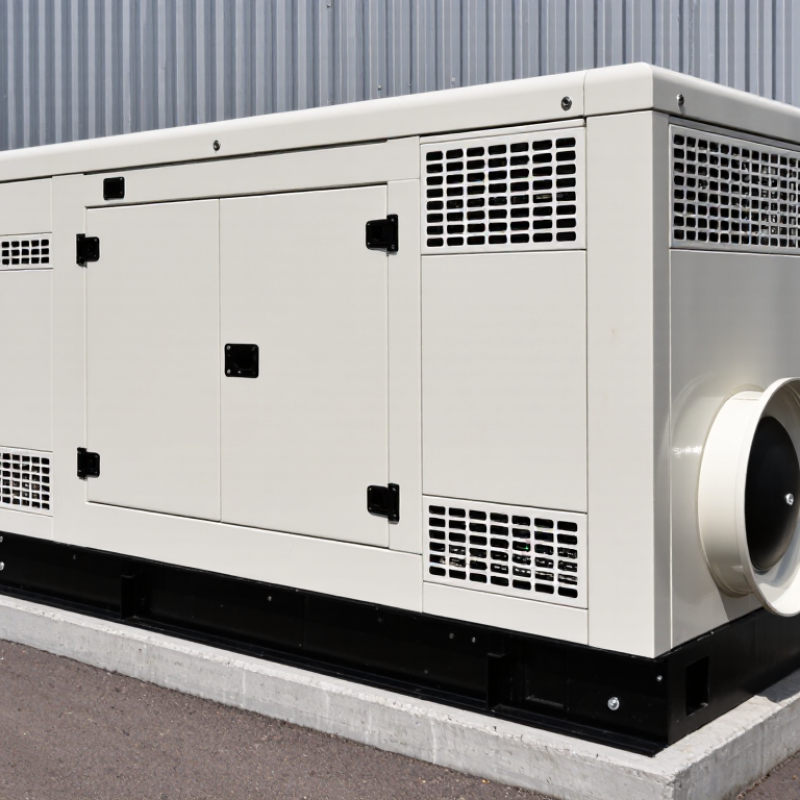
A Silent Diesel Generator Set is a diesel-powered unit designed to reduce operating noise through an acoustic enclosure and carefully managed airflow. It still contains the familiar essentials: an engine, alternator, fuel system, cooling equipment, and controls. The difference is in how these parts are packaged. Open-frame sets expose much of the machinery; silent models place it behind lined panels, with vents and an exhaust silencer shaped to limit noise without restricting cooling.

A useful perspective comes from Daniel Mercer, a fictional composite generator applications specialist: “Quiet operation depends on balancing sound control with airflow, not simply enclosing the engine.” That distinction matters. Air must reach the radiator, hot air must escape, and service panels must remain accessible. On a real site, the set may stand beside a warehouse wall or near a work area. Its enclosure can soften engine and exhaust noise, but it cannot erase every vibration or sound.

The label “silent” can mislead. No diesel generator is literally silent, and actual noise depends on load, distance, installation, and surroundings. A loose panel may rattle. A poorly placed exhaust outlet can direct sound toward nearby people. Small details count. This guide explains how a Silent Diesel Generator Set works, which parts reduce noise, and what to check when comparing models. It also considers a practical trade-off: extra sound control is useful, but maintenance access and heat management deserve equal attention. That part is easy to overlook.
What Is a Silent Diesel Generator Set?

Definition and Core Purpose of a Silent Diesel Generator Set

What Is a Silent Diesel Generator Set?

A silent diesel generator set is a diesel engine paired with an electrical alternator, housed in a sound-reducing enclosure. The engine burns diesel fuel to turn the alternator, which produces electricity for connected equipment. The enclosure usually includes acoustic lining and a treated airflow path. It reduces operating noise, but does not make the generator completely silent.

Its core purpose is to provide dependable power when utility service is unavailable, unreliable, or insufficient. Common uses include backup electricity for buildings, work sites, and essential equipment. A control panel helps operators monitor output and operating conditions. The enclosure also protects internal components from weather and contact, though the unit still needs suitable ventilation and routine servicing. Noise levels, fuel use, and runtime vary with generator size, load, and maintenance. Small details matter.

Tips: Check the stated sound level and the conditions under which it was measured. Place the set where airflow is not blocked, and follow the maker’s operating and maintenance guidance. Keep in mind that “silent” is a practical label, not a promise of noise-free operation. A quiet unit can still be heard nearby.

What Is a Silent Diesel Generator Set?

A “silent” diesel generator set is a diesel-powered generator fitted with a sound-attenuating enclosure. It reduces operating noise; it is not completely silent.

Illustrative typical ranges are shown in each category label; bars mark the range midpoints. Actual sound levels vary with generator design, load, measurement conditions, and distance. The core purpose of the enclosure is to reduce noise while providing dependable electrical power.

Main Components and How They Work Together

What Is a Silent Diesel Generator Set?

A silent diesel generator set combines an engine, an alternator, and a sound-reducing enclosure. The enclosure uses lined panels to limit engine and exhaust noise, while openings allow cooling air to pass through. Inside, the diesel engine burns fuel and turns a crankshaft. A fuel system delivers diesel from the tank, and filters help keep contaminants away from sensitive parts. The crankshaft drives the alternator, which converts rotation into electrical power. That is the conversion.

Several supporting components keep the set operating together. A control panel monitors output and engine conditions, such as oil pressure and coolant temperature. Sensors can trigger a warning or shutdown if readings move beyond safe limits. A radiator and fan carry heat away, while a silencer reduces noise from exhaust gases. Flexible mounts help limit vibration travelling into the frame or floor. Small details matter. For example, blocked air openings can cause overheating, even when the enclosure looks intact. The label can mislead: sound is reduced, not erased. Proper placement, ventilation, and regular servicing all affect how quietly and reliably the generator runs.

How the Soundproof Enclosure Reduces Noise

A silent diesel generator set is a diesel-powered unit housed in an enclosure designed to control noise. “Silent” is a practical label, not a promise of zero sound. The enclosure blocks some engine and exhaust noise with dense panels and sound-absorbing lining. Inside, lined surfaces help limit reflections, so the engine’s sharp mechanical clatter is less pronounced. A muffler addresses exhaust sound, while flexible mounts can reduce vibration passing into the frame and ground.

Airflow is the tricky part. The engine needs cooling air, so openings and ventilation ducts can become paths for noise. Good designs use lined air channels and acoustic baffles without restricting cooling. Even a loose access-panel latch may rattle. Small details matter. Sound levels also depend on distance, load, room reflections, and maintenance, so published attenuation figures should be checked against the actual installation.

For a useful safety reference, OSHA’s occupational noise standard sets an 85 dBA eight-hour time-weighted average as the hearing-conservation action level, and a 90 dBA eight-hour permissible exposure limit (29 CFR 1910.95). These are workplace exposure thresholds, not generator performance ratings. Still, not silent. Measure sound at the operator’s position and nearby property, especially under load; an enclosure can reduce noise without making every location quiet.

Operating Process and Key Performance Factors

What Is a Silent Diesel Generator Set?
Operating Process and Key Performance Factors

A silent diesel generator set uses a diesel engine to turn an alternator inside a sound-reducing enclosure. Air enters the cylinder, compresses, and heats; injected fuel ignites, driving the piston and crankshaft. The alternator converts that rotation into electrical power. The enclosure reduces noise, but its ventilation openings must still provide enough cooling air. A blocked louvre can turn a quiet installation into an overheating problem.

Performance depends heavily on load. Running far below the rated load for long periods can encourage deposits and inefficient operation; frequent overloads raise temperatures and wear. Fuel quality, filters, coolant condition, ambient heat, and altitude also matter. The U.S. Energy Information Administration’s Monthly Energy Review assigns diesel about 137,000 Btu per gallon. That is fuel energy, not electricity delivered: conversion losses mean actual output is lower. Heat matters.

Noise control and power delivery must be balanced. Thicker acoustic panels may reduce sound, but poor airflow can undermine engine cooling. ISO 8528 defines generator-set performance classes and rating terms, helping buyers compare declared operating capabilities rather than relying on a single peak figure. In practice, technicians check output voltage, frequency, oil pressure, coolant temperature, and vibration under load. Small details count. A loose connection or neglected radiator fin can cause trouble, and maintenance intervals may need adjustment for dusty or hot sites.

What Is a Silent Diesel Generator Set? - Operating Process and Key Performance Factors

Category Item Description and Typical Information
Definition Silent diesel generator set A diesel engine coupled to an alternator and installed in an acoustic enclosure. The enclosure helps reduce operating noise while allowing cooling air to flow and exhaust gases to discharge safely.
Main components Engine and alternator The engine converts diesel fuel into mechanical power; the alternator converts that power into electrical energy. A control panel monitors operating conditions and manages starting and shutdown.
Main components Acoustic enclosure Typically includes sound-absorbing lining, ventilation openings, access doors, and an exhaust silencer. Air inlets and outlets must remain unobstructed to prevent overheating.
Operating process 1. Pre-start inspection Check engine oil and coolant levels, fuel supply, battery condition, visible leaks, ventilation paths, exhaust routing, and the condition of cables and connections. Follow the set’s operating manual.
Operating process 2. Start-up Start the engine using the control panel or approved automatic-start system. Confirm that the engine reaches stable speed and that no warning or shutdown alarms are present before applying load.
Operating process 3. Warm-up and checks Allow the engine to stabilize before loading. A brief warm-up period is common, but the required time depends on the equipment, ambient conditions, and manufacturer instructions.
Operating process 4. Load connection Connect or transfer loads using correctly rated switching equipment. Add loads in stages where practical, and avoid exceeding the generator’s applicable prime or standby rating.
Operating process 5. Running and monitoring Monitor voltage, frequency, current, engine temperature, oil pressure, fuel level, and alarms. Keep ventilation openings clear and investigate abnormal vibration, smoke, noise, or odor.
Operating process 6. Unloading and shutdown Remove or transfer the electrical load before stopping the engine. Allow a suitable no-load cool-down period when required by the equipment instructions, then stop the set and record operating hours or faults.
Electrical performance Frequency and engine speed For a four-pole generator, 1,500 rpm corresponds to 50 Hz and 1,800 rpm corresponds to 60 Hz. Actual frequency depends on the set design and must match the connected equipment.
Electrical performance Voltage and load balance Output voltage depends on the alternator and system configuration. Balanced phase loading on a three-phase set helps limit voltage imbalance and excessive current in individual phases.
Performance factor Load profile Motor starting, sudden load changes, non-linear loads, and poor power factor can affect voltage and frequency stability. Select capacity with starting demand and future load requirements in mind.
Performance factor Fuel consumption Consumption varies with engine size, load, condition, and fuel properties. Diesel engines commonly use more fuel per hour as electrical load rises; use the specific set’s fuel-consumption curve for planning.
Performance factor Ambient conditions High temperature, high altitude, restricted airflow, and poor cooling can reduce available output or affect reliability. Apply any required derating stated by the equipment manufacturer.
Performance factor Noise level Acoustic performance depends on enclosure design, exhaust silencing, installation, load, and measurement conditions. A sound-pressure value should be compared only when the distance and test method are specified.
Performance factor Maintenance and fuel quality Regular servicing of filters, oil, coolant, battery, and fuel system supports dependable operation. Use suitable clean fuel and follow the recommended service intervals.
Safety Installation and exhaust Install the set on a suitable base with adequate ventilation and safe exhaust discharge. Keep exhaust gases away from air intakes and occupied spaces; never operate a diesel generator indoors or in an inadequately ventilated area.

Note: Operating practices and performance values vary by generator design, rating, installation, and local requirements. Consult the equipment documentation and applicable electrical and safety regulations.

Common Applications and Selection Considerations

A silent diesel generator set is a diesel-powered unit housed in a sound-attenuating enclosure. The enclosure reduces operating noise, but it does not make the generator silent. Air openings, exhaust routing, and vibration mounts all affect the sound reaching nearby rooms. These sets are useful where power continuity matters and noise needs to be controlled.

Common applications include hospitals, offices, apartment buildings, construction sites, and telecommunications facilities.

Selection starts with the actual load: list equipment, note starting surges, and allow for future demand. Check the required runtime, fuel storage, ventilation, service access, and installation space.

A compact enclosure may fit a narrow yard, yet restrict maintenance access. Noise ratings also need context; measurement distance and site conditions can change what people hear.

Tips: Ask for the sound-pressure rating and its measurement conditions. Confirm that exhaust gases can discharge safely away from occupied areas. Review routine service needs before choosing an enclosure. A quieter set still needs careful placement.

One detail is easy to overlook: a generator sized only for today’s load may leave little room for expansion.