2026 Top LED Screen Trends for Global Buyers to Watch
As we look ahead to 2026, the trends in LED Screens are set to transform various industries. The evolution of LED screen technology offers exciting opportunities for global buyers. This dynamic market is influenced by advancements in design, performance, and application. Buyers need to be aware of the key trends that are emerging.
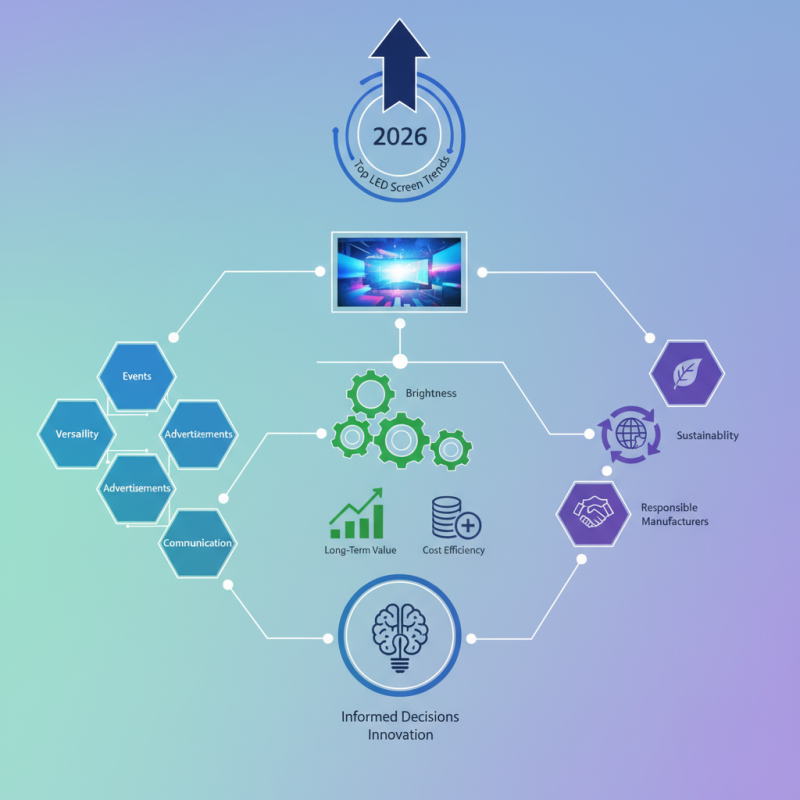
LED screens are becoming increasingly versatile. They are used in events, advertisements, and communication. The clarity and brightness of these screens continue to improve. Buyers should consider how these features can enhance their projects. However, some may overlook the cost implications. Investing in high-quality LED technology is essential for achieving long-term value.
It’s important to reflect on how these trends impact sustainability. While LED screens are energy-efficient, the production process must be ethical. Buyers must prioritize sourcing from responsible manufacturers. Overall, staying informed about LED screen trends is crucial. These insights empower global buyers to make educated decisions and foster innovation in their respective fields.
Emerging Technologies Driving LED Screen Innovations in 2026
The LED screen industry is poised for transformative changes in 2026. Emerging technologies are playing a pivotal role in these innovations. According to a recent report by MarketsandMarkets, the global LED market is projected to reach USD 146.8 billion by 2026, growing at a CAGR of 13.6%. This growth is largely driven by advancements in microLED and quantum dot technology. These technologies provide superior color accuracy and brightness, offering viewers an enhanced visual experience.
A noteworthy trend is the adoption of AI in LED screen manufacturing. AI can optimize production processes and improve product quality. This integration not only increases efficiency but reduces waste in the manufacturing cycle. However, reliance on AI raises concerns. Companies must ensure that these systems operate ethically and transparently. Mismanagement of technology could lead to significant setbacks.
Tips: Keep an eye on sustainability practices in manufacturing. Buyers should prioritize eco-friendly options. Understand the importance of assessing the longevity of LED products. More durable screens might have a higher upfront cost but will save money over time.
2026 Top LED Screen Trends for Global Buyers to Watch
| Trend | Description | Impact on Market | Expected Growth Rate (%) |
| Mini LED Technology | Enhanced brightness and contrast ratios for better outdoor visibility. | Increased demand in outdoor advertising and digital signage. | 25% |
| Micro LED Displays | Self-emissive technology providing better performance and energy efficiency. | Shift in preferences towards high-end display technology. | 30% |
| Flexible LED Screens | Flexible designs for creative display solutions in various environments. | Opens new markets in creative advertising and exhibitions. | 20% |
| AI Integration | Using AI for dynamic content adaptation based on viewer analytics. | Greater engagement and personalized advertising experiences. | 35% |
| Eco-Friendly Technologies | Energy-efficient screens with sustainable materials and manufacturing processes. | Increased consumer and corporate emphasis on sustainability. | 15% |
Key Design Trends in LED Screens for Enhanced Visual Experience
In 2026, LED screen design is set to evolve significantly, enhancing visual experiences across various sectors. A recent industry report highlighted that 75% of consumers prefer screens with higher resolution. As a response, manufacturers are focusing on ultra-high-definition (UHD) displays, offering four times the resolution of standard HD. This resolution change allows for sharper, more vivid images, making it essential for interactive installations in retail and entertainment.
Another emerging trend is the integration of smart technology. A survey showed that 68% of businesses are investing in LED screens with AI capabilities. These screens can adapt to ambient lighting, ensuring optimal viewing conditions. Such intelligence not only improves the viewer experience but also reduces energy consumption by adjusting brightness automatically.
However, the implementation of these advanced features comes with challenges. Not all manufacturers are able to maintain affordability while upgrading technology. Moreover, the rapid evolution can overwhelm users, leading to confusion. Staying informed about these trends helps users make better purchasing decisions, ensuring they leverage the latest innovations without falling behind.
2026 Top LED Screen Trends for Global Buyers
This chart illustrates the key design trends in LED screens for 2026, highlighting their potential impact on the visual experience. The data reflects the projected percentage adoption of various trends among global buyers.
Sustainability and Eco-Friendly Practices in LED Screen Production
As the LED screen industry advances, sustainability becomes a major focus. Many manufacturers are adopting eco-friendly practices. This shift reflects a growing awareness of environmental impact. Energy-efficient technologies reduce power consumption and lower carbon footprints. Recycling components is another critical step. This process minimizes waste and promotes a circular economy.
Tips for sustainable LED screen production:
- Choose manufacturers that prioritize renewable energy in their operations.
- Look for products that use recycled materials in their construction.
- Verify if the company has certifications for eco-friendly practices.
The shift to sustainability is not without challenges. Some manufacturers face
higher costs when transitioning to greener methods. However, investing in sustainable practices can lead to long-term benefits. Companies need to balance
environmental responsibility with economic viability. This reflection is crucial for future growth.
Market Expansion: Global Regions Leading LED Screen Adoption
The global LED screen market is experiencing significant growth, driven by advancements in technology and demand across various sectors. According to a recent report, the global LED display market is projected to reach over $29 billion by 2026, expanding at a compound annual growth rate (CAGR) of 12% from 2021. This trend is especially prominent in Asia-Pacific regions, where the integration of LED screens in retail, entertainment, and transportation is rapidly increasing.
Emerging markets, including Southeast Asia and India, are leading the charge in LED screen adoption. For instance, LED displays are increasingly used in urban developments and smart cities. Innovative light-emitting technology enhances advertising and informational displays, making them more accessible. However, challenges remain, such as the need for skilled technicians and integration of various technologies. These factors can complicate the adoption process in developing regions.
In Europe and North America, high-quality LED screens are dominating the commercial space. The retail sector is leveraging these screens for immersive experiences, but this is not without hurdles. The challenge of balancing aesthetic appeal with functional performance continues to provoke debate among industry experts. Overall, while the future looks promising, careful planning and strategic investment are essential for overcoming obstacles in the LED screen market.
Future Applications of LED Screens Across Various Industries
The future of LED screens is bright, with applications expanding across numerous industries. According to a recent report by Grand View Research, the global LED displays market is projected to reach $153 billion by 2028. This growth is particularly evident in sectors such as entertainment, healthcare, and retail. In entertainment, immersive experiences powered by LED screens are reshaping how audiences engage with content. Massive screens at events enhance viewer experience, while virtual reality integrations draw audiences in like never before.
In healthcare, LED screens are crucial for patient monitoring and virtual consultations. The clear visibility and color accuracy of LED displays improve diagnosis and treatment outcomes. Retailers are also utilizing these screens for dynamic advertising. Eye-catching displays can lead to increased foot traffic and higher sales. A study by Deloitte indicates that businesses using digital displays see a 32% increase in sales.
Tips:
- Invest in screens with high resolution to ensure clarity.
- Understand the importance of placement for maximum impact.
- Always consider content relevance to your target audience.
- Reflect on how your applications can adapt to evolving technology, as staying updated is crucial for maintaining a competitive edge.