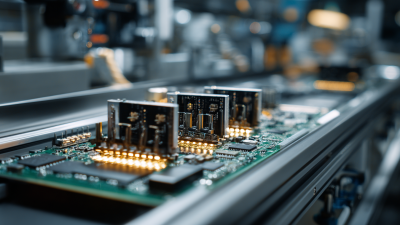
Top PCB Fabrication Assembly Solutions for Global Buyers?
In today's fast-paced electronics market, the demand for high-quality PCB fabrication assembly is rising rapidly. Manufacturers worldwide seek efficient solutions to produce reliable printed circuit boards. These boards are essential for various applications, from consumer electronics to complex industrial systems.
Choosing the right PCB fabrication assembly partner can significantly impact production quality and cost. Buyers must evaluate various factors, including technological capabilities and production timelines. A poorly chosen partner can lead to delays and increased expenses. Understanding the complexities involved in PCB production is vital for making informed decisions.
Global buyers must consider their specific needs. They should reflect on their project scale and budget constraints. Quality assurance processes play a crucial role in the PCB assembly process. A thorough understanding of these aspects is necessary for long-term partnerships in the industry.
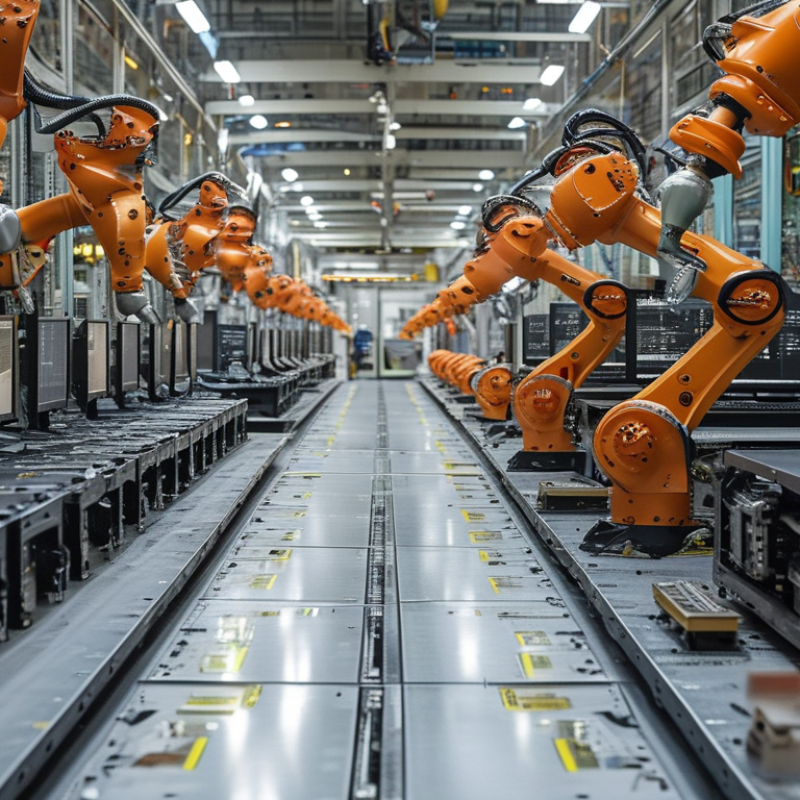
Top PCB Fabrication Techniques for Global Market Leaders
The global PCB fabrication market continues to evolve, driven by advancements in technology and increasing demand. Research indicates that the market is expected to reach a valuation of $85 billion by 2025, with a compound annual growth rate of about 5%. This growth reflects the increasing complexity of electronics and the need for high-quality printed circuit boards (PCBs).
Leading market players employ a variety of fabrication techniques to ensure precision and reliability. Techniques like surface mount technology (SMT) and through-hole technology are foundational. SMT allows for smaller, more efficient designs, while through-hole provides greater durability. Unfortunately, the challenge lies in balancing cost and technology. Some manufacturers still rely on older methods, which can lead to inefficiencies and higher defect rates.
Moreover, environmental concerns have prompted the adoption of greener fabrication techniques. Industry reports reveal that nearly 70% of companies are exploring eco-friendly materials. Yet, many struggle with integrating these methods without escalating costs. It is critical for leaders in the PCB sector to continuously assess and refine their fabrication processes. Only then can they meet the evolving needs of a dynamic global market.
Key Considerations in Choosing PCB Assembly Services
Choosing the right PCB assembly service is crucial for ensuring high-quality manufacturing. Buyers should consider a range of factors before making a decision. Experience is one of the most important aspects. A provider with a long history in the industry is likely to have encountered and solved various issues that may arise during production.
Another key consideration is the technology they employ. Advanced machinery and techniques can lead to better precision and efficiency. Evaluating their quality control processes is also vital. Does the company use standard testing protocols? Such checks can reveal potential problems early, saving time and resources.
Communication is also essential. A responsive service helps address concerns promptly, allowing for smoother operations. Look for a provider who values transparency in their operations. It's beneficial to ask for references or case studies. This can provide insight into their reliability. While price is a factor, focusing only on cost can lead to unsatisfactory outcomes. It's necessary to balance cost with quality and service. This approach ultimately leads to a lasting partnership and successful project completion.
Comparative Analysis of Cost-Effective PCB Fabrication Options
In the rapidly evolving electronics market, cost-effective PCB fabrication options are crucial for global buyers. Achieving a balance between quality and price can be challenging. Many manufacturers offer diverse capabilities, which leads to variations in pricing. Understanding these differences is essential for informed decision-making.
Evaluating PCB fabrication choices involves looking at several factors, including material quality, production time, and customization potential. Some manufacturers provide bulk discounts, which can lower costs significantly. However, lesser-known companies may compromise on quality. Buyers must thoroughly assess past performance and customer feedback. It’s surprising how often certain key aspects are overlooked, leading buyers to dissatisfaction later.
Additionally, geographical location plays a role in pricing. Local suppliers may reduce shipping costs but can have limited options. On the other hand, overseas manufacturers might offer cheaper rates but can face delays. It’s vital to reflect on these factors to avoid regrettable decisions. Research is crucial, and utilizing multiple sources can provide a clearer picture of what to expect in terms of both quality and price.
Emerging Technologies in PCB Fabrication and Assembly Solutions
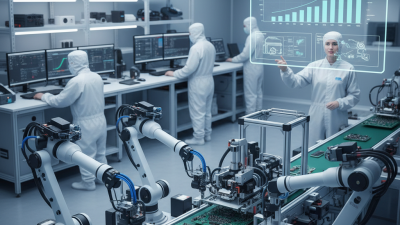
Emerging technologies in PCB fabrication and assembly solutions are shaping the future of electronics. One notable advancement is the integration of automation in the production line. Robotics and AI streamline processes, enhance precision, and reduce human error. However, some companies may face challenges in adoption. The transition requires workforce training and investment.
Another exciting trend is the move towards sustainable materials. Biodegradable substrates and eco-friendly solder are becoming popular to mitigate environmental impacts. This shift not only satisfies regulatory demands but also meets growing consumer expectations for greener products. Companies should analyze their supply chains to identify potential eco-friendly alternatives.
Communication remains critical. Clear dialogue among engineers, designers, and manufacturers is essential. Misunderstandings can lead to costly mistakes in design adaptations. It’s crucial to foster a collaborative approach to leverage the potential of new technologies effectively.
Regular workshops and training sessions can enhance team coherence and knowledge sharing about emerging technologies. Keep teams engaged to adapt quickly and stay competitive in a rapidly evolving landscape.
Global Trends in PCB Manufacturing: Data and Insights from 2023
In 2023, the landscape of PCB manufacturing reflects significant growth and change. Innovations in technology drive efficiency and quality in production. Data shows that many manufacturers are adopting automated processes. Automation reduces cycle time and enhances precision, catering to a diverse range of industries. However, transitioning to automated systems can pose challenges. Companies must invest in new technologies and training. This adjustment often leads to initial uncertainties and potential production downtime.
Moreover, sustainability has risen as a critical concern. Consumers demand eco-friendly PCB options. Manufacturers face pressure to minimize waste and energy usage. Some companies have begun utilizing biodegradable materials and energy-efficient practices. Yet, the shift requires long-term commitment and resources. Not every organization can afford the transition smoothly.
As the global market evolves, buyers seek reliable partners. The fabrication and assembly process must ensure high-quality standards. Reliability in supply chains becomes increasingly vital in a world facing disruptions. Many organizations are still learning to navigate these complexities. Future trends suggest that adaptability will be essential for success in the PCB industry. Companies must stay informed and flexible to meet emerging market needs.