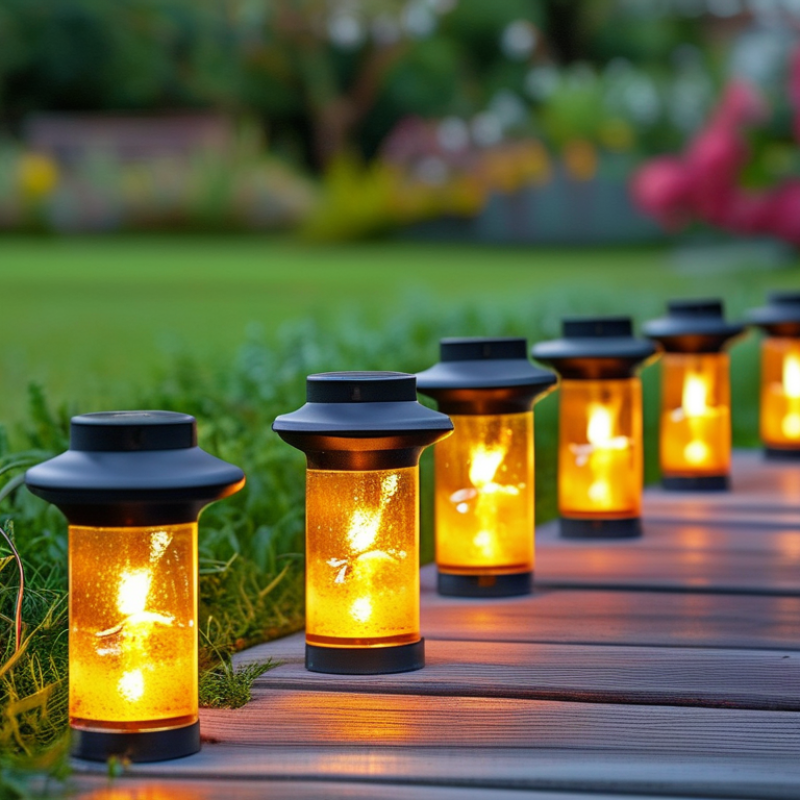
Top 10 Tips for Choosing the Best Solar Garden Light?
Choosing the right Solar Garden Light can transform outdoor spaces. According to the Solar Energy Industries Association, the market for solar lighting is expected to grow by 15% annually. This growth showcases the increasing reliance on sustainable energy solutions for outdoor aesthetics.
Expert David Greene, a leading figure in solar technology, states, "The right Solar Lights not only enhance beauty but also promote energy efficiency.” His insights underline the need for thorough consideration when selecting solar garden lights. Key aspects include brightness, design, and battery life.
It's easy to overlook essential features in the vast selection available. However, informed choices can lead to both functional and beautiful outcomes. The right solar garden light can reduce energy costs while creating inviting outdoor environments.
Benefits of Solar Garden Lights: Energy Efficiency and Cost Savings
Solar garden lights offer a unique blend of beauty and functionality for outdoor spaces. One of the most significant advantages is their energy efficiency. These lights harness solar energy, reducing reliance on traditional electricity. By converting sunlight into power, they help lower electricity bills. This can lead to substantial savings over time.
Cost savings extend beyond the energy aspect. Solar garden lights require minimal maintenance. Unlike wired lighting systems, they don't require frequent bulb replacements. Many models come with durable materials designed to withstand various weather conditions. Investing in these lights can offer long-term financial benefits. However, it's important to choose models with high-quality solar panels for optimal performance.
While solar lights are generally reliable, their effectiveness can fluctuate. Factors like daylight availability and seasonal changes may impact their brightness. It's crucial to assess your garden’s sun exposure before installation. Regular cleaning of the solar panels ensures they operate at peak efficiency. Adapting your choice based on these reflections can enhance your outdoor lighting experience.
Key Features to Consider When Selecting Solar Garden Lights
When selecting solar garden lights, key features greatly influence effectiveness and aesthetics. Battery capacity is crucial; larger batteries typically provide longer illumination. A study by the Solar Energy Industries Association notes that lights with 2000mAh batteries can last up to 12 hours, making them ideal for nighttime use. Additionally, consider the solar panel size, as larger panels absorb more sunlight and enhance charging efficiency. Reports indicate that even slight increases in panel size can boost energy absorption by 30%.
Light output is another critical factor. Look for fixtures measured in lumens; brighter lights, around 100 lumens or more, are best for illuminating pathways and gardens. However, excessive brightness may disrupt nocturnal wildlife, necessitating a balance. The material of the lights also matters. Weather-resistant materials ensure durability against environmental elements. A reliable report from the Department of Energy highlights that correctly rated lights can fend off rust and UV damage for years, emphasizing sustainability.
Finally, aesthetic design can affect choice significantly. Many homeowners prefer styles that complement their garden's theme. However, some designs may not offer sufficient function or durability and can become a liability. Thoughtful selection of solar garden lights not only enhances curb appeal but also ensures reliable performance. Always weigh the trade-offs between style and practicality.
Understanding Solar Panel Efficiency Ratings for Optimal Performance
When selecting solar garden lights, understanding solar panel efficiency ratings is crucial. The efficiency of solar panels determines how much sunlight is converted into electricity. Generally, high-efficiency panels convert over 20% of sunlight, while standard panels range from 15% to 20%. A report by the National Renewable Energy Laboratory indicates that even small differences in efficiency can significantly impact performance. For example, a 1% increase in efficiency can lead to a 10% increase in power output over a year.
Consider these tips when choosing solar garden lights. Look for lights with solar panels rated above 18% efficiency. This ensures better energy conversion and longer-lasting brightness. Additionally, assess the battery capacity. A higher capacity, expressed in milliampere-hours (mAh), will store more energy and sustain performance during cloudy days. Lighting duration matters. Some lights last only a few hours, while others may provide illumination throughout the night.
Solar lights should also be durable. Select models with robust materials and weather ratings. Many lights claim to be weatherproof, yet not all stand up to heavy rain or snow. Perform research; not all brands are equal. Reading customer reviews can reveal real-world performance issues. Trustworthy reports show significant disparities in real-life efficiencies compared to lab-test results. Prioritize reliable brands that have great feedback on durability and performance.
Evaluating Battery Capacity and Lifespan in Solar Garden Lighting
When evaluating solar garden lights, battery capacity and lifespan are crucial factors. Solar lights are typically powered by rechargeable batteries, which store energy collected during the day. A standard battery capacity for solar garden lights ranges from 600 mAh to 3000 mAh. Higher capacities generally indicate longer illumination times. However, the quality of the batteries can significantly impact performance.
Lithium-ion batteries often outperform nickel-cadmium options. Reports suggest that lithium-ion batteries can last up to 5,000 charge cycles, while nickel-cadmium may only endure about 1,000 cycles. Consider the type of battery used in your solar lights to ensure longevity. It's also vital to think about the climate. In areas with less sunlight, a higher capacity battery may not be enough if the solar panel doesn't efficiently convert solar energy.
The lifespan of the entire lighting system can depend on various environmental factors. For instance, extreme temperatures can diminish battery performance. A 2022 study found that solar lights exposed to regular high heat could lose up to 30% of their efficiency within a year. It's essential to balance battery choice, solar panel efficiency, and weather considerations. These elements combined determine whether your solar garden light will shine bright or fade quickly.
Top 10 Tips for Choosing the Best Solar Garden Light
| Feature | Description | Battery Capacity (Ah) | Lifespan (Years) | Price ($) |
| LED Efficiency | Ensures maximum brightness with minimal power consumption. | 2.0 | 5 | 25 |
| Solar Panel Efficiency | Higher conversion rates from sunlight to electricity. | 1.5 | 7 | 30 |
| Durability | Weather-resistant materials for longevity. | 2.5 | 10 | 40 |
| Light Sensor | Automatically turns on at dusk and off at dawn. | 1.8 | 6 | 20 |
| Adjustable Settings | Options for brightness and timer settings. | 2.2 | 8 | 35 |
| Design | Aesthetically pleasing to enhance garden decor. | 1.0 | 4 | 15 |
| Color Temperature | Warm white for ambiance or cool white for clarity. | 1.6 | 7 | 28 |
| Ease of Installation | Simple setup with no wiring required. | 1.2 | 5 | 18 |
| Warranty | A guarantee for the product's durability. | N/A | 5 | 10 |
Choosing the Right Brightness and Color Temperature for Your Garden
When selecting solar garden lights, brightness and color temperature play vital roles in transforming your outdoor space. A garden light’s brightness is measured in lumens. You might want bright lights for pathways or softer options for a cozy ambiance. Balancing these needs is crucial. Too much brightness can create harsh shadows, while too little may leave certain areas dim.
Color temperature, measured in Kelvin, affects mood greatly. Warm white lights (2700K-3000K) offer a welcoming glow, ideal for relaxation. Cooler white lights (4000K-5000K) create an energizing atmosphere, perfect for activities. It's essential to assess how your chosen color temperature complements garden plants and decor. Remember, mismatched tones can clash and distract from your garden's beauty.
Think about where you’ll place your lights. Experiment with different styles and fixtures to find what works best. Sometimes, it takes time to find the right balance. Don’t rush the process. Pay attention to how the lights cast shadows and illuminate specific plants or paths. Your garden deserves a thoughtful approach to lighting, enhancing both its beauty and functionality.