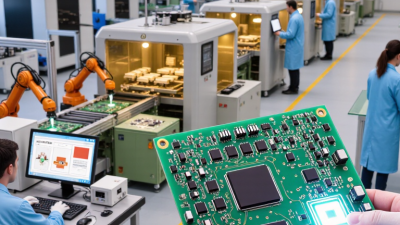
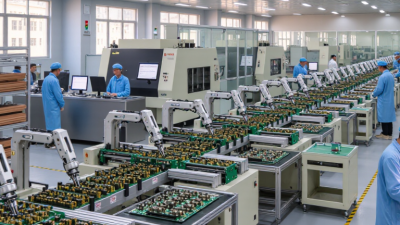
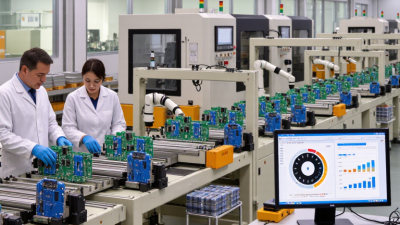
WORLD electronics offers a complete line of electronic circuit board manufacturing and assembly services, as well as advanced manufacturing services. Our commitment to quality and service is second to no supplier.
Learn MoreOur team of engineers assists you in the development of new designs to optimize quality manufacturability (DFM) and testability, resulting in cost minimization and reduced product development time.
Learn MoreOur flexible manufacturing floor layout and highly trained staff allow for Quick Set-up and Tear Down of small volume prototype runs. This combination grants our customers the benefit of turning new designs quickly and accurately.
Learn MoreWORLD electronics is dedicated to quality. This quality is what underpins our commitment to thorough testing. Our engineers can develop a set of tests that ensure reliability and high performance in all products.
Learn MoreSupply chain management has crossed over from being a narrow management function to being a key operational function.
Learn MoreChina is a major center of printed circuit board production, serving markets from smartphones and industrial controls to electric vehicles and data-center equipment. For buyers, choosing a manufacturer is not just a price comparison. Layer count, material selection, trace width, surface finish, and inspection capability can all affect performance and delivery.
Prismark Research’s 2024–2029 PCB Industry Forecast estimated global PCB production value at about US$69.5 billion in 2023 and projected a recovery to approximately US$73.4 billion in 2024. These are reported estimates and forecasts, not a guarantee of current market conditions. Still, they show why supplier capacity and technical focus deserve close attention. A factory’s clean production floor matters. So do process controls, test records, engineering support, and clear communication when a design changes.
This guide introduces top circuit board manufacturers in China and the capabilities buyers should examine. It considers product range, manufacturing scale, quality systems, and experience with different applications. Not every large supplier is the right supplier. A company suited to high-volume consumer electronics may not fit a prototype order or a demanding multilayer design. That distinction is easy to miss. Company information and certifications should be verified directly, because capabilities and lead times can change.
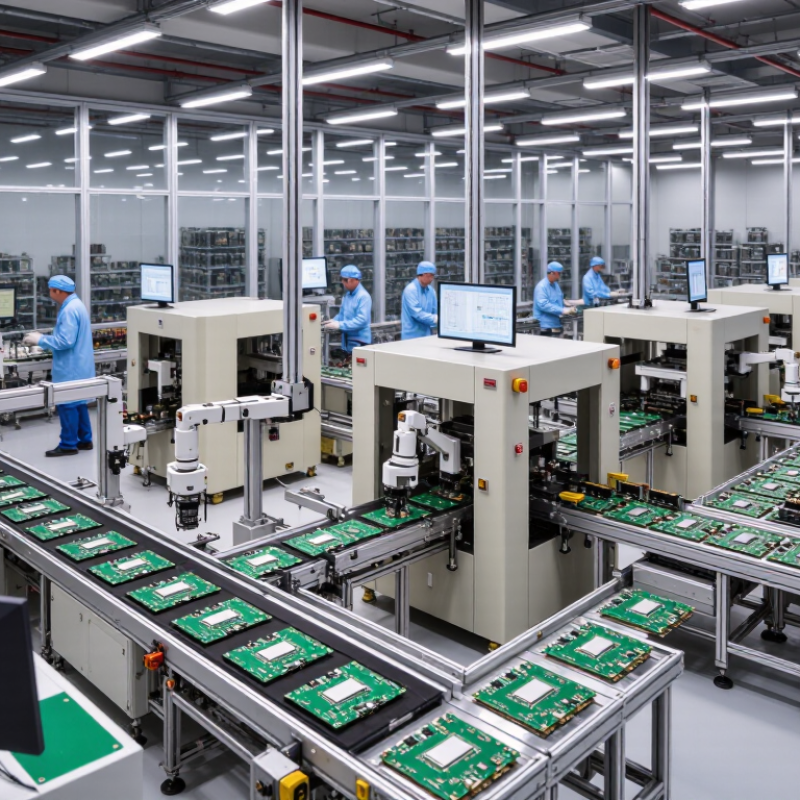
A printed circuit board, or PCB, is the platform that holds electronic components and connects them through copper pathways. It may look like a flat sheet, but a multilayer board contains thin insulating cores, copper foil, and carefully aligned internal circuits. Thin copper. Tiny holes. These features carry signals and power through devices, from household controls to industrial equipment.
Manufacturing begins with a design file that defines the board’s layers, holes, and electrical routes. A fabricator laminates copper and insulating material under heat and pressure, then images and etches the copper to leave the required traces. Drilling creates holes for component leads and connections between layers. Plating coats selected holes with copper. The board is then coated with solder mask, marked, and electrically tested. Small registration errors matter: a slight layer shift can break a narrow connection.
Prismark’s 2024 industry report estimated global PCB production at about US$69.5 billion in 2023, down 15.6% from the previous year. That figure signals a large, cyclical industry, not a guarantee of uniform factory capability. Buyers should examine test records, layer alignment, material controls, and defect handling. A polished sample is useful, but it cannot show how consistently a production line performs. That is the part worth questioning.
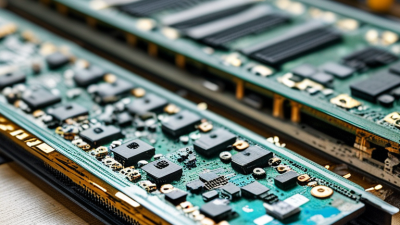
China’s circuit board industry is not one uniform factory belt. It is a layered network: material suppliers provide copper-clad laminates and prepreg, board makers fabricate circuits, and assembly firms mount components for finished devices. Some manufacturers focus on high-volume, standard multilayer boards. Others handle rigid-flex, high-density interconnect, or small batches for specialized equipment. The distinction matters. A capable factory for a simple control board may not suit a fine-pitch, high-layer-count design.
Geography shapes this structure. Production is concentrated in coastal manufacturing regions, where suppliers, skilled technicians, and electronics customers are easier to reach. That proximity can shorten prototype cycles. It can also make capacity and labor costs vary sharply between regions. The picture is not perfectly neat; public data often groups different board types together, so regional comparisons need care.
Prismark’s 2024 PCB industry report estimated global PCB production value at about US$73.2 billion in 2024, following a downturn in 2023. China remains a major production base, but the headline figure alone says little about a factory’s strengths. Buyers should compare layer count, material capability, line width, inspection methods, and documented yield. Ask for process records, not just a capacity figure. A little tedious, but useful.
Top Circuit Board Manufacturers in China
Key Criteria for Evaluating Chinese Circuit Board Manufacturers
A supplier’s capability should match the board, not just the quotation. Check layer count, copper weight, minimum trace width, via types, and material options against your actual design. Ask for recent process data and a sample built to the same stack-up. A polished sample proves little if production uses different materials.
Quality systems need evidence. Review defect tracking, inspection records, test coverage, and corrective-action reports. IPC-6012 defines qualification and performance requirements for rigid printed boards; IPC-A-600 describes visual acceptability criteria. These references help make supplier comparisons specific. They do not replace an audit. Paperwork can look tidy. Factory practice may differ.
Capacity and stability matter too. Prismark’s 2024 industry review estimated global PCB production value at about US$69.5 billion in 2023, down roughly 15% from 2022. That contraction makes financial resilience and realistic lead-time commitments worth checking. Ask how the factory handles material shortages, engineering changes, and urgent rework. Then verify answers through a site visit or a controlled pilot order. Price is visible; hidden costs often appear later in scrap, delays, or repeated design adjustments.
Leading circuit board manufacturers in China support products ranging from compact sensor modules to large industrial control boards. Their capabilities can include multilayer fabrication, fine-line routing, solder-mask application, and electrical testing. The right partner depends on board complexity, expected volume, and assembly needs. Details matter. A clear drawing package helps engineers assess whether a design can be produced reliably.
When comparing suppliers, ask how they control drilling, copper plating, and layer alignment. A useful discussion goes beyond price: request material specifications, inspection records, and sample boards that match your intended stack-up. Some manufacturers offer rapid prototypes, while others are better suited to repeat production. Confirm lead times and minimum quantities in writing. A polished sample can still hide a process weakness.
Communication is part of manufacturing quality. Ask who reviews fabrication files and how design questions are handled before production starts. Good suppliers explain trade-offs, such as how tighter spacing may affect yield or cost. Not always. Even a thorough audit cannot remove every risk, and a promising first order is not proof of long-term consistency. Track defect rates, delivery accuracy, and how promptly issues are corrected across several orders.
These approximate thicknesses are based on copper weight per square foot: 1 oz/ft² is about 34.1 μm. Actual finished copper thickness can vary with plating and etching processes.
Selecting a circuit board manufacturer in China starts with matching its capabilities to your design, not comparing headline prices. Ask about layer count, finished copper thickness, minimum trace width, impedance control, and the materials actually available for your build. Prismark’s 2023 PCB industry analysis estimated global production value at about US$69.5 billion, down roughly 15% from 2022. That shift makes capacity and delivery commitments worth checking carefully. The market figure is not a supplier score.
Request a sample build, a documented quality plan, and recent test records for similar boards. For rigid PCBs, clarify which IPC-6012 acceptance class applies, and ask how inspection follows IPC-A-600. Check whether electrical testing covers every board or only a sample. Ask for evidence. A certificate alone tells you little about process control. Review defect handling, traceability, and how the factory reports changes to materials or production sites. Small details matter.
A factory visit or live video audit can reveal practical issues: clean storage for laminates, controlled humidity, orderly drilling areas, and clear separation of finished lots. Compare quotations line by line, including tooling, test fixtures, packaging, and shipping terms. Then confirm lead time with a pilot order before relying on a large production schedule. I would still keep a backup source; perhaps that is cautious, but a polished quotation cannot guarantee stable output.