WORLD electronics offers a complete line of electronic circuit board manufacturing and assembly services, as well as advanced manufacturing services. Our commitment to quality and service is second to no supplier.
Learn MoreOur team of engineers assists you in the development of new designs to optimize quality manufacturability (DFM) and testability, resulting in cost minimization and reduced product development time.
Learn MoreOur flexible manufacturing floor layout and highly trained staff allow for Quick Set-up and Tear Down of small volume prototype runs. This combination grants our customers the benefit of turning new designs quickly and accurately.
Learn MoreWORLD electronics is dedicated to quality. This quality is what underpins our commitment to thorough testing. Our engineers can develop a set of tests that ensure reliability and high performance in all products.
Learn MoreSupply chain management has crossed over from being a narrow management function to being a key operational function.
Learn MoreChoosing a PCB assembly manufacturer is not just about comparing prices. Global buyers also need dependable quality, clear communication, and production capacity that matches their project. A prototype run may need quick engineering feedback, while a high-volume order depends on stable processes and predictable delivery. Small details matter. Ask how a supplier handles component sourcing, inspection, traceability, and design changes before production begins. These answers can reveal more than a polished sales presentation.
This guide explores top PCB assembly manufacturers for global buyers and the practical differences that shape a good supplier choice. It considers capabilities such as surface-mount and through-hole assembly, testing options, certifications, order flexibility, and support across time zones. It also looks at how suppliers communicate when a component is delayed or a design needs revision. No single company is the right fit for every product. A shortlist that works for a medical device project may not suit a cost-sensitive consumer product. Even published capabilities deserve verification; supplier information can change, and a website may not show everyday performance. That uncertainty is worth acknowledging. Use the comparisons as a starting point, then confirm requirements directly with each manufacturer. The goal is to find a partner whose pcb and assembly services fit your technical needs, production scale, and expectations for communication—not simply the lowest quote.
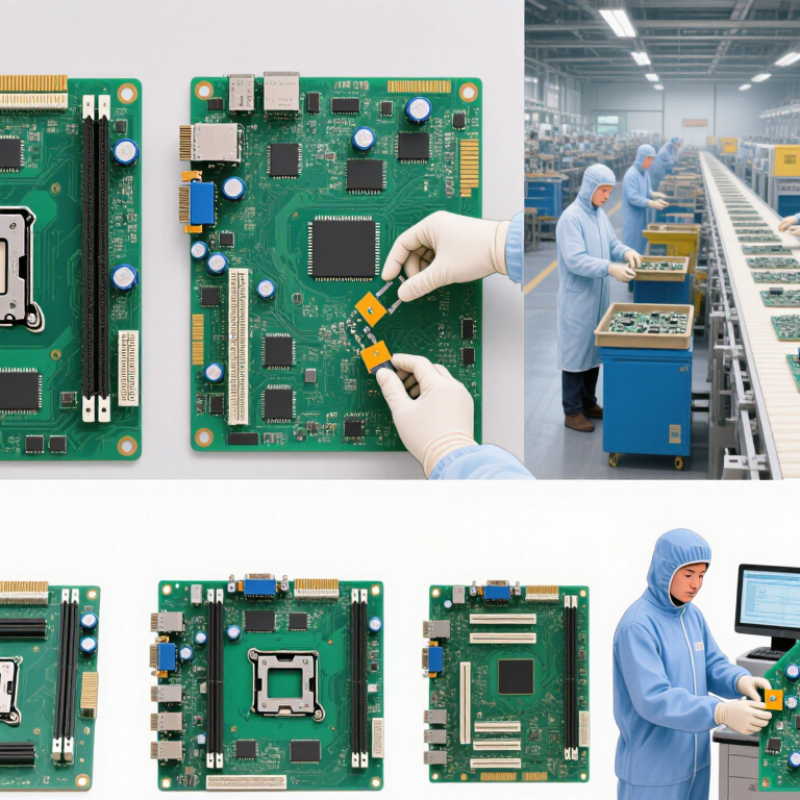
PCB assembly manufacturers turn a design package into tested circuit boards. Their work often begins with design-for-manufacturing review, component sourcing, and checks for footprint or solder-mask conflicts. They then place surface-mount components, install through-hole parts, and manage reflow or wave soldering. Details matter. A useful supplier also tracks material lots and maintains revision-controlled build records.
Inspection and testing are part of the service, not optional extras. Depending on the product, manufacturers may provide automated optical inspection, X-ray inspection, in-circuit testing, or functional testing against customer requirements. WSTS’s Autumn 2024 Semiconductor Market Forecast projected global chip sales of about US$626 billion in 2024 and US$697 billion in 2025. That forecast signals a large, growing component ecosystem, but it does not guarantee component availability or short lead times. Small errors travel. A missing test plan can leave a technically complete board difficult to verify.
Tips: Ask for a sample inspection report, component traceability details, and the exact test coverage before approving a build. Confirm who handles obsolete parts and substitutions. Compare quotes carefully; a low unit price may exclude tooling, programming, or final testing. No process is perfect, so define how defects are documented and corrected before production starts.
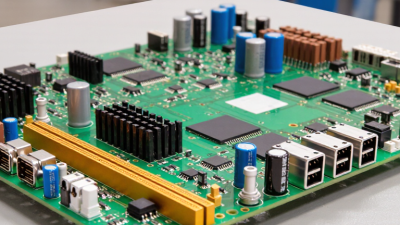
Top PCB Assembly Manufacturers for Global Buyers
How to Assess Manufacturers for Global Projects
A strong assessment begins with the product, not a sales presentation. Share representative files, board dimensions, layer count, and expected order volumes. Ask how the factory handles fine-pitch components, mixed technology, and design changes. Specific answers matter. General promises do not.
Review quality records and production controls, then ask to see how defects are tracked and corrected. Request sample inspection reports, traceability examples, and clear criteria for first-article approval. If possible, compare a pilot run with your drawings and acceptance requirements. A polished audit can still miss everyday problems. Check how operators manage component substitutions, soldering profiles, and rework on the production floor.
Global projects also depend on communication and delivery planning. Confirm who owns technical questions, what time-zone overlap is available, and how schedule changes are reported. Ask for realistic lead times that include material sourcing, testing, and shipping—not just board assembly. Clarify packaging, documentation, and escalation steps before placing a large order. No scorecard catches everything. A small trial order may reveal slower replies or inconsistent reporting that a questionnaire hides. Revisit your assessment after the first build; supplier performance can change as volumes grow.
| Assessment Dimension | What to Verify | Evidence to Request | Global Project Checkpoint |
|---|---|---|---|
| Quality management system | Check whether the manufacturer operates a documented quality management system appropriate to the product and industry. ISO 9001 is a general quality management system standard; sector-specific requirements may also apply. | Current certificate, issuing body, certified site address, scope, and expiry date. Confirm the certificate covers the facility that will make the order. | Verify the certificate’s validity and scope independently; do not assume a certificate held by one site covers other sites. |
| Industry-specific requirements | Match the supplier’s controls to the end market. Examples include ISO 13485 for medical-device quality management and IATF 16949 for automotive quality management systems. | Applicable certificates, customer-specific requirements, audit results, and documented process controls. | Confirm the required certification or approval before quotation or production; requirements depend on the product and customer. |
| Assembly workmanship | Ask which acceptance criteria are used for soldered electronic assemblies. IPC-A-610 defines acceptability criteria, with Classes 1, 2, and 3 corresponding to different end-use expectations. | Workmanship standard and class specified in the purchase documents, inspection records, and sample inspection results. | Agree on the applicable class and acceptance criteria in writing; a higher class should not be assumed unless specified. |
| Soldering process controls | Check how soldering processes, materials, and operator practices are controlled. J-STD-001 provides requirements for soldered electrical and electronic assemblies. | Process-control procedures, soldering material records, training records, and evidence of inspection or process verification. | Ensure the agreed revision and requirements are documented and applicable to the assembly type. |
| ESD controls | Assess how electrostatic discharge risks are controlled during handling, assembly, storage, and packing of sensitive components. | ESD control plan, training records, work-area checks, and records of periodic verification. | Look for controls across the full material path, not only at the assembly workstation. IEC 61340-5-1 addresses protection of electronic devices from ESD. |
| Traceability and change control | Determine whether component lots, production batches, inspection results, and approved revisions can be linked to shipped assemblies. | Example traveler or production record, lot-traceability procedure, nonconformance process, and engineering-change workflow. | Agree on the required traceability depth and record-retention period before placing the order. |
| Regulatory material compliance | Define applicable substance and market requirements. For example, EU RoHS restricts specified hazardous substances in covered electrical and electronic equipment; REACH obligations depend on the product and its supply chain. | Material declarations, supplier declarations, test reports where relevant, and a process for managing component or material substitutions. | Confirm product scope, destination-market rules, and documentation requirements with the buyer’s compliance team. |
| Process and inspection capability | Evaluate the processes actually needed for the design, such as SMT, through-hole assembly, reflow, selective soldering, inspection, or testing. Capability should be demonstrated for the specific product rather than inferred from equipment lists. | Process flow, relevant equipment and inspection methods, sample reports, and a review of a representative design or pilot build. | Check component package, board design, inspection access, and test requirements during design-for-manufacturing review. |
| Testing and failure analysis | Confirm which tests are included, such as visual inspection, automated optical inspection, in-circuit testing, or functional testing, and which require buyer-supplied fixtures or programs. | Test plan, sample test report, fixture and programming responsibilities, defect escalation process, and corrective-action examples. | Specify test coverage, pass/fail criteria, test data format, and responsibilities before production starts. |
| Capacity and delivery planning | Assess available capacity, material lead times, production scheduling, and the supplier’s approach to shortages or schedule changes. | Capacity plan for the forecast, sample schedule, material-status reporting method, and escalation contacts. | Separate quoted manufacturing lead time from component procurement time and international transit time. |
| Export packing and logistics | Review packaging protection, shipping documentation, shipment tracking, and agreed delivery terms. Incoterms® rules define certain buyer and seller responsibilities for delivery, costs, and risks. | Packing specification, sample shipping documents, proposed Incoterms® rule and named place, and shipment-tracking procedure. | State the applicable Incoterms® rule and named place in the contract; clarify who handles export and import formalities. |
| Communication and project governance | Evaluate engineering response, document control, issue escalation, and the ability to coordinate across time zones and languages. | Named project contacts, meeting and reporting cadence, document-submission process, and escalation path. | Agree on response expectations, approval milestones, and a single controlled source for current production files. |
Use these criteria as a supplier-assessment framework, not as a ranking or certification claim. Confirm current standards, legal requirements, and contractual obligations for each project and destination market.
Leading PCB assemblers distinguish themselves through process control, engineering support, and the ability to repeat results at scale. Prismark’s 2024 industry analysis estimated global PCB production value at about $69.5 billion in 2023, down from $81.9 billion in 2022. That swing makes flexible capacity and realistic lead-time planning important. Buyers should ask how a supplier handles fine-pitch components, multilayer stack-ups, and design-for-manufacturing reviews. Details matter.
Quality capability is more than a certificate on a wall. Strong assemblers document material lots, inspection results, and process changes, then connect those records to each production batch. Ask about inspection methods for solder joints, bare-board testing, and defect follow-up. IPC-A-610 provides widely used acceptability criteria for electronic assemblies, but a standard alone cannot prove consistent execution. Request sample inspection records or a production-quality plan, with sensitive customer information removed.
Global buyers also need clear communication across engineering, procurement, and shipping. A capable partner flags component substitutions early and explains their technical impact, rather than waiting until a build is delayed. Check whether quoted capacity reflects actual equipment, trained operators, and available materials. I would verify this twice: a polished capability list can look stronger than the production line behind it. No checklist is perfect. A small pilot build can reveal handling issues, unclear work instructions, or test coverage gaps before volume orders begin.
Regional strengths can influence the full cost and reliability of a PCB assembly program. A nearby supplier may shorten shipping times and make engineering discussions easier. Other regions may offer deeper component networks or more flexible production capacity. The best fit depends on board complexity, order volume, and delivery targets. A prototype needing quick changes benefits from close communication. A steady, high-volume build may depend more on component availability and repeatable process control.
Look beyond quoted assembly prices. Compare lead times for bare boards and components, shipping routes, and backup sourcing plans. Ask how the factory tracks lot numbers, inspection results, and changes to the bill of materials. These details matter when a shipment is delayed or a component becomes scarce. Request evidence of relevant quality procedures, then confirm that the proposed process matches your product. A polished audit file is useful, but it cannot answer every production question. That is easy to miss. Time-zone gaps can slow urgent approvals, while longer freight routes add uncertainty. Even careful planning has rough edges. Build realistic buffers, agree on escalation contacts, and review sample builds before scaling production.
Logistics performance is one factor global buyers can consider when evaluating PCB assembly supply chains. These 2023 World Bank LPI scores describe overall country-level logistics—not PCB manufacturing capability or the performance of individual suppliers. Source: World Bank Logistics Performance Index.
Choosing a PCB assembly partner means checking more than quoted price and delivery dates. Ask how the team handles component substitutions, engineering changes, and traceability for each production lot. A useful evaluation includes sample inspection records, test coverage, and clear criteria for first-pass yield. Ask for proof. A polished capability sheet is not the same as consistent results on your board.
Workforce capability matters, too. The World Economic Forum’s Future of Jobs Report 2023 estimates that 44% of workers’ skills will be disrupted by 2027. For buyers, that makes training and process control worth discussing, especially for fine-pitch parts and changing designs. Ask who reviews assembly defects, how quickly issues are escalated, and whether production capacity is demonstrated with comparable builds. A site visit can reveal practical details: labeled material bins, orderly workstations, and accessible inspection data.
Tips: Send the same RFQ package to each candidate, including Gerber files, BOM, quantities, and test requirements. Request a first-article review before full production. Compare total landed cost, not just assembly price. Also, question your own assumptions: a nearby supplier is not automatically easier to work with, and no partner is perfect.