Best Electronics PCB Assembly Manufacturers in China
China’s electronics PCB assembly sector offers scale, supplier depth, and access to mature component ecosystems. Yet a large factory is not automatically a reliable partner. Buyers still need evidence of process control, traceability, and consistent delivery.
Grand View Research valued the global printed circuit board market at approximately $73.5 billion in 2023 and projected a 5.6% compound annual growth rate from 2024 to 2030. This figure covers PCBs, not assembly services alone, so it should be treated as market context rather than a direct measure of assembly demand. IPC Chief Economist Shawn DuBravac’s market commentary offers a useful lens: evaluate growth alongside supply-chain conditions and manufacturing capacity. The distinction matters when a supplier quotes a low unit price but cannot explain its test coverage, component sourcing, or change-control process.
Details matter. A strong manufacturer should be able to discuss solder-paste inspection, reflow profiles, board testing, and production records in plain terms. This guide compares leading electronics PCB assembly manufacturers in China by capabilities, quality systems, communication, and support for different production volumes. It also recognizes an imperfect reality: published certifications cannot replace a factory audit or a carefully reviewed first build. The goal is not to find the biggest name, but to identify a partner whose process fits the product—and whose claims can be checked.
What PCB Assembly Manufacturers in China Do
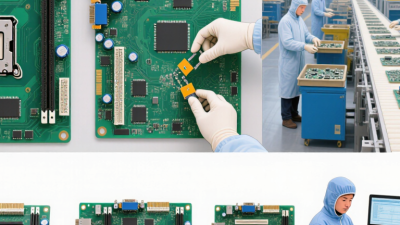
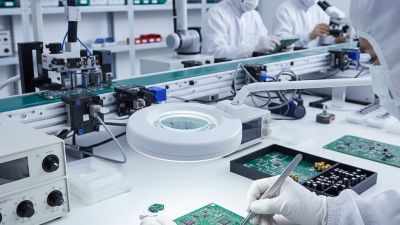
PCB assembly manufacturers in China convert bare boards, component lists, and design files into working electronic products. Their teams review Gerber data, check component availability, and flag spacing or solder-mask issues before production. Then they print solder paste through a stencil, place tiny parts with SMT machines, and run boards through controlled reflow ovens. Through-hole parts may need wave or selective soldering. Small details matter. Inspection can include automated optical inspection, X-ray checks for hidden joints, and functional tests using a product-specific fixture. A capable supplier also tracks lot numbers and test results, so engineers can trace a fault to a process step rather than guess.
Component planning is increasingly important. The World Semiconductor Trade Statistics organization’s November 2024 forecast put global semiconductor sales at $627.6 billion for 2024, up 19.1%, and projected $697.2 billion for 2025. Those figures describe the semiconductor market, not PCB assembly capacity, but they show why sourcing and substitutions need careful review. Manufacturers typically coordinate approved alternatives, build samples, and confirm results before scaling orders. Still, a handoff can be messy: incomplete drawings or late design changes may cause delays, even at a well-equipped factory. Buyers should ask how defects are recorded, what test coverage is included, and whether process changes require approval. A polished factory tour alone proves little.
Key Technologies and Services Offered by Chinese PCB Assemblers
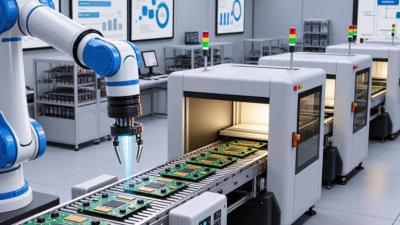
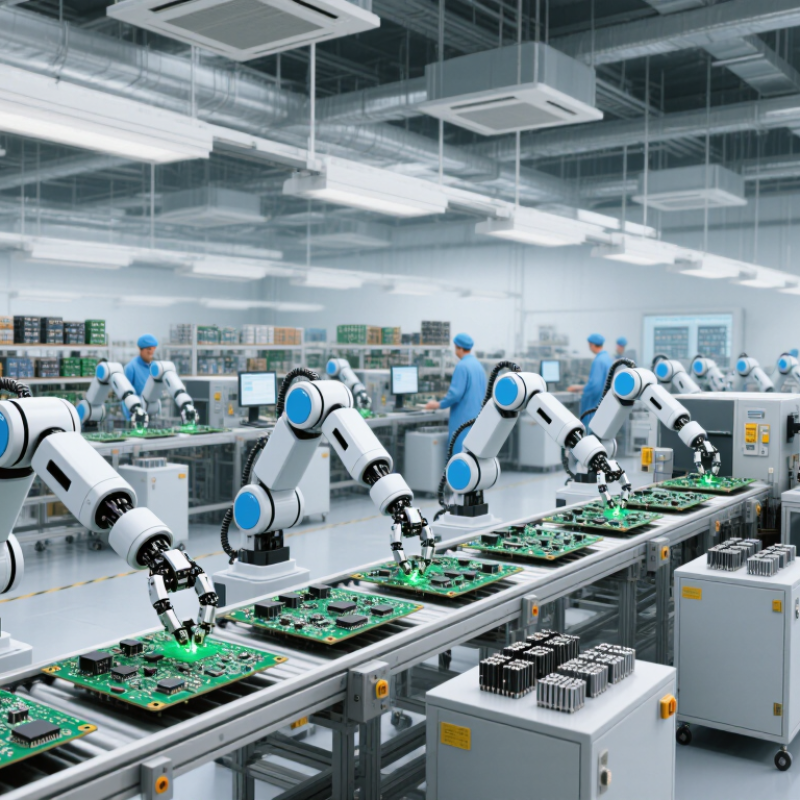
Chinese PCB assembly manufacturers offer more than component placement. Many operate automated surface-mount technology lines, where pick-and-place machines position tiny components before solder reflow. Through-hole assembly remains useful for connectors and parts that need stronger mechanical support. For dense designs, some suppliers can handle fine-pitch packages, controlled-impedance boards, and high-density interconnect structures. Capabilities vary by factory, so confirm them against your board files.
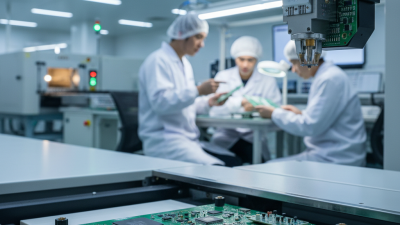
Inspection often combines automated optical inspection, X-ray checks for hidden solder joints, and electrical testing. Some providers also offer design-for-manufacturing reviews, component sourcing, prototype builds, and production traceability. These services can catch footprint or sourcing problems early. Still, a passing inspection report cannot prove every unit will perform well in its final product. Test criteria and sample coverage matter. Details are easy to overlook.
Tips: Send current Gerber files, a bill of materials, and assembly drawings. Ask about minimum component spacing, inspection methods, and test coverage. Request a sample build when the design is new. It may add time, but it can reveal awkward assembly steps before volume production.
How to Evaluate PCB Assembly Manufacturers in China
Best Electronics PCB Assembly Manufacturers in China
How to Evaluate PCB Assembly Manufacturers in China
Choosing a PCB assembly manufacturer in China starts with evidence, not a low unit quote. Compare engineering support, process controls, and capacity against your board’s complexity. A fine-pitch board with 0.4 mm components needs different inspection from a simple two-layer controller. The Global Electronics Association’s 2024 Annual Global PCB Production Report estimated 2023 global PCB production value at about $73.6 billion, down 15.6% year over year. That market shift makes capacity claims worth checking against recent utilization and delivery records. Ask for evidence.
Review quality systems and production records. Request first-article results, automated optical inspection and X-ray images, solder-paste inspection data, and functional-test coverage. Confirm that component traceability reaches lot codes, and ask how defective boards are contained and corrected. Check whether processes follow relevant IPC-A-610 and J-STD-001 requirements; certificates alone cannot prove daily execution. If possible, visit the production line and observe a changeover. It can reveal more than a polished presentation. Still, one visit cannot show every shift.
Tips: Give each candidate the same Gerber files, bill of materials, and volume assumptions. Request a pilot build, then compare defects, yield, lead-time variation, and response speed. Check the details. Ask for a written explanation of manual inspection steps or proposed component substitutions.
Notable Chinese PCB Assembly Manufacturers and Their Strengths
Chinese PCB assembly manufacturers vary widely in scale, process control, and engineering support. Some focus on quick-turn prototypes, while others handle repeat production with automated surface-mount lines. The right fit depends on board complexity, order volume, and how closely the supplier supports design changes.
Strong manufacturers typically review Gerber files, bill of materials, and component availability before quoting. They may flag tight clearances, awkward test points, or parts with long lead times. During production, useful controls include solder-paste inspection, automated optical inspection, and documented testing. Details matter. Clear records make it easier to trace a defect to a specific lot or process step.
Some Chinese suppliers are particularly capable with dense layouts and mixed-technology boards; others offer more flexible support for small batches. Ask for sample inspection reports, process capabilities, and realistic lead times—not just a low unit price. A polished audit report can still miss day-to-day inconsistency. Small errors travel. Confirm how the manufacturer handles substitutions, engineering questions, and corrective actions before committing to production.
How to Select a Manufacturer for Your Project
Best Electronics PCB Assembly Manufacturers in China
How to Select a Manufacturer for Your Project
Choosing a PCB assembly manufacturer starts with your board, not a sales brochure. Share the Gerber files, bill of materials, expected volume, and target delivery schedule. Ask whether the factory can handle your board thickness, component pitch, and required assembly type. A clear answer should include practical limits, not just “yes.” Details matter.
Review how the team checks your design before production. A useful engineering review may flag tight component spacing, unclear polarity marks, or footprints that complicate soldering. Ask for a sample inspection report and learn which checks suit your board. Automated optical inspection can catch visible solder defects; X-ray inspection may help with hidden joints. Not every project needs both.
Also check how components are sourced and tracked. Confirm how substitutions are approved, how lot numbers are recorded, and what happens when a part is delayed. For a new design, a small pilot run can reveal assembly issues before larger quantities are made. Compare quotations line by line, including tooling, testing, and packaging. Price alone can hide gaps. I have seen teams underestimate test-fixture time; it is easy to overlook, and worth discussing early. Request clear updates and a named technical contact before committing.